
Leipzig is a compact but very interesting city, where history, music and modern life are harmoniously combined. It is convenient to explore it in a short time, while leaving behind many vivid impressions. This guide contains everything you need for your 1-3-day trip: the most interesting places, museums, restaurants and useful tips.
Brief history
Leipzig is a city with a significant historical and cultural heritage. It has been known as an important center of trade and culture since the Middle Ages. In the 16th century, one of the first universities in Germany was opened here. Leipzig was also a key city during the revolutionary events of 1989, which led to the fall of the Berlin Wall. Today it is a city that combines history, music (in particular the legacy of Bach and Mendelssohn) and modern art.
Where to stay
Budget options:
Five Elements Hostel Leipzig — A popular hostel in the city center with private rooms and dormitories. A great option for youth travel.
Hostel Sleepy Lion — A budget option with clean rooms and a friendly atmosphere, located near the historic center.
MEININGER Hotel Leipzig Hauptbahnhof — Comfortable and modern hotel near the train station. An optimal choice for short stops.
Motel One Leipzig-Augustusplatz — Stylish and affordable hotel right on the central square. Modern design and excellent value for money.
Seaside Park Hotel Leipzig — A classic hotel near the train station, with comfortable rooms and a traditional restaurant.
NH Leipzig Zentrum — A modern hotel with spacious rooms, a great breakfast, and close proximity to major attractions.
Luxury hotels:
Hotel Fürstenhof Leipzig — An elegant five-star hotel in an 18th-century building, with spacious rooms, a spa area and an excellent restaurant.
Steigenberger Grandhotel Handelshof — A modern luxury hotel in the center, overlooking the central square. An ideal choice for those who value style and comfort.
Felix Suiten am Augustusplatz — A designer hotel with spacious apartments, centrally located, with a wonderful panoramic rooftop restaurant.
What to see
Leipzig Old Town
Leipzig’s Old Town is compact and easy to walk around. It is home to the main attractions worth visiting.
Market Square (Marktplatz Leipzig)
The central square of the Old Town, which has long been an important place for trade, meetings and festive events. It is surrounded by historic buildings, including the famous Town Hall (Altes Rathaus).
The square regularly hosts fairs, including Christmas markets, farmers’ markets and festivals. The Marktplatz is also an ideal starting point for a walking tour of Leipzig, as it provides access to many of the city’s attractions.

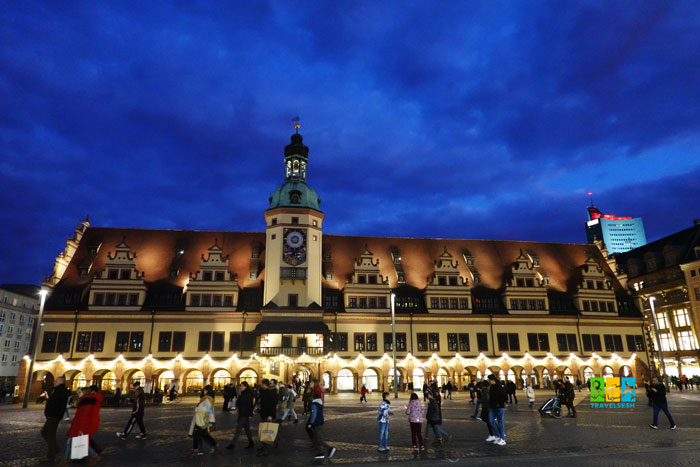
Leipzig Town Hall (Altes Rathaus)
One of the most prominent buildings in the Old Town. Built in the Renaissance style in 1556, it was the administrative center for a long time. Today it houses the City History Museum, where you can learn about Leipzig’s rich heritage – from the Middle Ages to the present day. Its asymmetrical facade tower, ancient clocks and courtyard are particularly eye-catching.
Interesting fact: The clock on the tower of the Old Town Hall is considered one of the oldest in the city and has been working since its installation.

Old Stock Exchange (Alte Börse)
The Old Stock Exchange of Leipzig is an elegant 17th-century Baroque building located on the Naschmarkt. This historic building was built between 1678 and 1687 as a meeting and trading place for local merchants. The facade of the building is decorated with rich decorative elements reflecting the style of the time.


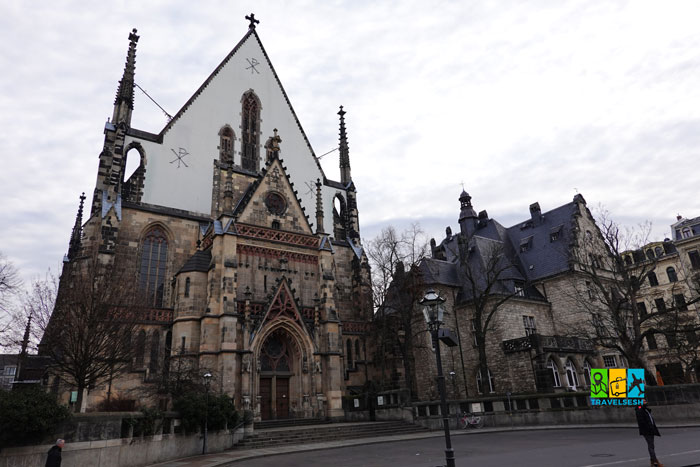
St. Thomas Church (Thomaskirche)
This Gothic church is one of Leipzig’s main landmarks, known for its rich musical history. Johann Sebastian Bach served here, and his remains rest under the altar.

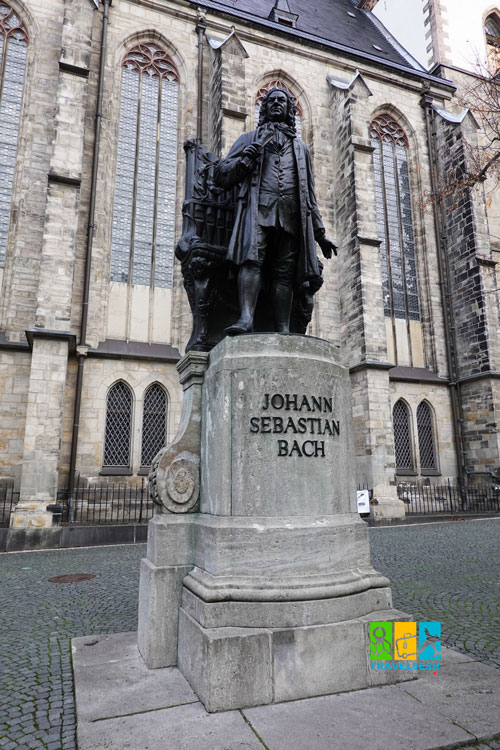
St. Nicholas Church (Nikolaikirche)
It is the oldest and one of the most famous churches in Leipzig. Founded in the 12th century, it combines elements of Romanesque, Gothic and Classicist styles. The church has important historical significance, as it was here in 1989 that the peaceful demonstrations that led to the fall of the Berlin Wall began. Its role in the peaceful revolution has made it a symbol of freedom and unification.
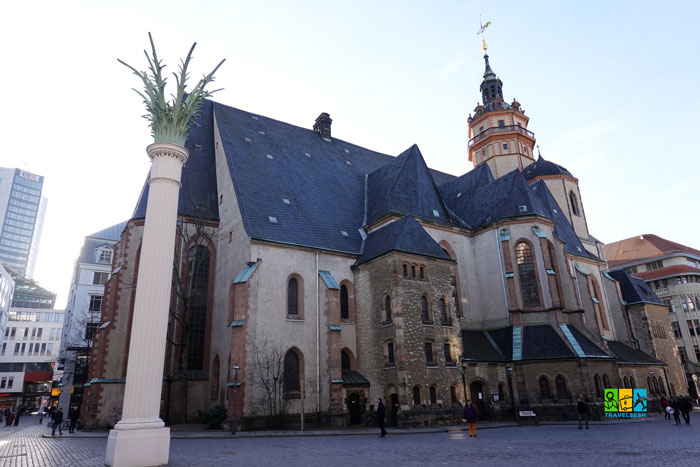
The interior impresses with its delicate pastel colors, which create an atmosphere of lightness. A special feature is the columns in the shape of palm trees, which add uniqueness to this space and contrast with the strict exterior of the building.

Hansa Haus
This historic building was built at the beginning of the 20th century, it became a symbol of the architectural development of that time and demonstrates elements of the Art Nouveau style. The building is decorated with exquisite facade details that are characteristic of Art Nouveau: geometric lines, sculptures and ornaments.
Here is a unique clock.

Clock in the Hansa House (Kunstuhr im Hansa-Haus)
This is a unique art clock located in the Hansa Haus building. It is a wonderful example of engineering and artistic craftsmanship. It is a popular stop for tourists.

Mädlerpassage
This is one of the most famous and beautiful historic shopping arcades in Leipzig, built between 1912 and 1914. Located in the heart of the city, it is an architectural masterpiece and a favorite place for shopping, strolling and dining.
The arcade is home to luxury shops, jewelry stores, souvenir shops, and cozy cafes where you can enjoy the atmosphere. For example, the legendary restaurant mentioned in Goethe’s Faust adds to the arcade’s literary fame. It is one of the oldest restaurants in Germany, operating since the 16th century.
Tip: Visit the arcade in the evening, when the lighting creates a special atmosphere. If you are interested in history, be sure to visit Auerbachs Keller to experience a piece of literary legend.

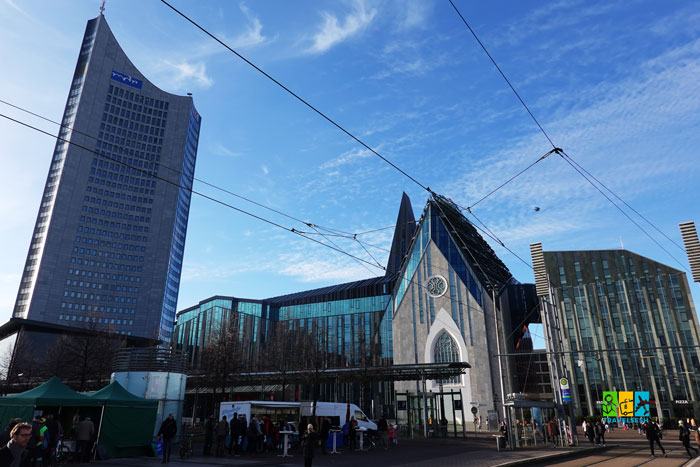
Leipzig University (Universität Leipzig)
One of the oldest and most prestigious universities in Germany, founded in 1409. It has a centuries-old history and is an important center of education, science and culture not only for Leipzig, but also for the whole of Europe. During its existence, the university has educated many prominent figures, including Goethe, Leibniz and Nietzsche.
The main building of the university on Augustusplatz combines historical spirit with modern design. Particularly impressive is the Paulinum – Aula und Universitätskirche St. Pauli, which combines the functions of the university hall and memorial chapel.

Opening hours: Mon–Thu: 10:45–18:30, Fri: 10:45–14:00, Sat: 11:00–14:00, Sun: closed.
Fun fact: Leipzig University is the second oldest continuously operating university in Germany after Heidelberg University.
City-Hochhaus Leipzig
This is the tallest skyscraper in Leipzig and one of the symbols of the city. Also known as the “Wisdom Tooth” due to its unique shape, it is an iconic architectural structure. Height: 142 meters, making it the tallest building in Leipzig. On the top floor there is a terrace with panoramic views of the city. This place is perfect for photos and admiring the beauty of Leipzig from above.
Gewandhaus(Gewandhaus zu Leipzig)
This is a world-famous concert hall and center of musical culture in Leipzig, which plays an important role in the world history of classical music. The first building of the Gewandhaus was built in 1781. The modern concert hall, the third, opened in 1981 and is considered one of the best in the world in terms of acoustics. The interior is decorated with artistic panels and frescoes.

Gewandhaus Orchestra: Founded in 1743, the orchestra is one of the oldest symphony orchestras in the world. Its conductors have included geniuses such as Felix Mendelssohn-Bartholdy and Kurt Masur. The large Schuquet organ is one of the centerpieces of the concert hall.
Interesting fact: The Gewandhaus logo is the oldest in the history of musical institutions, having been used since the 18th century.

Mende Fountain (Mendebrunnen)
One of the most famous fountains in the city, located in front of the Gewandhaus building. The fountain was built in 1886 on the initiative of the merchant’s widow Paulina Mende, who financed the project in memory of her husband. It is one of the few fountains in Germany that has been preserved in its original form after World War II. The Mendebrunnen is a great place for photos, especially in the evening, when the backlight adds to its charm.
Interesting fact: The Mendebrunnen was created by architect Adolf Gnaut and sculptor Jacob Unger, who sought to combine art and mythology symbolism in their work.

Leipzig Opera
One of the oldest opera houses in Germany and Europe, it plays an important role in the city’s musical life. It is a place where classical traditions are combined with modern productions, and the elegant interior creates a festive atmosphere. Founded in 1693, the Leipzig Opera is the third oldest opera house in Europe after Venice and Hamburg. The modern building was built in 1960 after damage during World War II.
Interesting fact: Composer Richard Wagner was born in Leipzig, and many of his works are held in special reverence here.

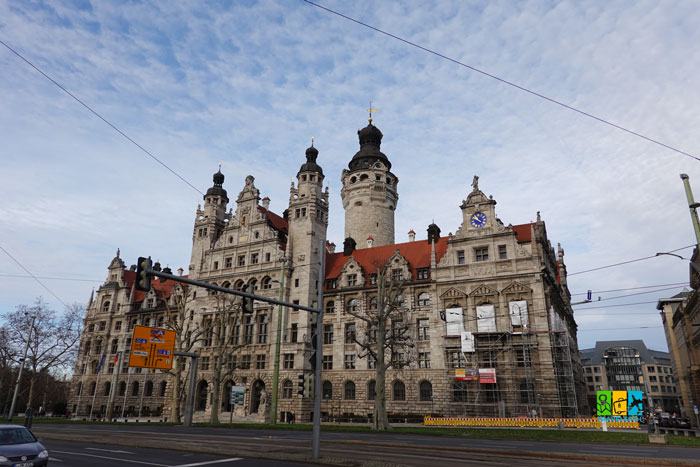
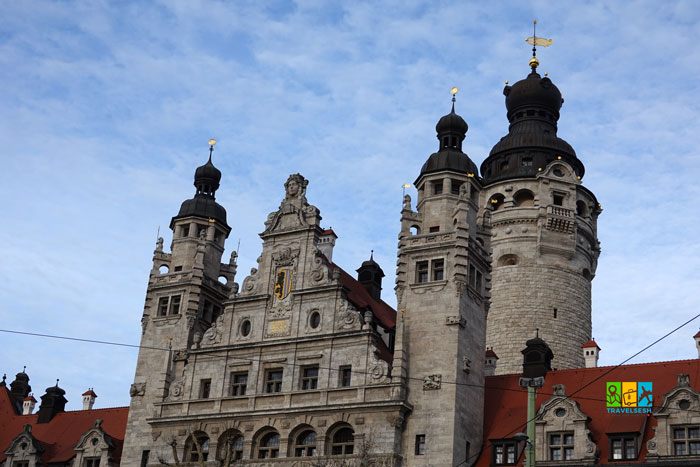
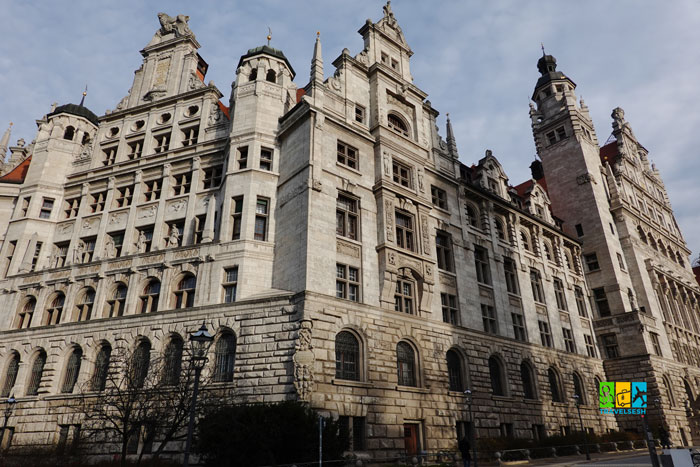
New Town Hall (Neues Rathaus) and Rathausturm
A monumental building in the historicist style, which has been the seat of the city council and the symbol of the city’s administrative center since 1905. It is one of the most famous buildings in Leipzig due to its architectural features and rich history. Built on the site of the former Pleissenburg Castle, the building now houses the city administration offices. Part of the town hall is open to visitors, including the opportunity to climb the tower for a view of the city. Guided tour of the New Town Hall without waiting in line.
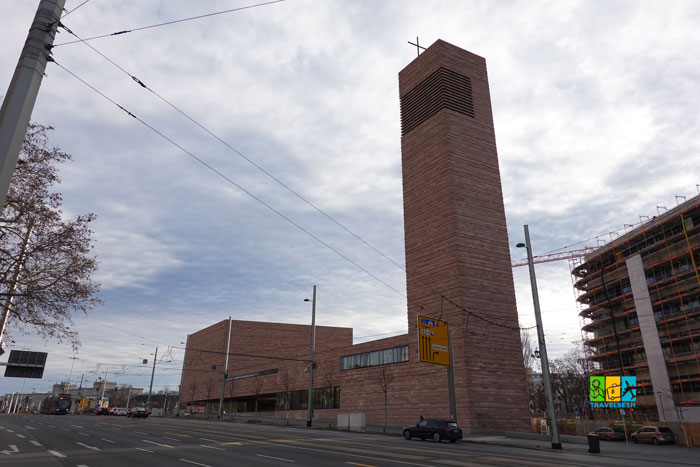
Church of the Holy Trinity (Propsteikirche St. Trinitatis)
This is a modern Catholic church that impresses with its minimalist design. The building was consecrated in 2015, becoming the first Catholic church built in the center of Leipzig in the last 500 years. Inside, the church is decorated with natural materials, in particular wood and stone. The main altar is decorated with minimalist sacred elements that contribute to the focus on spirituality. The high bell tower is one of the key elements of the church, which adds grandeur to the building and is a visible landmark in the city. The church is located next to the New Town Hall, which makes it easily accessible for tourists.
Federal Administrative Court of Germany (Bundesverwaltungsgericht)
Located in the magnificent building of the former Imperial Court (Reichsgericht) in Leipzig. This building is one of the most important architectural and historical monuments of the city. The building was built in 1888–1895 in the Neo-Renaissance style. Inside, impressive courtrooms with marble floors and decorative elements have been preserved. The building is a symbol of justice, and important cases from the times of the German Empire were decided here.
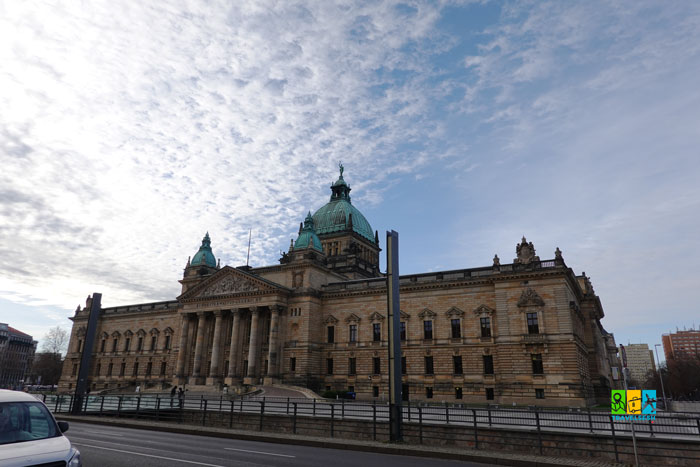
The building is now used for federal administrative affairs, covering citizens’ rights and interaction with the state.
However, parts of the building are usually open to the public: the dome hall, the main staircase and gallery, and the Imperial Court Museum. They can be visited independently during opening hours Monday through Friday from 8:00 a.m. to 4:00 p.m., closed Saturday and Sunday. Admission is free. No registration is required.

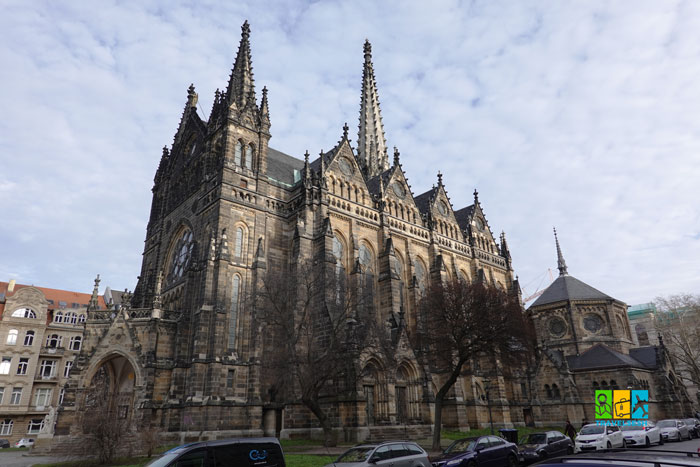
St. Peter’s Church (Peterskirche Leipzig)
One of the tallest churches in Leipzig, built in 1885 in the neo-Gothic style. The church tower is 87 meters high, making it the tallest sacral building in Leipzig. The facade is decorated with elegant arches, sculptures and stained glass. The church organ is one of the best in Leipzig and is used for concerts.
Interesting fact: The church was built as a symbol of the Protestant Revival and is one of the most famous neo-Gothic buildings in East Germany.
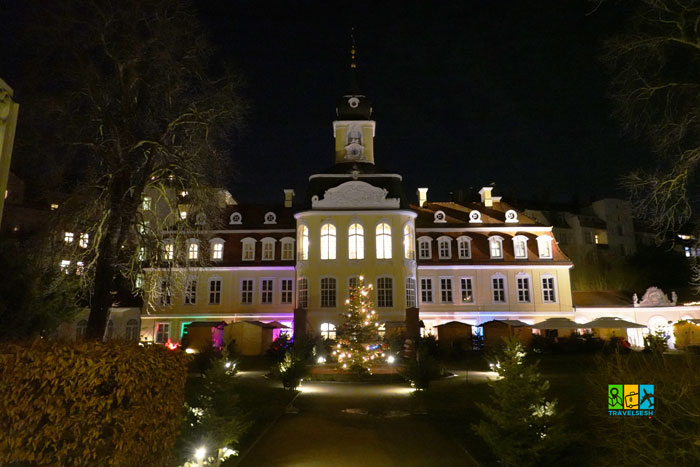
Gohliser Schlösschen
This is an exquisite baroque gem of Leipzig, located in the Gohliser district, which attracts attention with both its architectural style and its enchanting atmosphere. The palace was built in 1755–1756 as the summer residence of the wealthy merchant Johann Caspar Richter. The building served as a place of rest and entertainment for the nobility of the time.
The palace is now used for concerts, exhibitions, cultural events and private parties. The building also has a restaurant where you can taste regional cuisine.
Interesting fact: Gohliser Schlösschen is considered one of the most beautiful small palaces in Saxony and is a popular venue for weddings and romantic events.
The castle can only be visited as part of events and guided tours with prior registration. Guided tours are offered every Sunday at 11:00 AM. They also offer “music tours” on the first Sunday of every month at 2:00 PM.
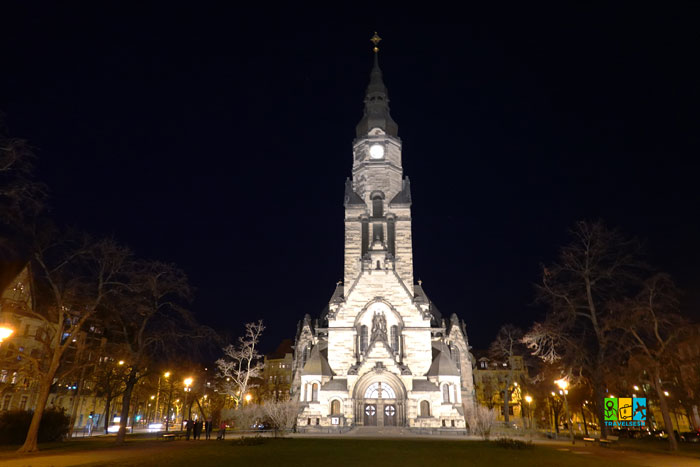
St. Michael’s Church, Leipzig
This is a historic Protestant church in the Gauheim district of Leipzig, known for its neo-Gothic architecture. The church was built in 1901–1904 according to the design of the famous architect Adolf Magnus. The 70-meter-high bell tower is one of the tallest in Leipzig. The stained glass windows depict scenes from the Bible and are dedicated to St. Michael.
Interesting fact: The church was built as a thank you to God for preserving the inhabitants of Leipzig after a difficult period of war and famine in the 19th century.
Monument to the Battle of the Nations (Völkerschlachtdenkmal)
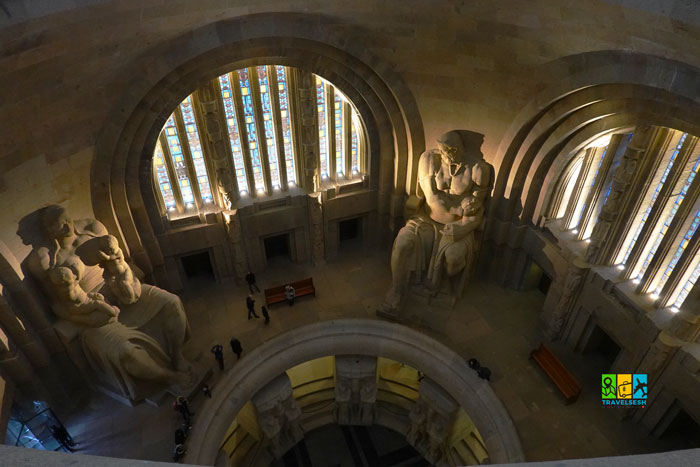
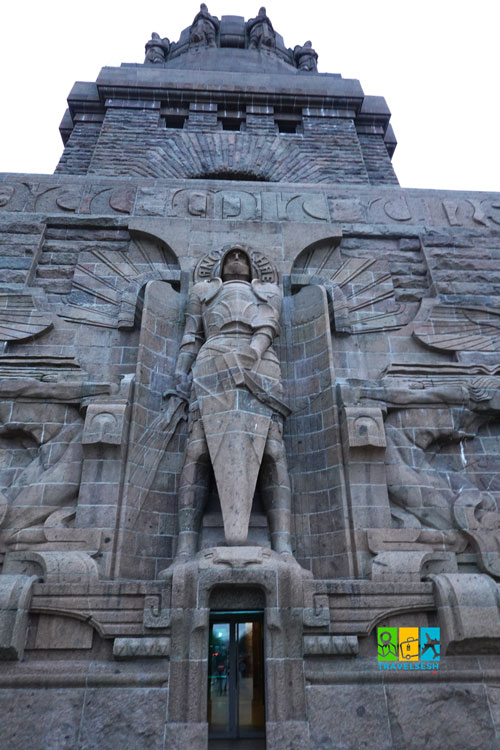
The Monument to the Battle of the Nations is a grandiose monument built in 1913 to commemorate the 100th anniversary of the Battle of Leipzig. This battle, also known as the Battle of the Nations, was one of the largest in Europe in the 19th century. It involved over 500,000 soldiers from the coalition forces (russia, Austria, Prussia, and Sweden) against Napoleon’s army. The victory in this battle changed the course of history, marking the beginning of the fall of the Napoleonic Empire.

The monument is impressive in its scale and style – massive sculptures, tall columns and details symbolizing freedom, courage and sacrifice. Inside there is a crypt with majestic sculptures of warriors, as well as a “Hall of Fame” with huge figures of angels. Visitors can climb to the observation platform, which is 91 meters high (via stairs or elevator) and enjoy a breathtaking view of Leipzig and its surroundings. On the lower level there is a museum dedicated to the history of the battle, its participants and the construction of the monument.
Opening hours: every day 10:00–18:00
Entrance fees: Adults: €10, concessions (pupils, students, pensioners): €8, children under 6 years: free
Interesting to know: The monument also became a symbol of the unity of the German states. The construction was financed exclusively by citizens and charitable contributions. Today it is one of the most famous tourist attractions in Leipzig.

Museums
Forum 1813 – Museum
Forum 1813 is a museum dedicated to the Battle of the Nations, which was a decisive moment in the fight against Napoleon in October 1813. It is located near the Monument to the Battle of the Nations and offers a deep dive into the historical context of this important battle. The museum displays artifacts related to the battle, including weapons, uniforms, maps and personal belongings of soldiers. Modern multimedia installations help visitors better understand the scale and significance of the battle. Part of the exhibition tells the story of the construction of the Monument to the Battle of the Nations and its role in the culture of Leipzig.
Opening hours: April – October: daily from 10:00 to 18:00, November – March: daily from 10:00 to 16:00.
Entrance fees: Adults: €10, Concessions: €8, Free admission: for children under 18.
To reach the Völkerschlachtdenkmal, you can use the following transport options: Tram: Tram 2, 15, line S (S-Bahn) to Völkerschlachtdenkmal station. Train (S-Bahn): S1, S4, line S to Völkerschlachtdenkmal station.
Bach Museum (Bach-Museum Leipzig)
The Bach Museum is located in the Bosehaus next to the St. Thomas Church, where Johann Sebastian Bach worked for over 27 years. This museum is a real treasure trove for music lovers.
The exhibition includes unique manuscripts, Baroque musical instruments and the composer’s personal belongings. Modern interactive elements, audio guides and theme rooms allow you to delve deeper into the world of Bach’s musical heritage.
In addition to the exhibition halls, the museum has a concert hall, where the composer’s works are regularly performed. This is an ideal place for fans of classical music and history.
Opening hours: Tuesday–Sunday and public holidays: 10:00–18:00.
Entrance tickets: Adults: €10, Concession categories: €8, Children under 16: free.

Mendelssohn-Haus
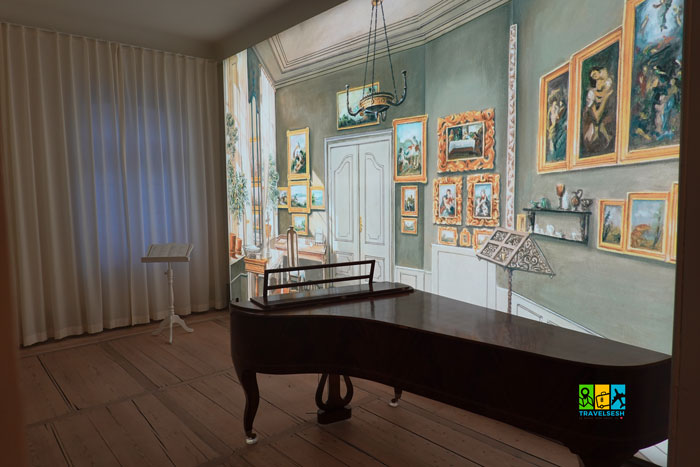
This is a museum dedicated to the life and work of the great composer Felix Mendelssohn-Bartholdy. It is located in the building where the composer lived and worked in Leipzig until his death in 1847. The house was built in the 19th century and is the only surviving residence of Mendelssohn in the world.
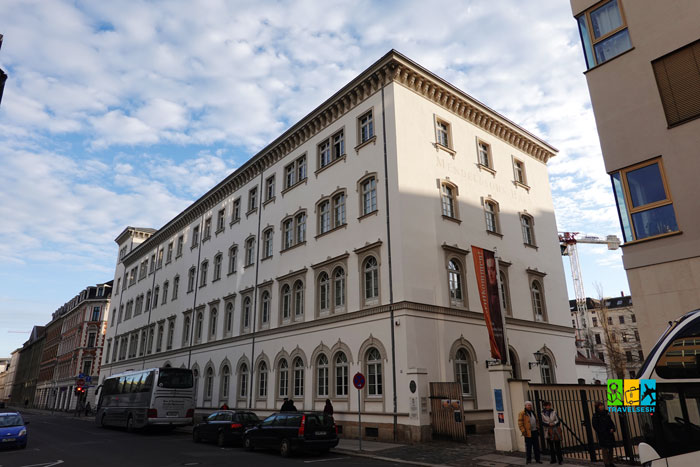
We recommend the museum for a mandatory visit. Exhibition: Personal belongings, manuscripts, sheet music, letters and portraits of Mendelssohn. The composer’s study is recreated, where he wrote his most famous works. A special section is dedicated to his sister, Fanny Mendelssohn, who was also a talented composer.
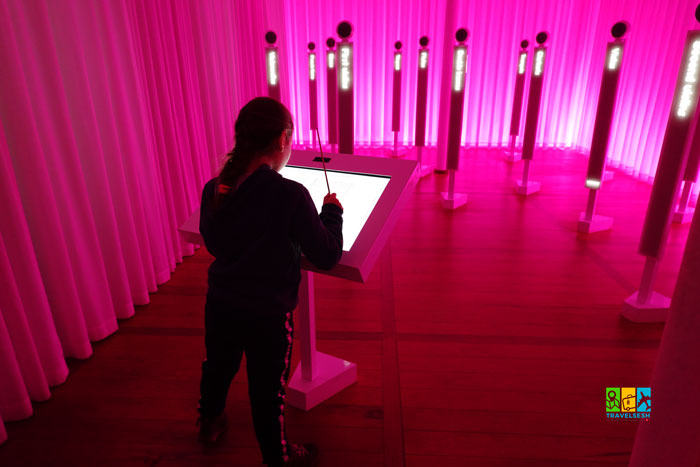
The museum has an interactive exhibition where visitors can hear Mendelssohn’s works. Every Sunday, the museum hosts chamber music concerts.
Saxon Pharmacy Museum (Sächsisches Apothekenmuseum Leipzig)
This unique museum is located in an old basement that was part of Leipzig’s historic pharmacy. The exhibition covers over 300 years of pharmaceutical history and shows how medicines were made in different eras. The museum also offers interactive demonstrations: visitors can see how pills and tinctures were made in the past. This place will appeal to both adults and children who are interested in science and history.
Opening hours: Monday: Closed, Tuesday, Wednesday: 11:00–17:00, Thursday: 14:00–20:00, Friday–Sunday: 11:00–17:00.
Entrance tickets: Adults: €5, Concession categories (pupils, students, people with severe disabilities, Leipzig Card holders): €2.50, Children under 6 years: free

GRASSI Museum
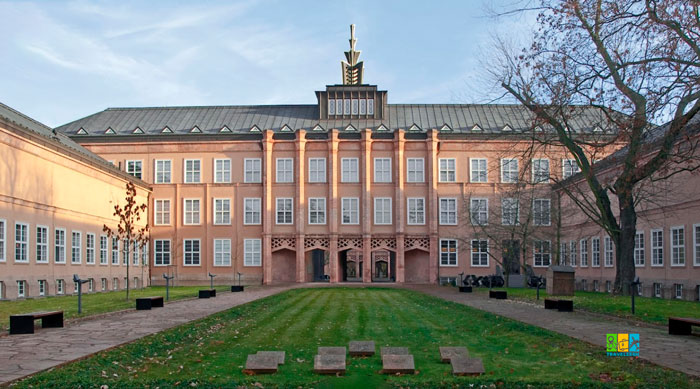
This is a unique museum complex in Leipzig, consisting of three museums under one roof, including the Museum of Ethnology and the Museum of Musical Instruments of the University of Leipzig. The museum is located in a modernist building from the 1920s, which is itself an architectural masterpiece.
Interesting fact: The Grassi Museum is part of Leipzig’s tradition as a city of music and culture, closely associated with the names of Bach, Mendelssohn and Wagner.
Museum of Ethnology (GRASSI Museum für Völkerkunde)
One of the largest ethnological collections in Germany. Around 200,000 exhibits covering the cultures of Asia, Africa, Oceania and the Americas. The main exhibition showcases everyday life, traditions, art and ritual objects of different peoples of the world. Interesting objects: Ancient masks, traditional clothing, jewelry and ritual objects. Particular attention is drawn to the exhibitions dedicated to the indigenous peoples of Oceania and Africa.
Museum of Musical Instruments (Musikinstrumentenmuseum der Universität Leipzig):
Belongs to the University of Leipzig and is one of the most famous collections of musical instruments in the world. Over 10,000 exhibits covering 5 centuries of musical history are presented. The museum has special sections where you can hear the sound of instruments, thanks to interactive multimedia stations. Interesting exhibits: Rare harpsichords, violins, flutes, organs and other historical instruments. Mechanical musical instruments and ancient sheet music manuscripts.

Schiller’s House “Götterfunken”
This historic house is a unique place, and is the oldest literary monument in the city, where Friedrich Schiller worked on his famous drama Fiesco’s Plot in Genoa and part of the tragedy Don Carlos.
A small house in the style of a country estate with authentic 18th century furniture and interiors. Schiller’s House is often called “Götterfunken” (Divine Fire) because of the inspiration that the playwright received while staying here. In 1785, the poet spent several months here, enjoying the hospitality of a local farmer.
Opening hours: March: Tuesday – Sunday, public holidays: 10:00 – 16:00. April – October: Tuesday – Sunday, public holidays: 10:00 – 17:00. November – February: Closed (access is possible for groups by appointment).
From March 1, 2024, admission to the permanent exhibition is free.

Gleis 24 – Historic Locomotives
The Gleis 24 railway museum is located right in the Leipzig main station building (Leipzig Hauptbahnhof), making it convenient for visitors. The museum offers an exhibition of historic locomotives and railway equipment that illustrate the development of transport.
Entertainment for children
Zoo Leipzig
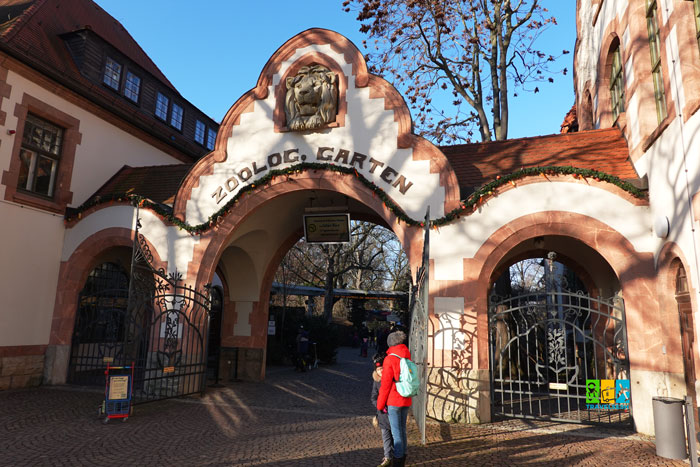
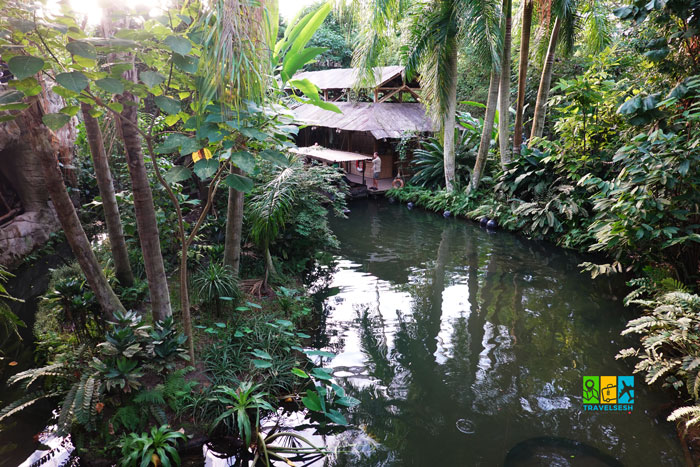
This is one of the best and oldest zoos in Europe, offering unique experiences for visitors of all ages. Its territory is divided into thematic zones that reflect the various ecosystems of the world.

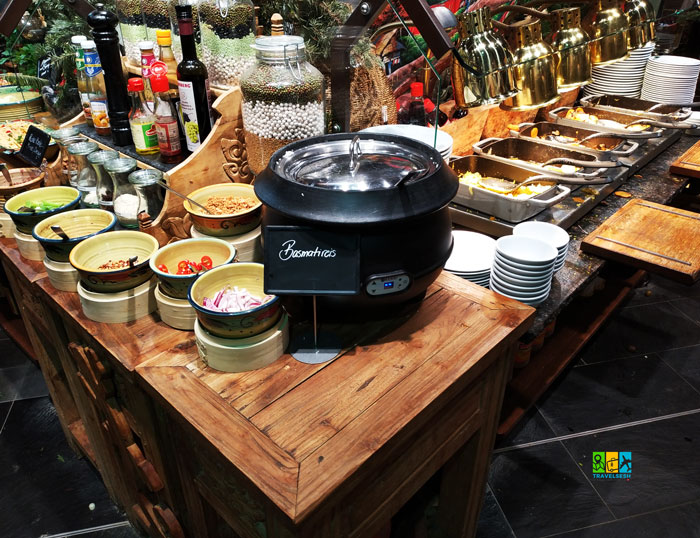
Opening hours: Winter (January 1 – March 20): 9:00 – 17:00, Spring (March 21 – April 30): 9:00 – 18:00, Summer (May 1 – September 30): 9:00 – 19:00, Autumn (October 1 – October 31): 9:00 – 18:00, Winter (November 1 – December 31): 9:00 – 17:00.
Special days:Halloween (1–3 November): 9:00 AM – 6:00 PM, Christmas Eve (24 December): 9:00 AM – 3:00 PM, New Year’s Eve (31 December): 9:00 AM – 3:00 PM.
Ticket prices:Adults: Summer (21.03–31.10): €24, Winter (01.11–20.03): €19. Children (6–16 years): Free for children under 6 years, Summer: €16, Winter: €12. Family ticket: For 2 adults and up to 4 children (6–16 years); each additional child receives a 50% discount on the daily child ticket Summer: €62, Winter: €48. It is important to know that tickets are cheaper 3 hours before closing, but we would recommend visiting the zoo in the morning.
Tickets can be purchased at the box office, or online on the zoo website. The online ticket on the zoo website includes travel on local transport (LVB zone 110 for Leipzig). We also found where you can buy Online tickets are cheaper, but without Gorilla Trek (entrance can be purchased on site).

Kidzunivers (Kindermuseum)
The interactive museum, specially designed for children aged 6 to 10, invites little ones to explore the world through interesting experiments and games. In the adventure exhibition “Children Make the Fair”, they can learn about Leipzig’s colorful history and its important role as a trade fair city.
Opening hours: Tuesday–Sunday and public holidays: 10:00–18:00.
Cost: Admission to the permanent exhibition is free. Fees may apply for special exhibitions and games.
Sachsen-Therme Thermal Complex
The Sachsen-Therme is a popular thermal complex in Leipzig, which offers the ideal place for relaxation, family holidays and health improvement. It is located in the Schönefeld district, in the eastern part of the city. The complex features thermal pools with warm water and massage jets, a large sauna area with Finnish, steam and bio saunas, a wave pool and water slides for children. There is also a spa area offering massages and body treatments.
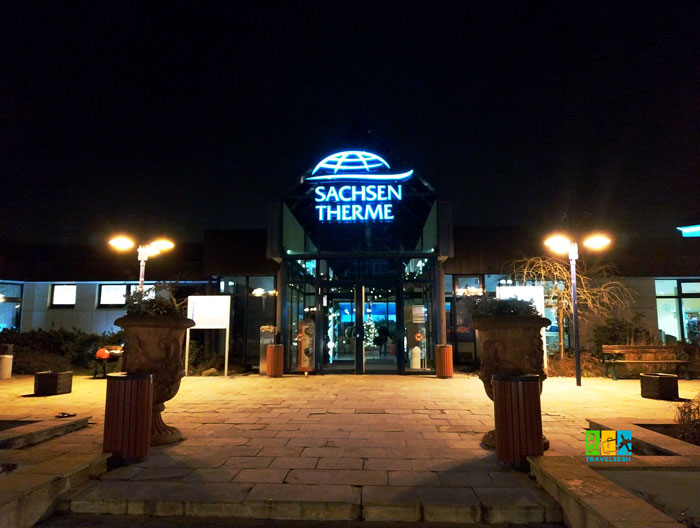
Opening hours: Monday – Friday 10:00 – 22:00, Saturday – Sunday and public holidays 09:00 – 22:00. Admission costs from €18 to 29 for adults depending on the length of stay (2 hours, 4 hours or the whole day), discounts apply for children and family tickets.
How to get to Sachsen-Therme from the center of Leipzig: By public transport 25-30 minutes: Tram number 7: take the direction Sommerfeld, get off at the Paunsdorf Center stop, then walk about 5-7 minutes. Bus number 90 or number 72/73: from the Paunsdorf Center stop, buses will take you closer to the complex. Tip: Buy a combination ticket that includes public transport (LVB zone 110). By car: Take the B6 towards Paunsdorf Center, where there is a visitor parking lot next to the thermal baths.

Belantis – an amusement park near Leipzig
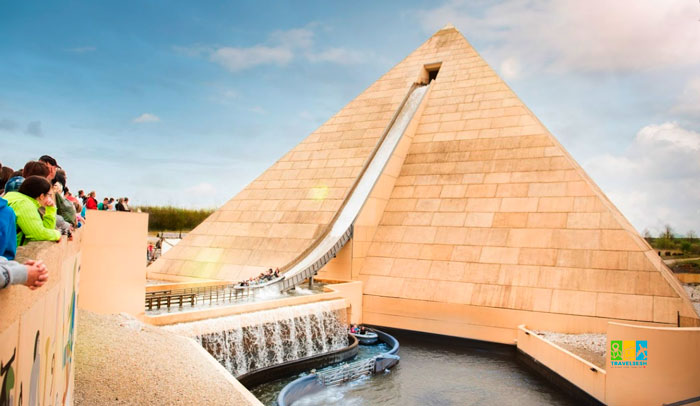
Belantis is the largest amusement park in eastern Germany, located just 20 km from Leipzig. The park is divided into 8 theme areas, such as “Adventure Castle”, “Pirate Bay” and “Aztec Land”. There is entertainment for the whole family: roller coasters, water attractions, carousels and interactive shows.
Getting there: By bus: A special bus runs from Leipzig (Hauptbahnhof) to Belantis. The journey takes about 30 minutes. By car: The park is located next to the A38 motorway (Leipzig-Südwest exit). There is a large car park on site (fees around €3 per day).
Ticket prices: Adults: from €35. Children (up to 11 years): from €30. Unlimited daily pass: from €45. Children under 1 meter tall – free. Admission ticket to BELANTIS theme park
Popular restaurants and cafes
Auerbachs Keller is one of the oldest restaurants in Germany, a legendary restaurant mentioned in Goethe’s “Faust”. It offers traditional German cuisine. Prices: Main courses – from €20, desserts – from €8.
At Auerbachs Keller, it is worth trying several signature dishes that reflect the traditions of Leipzig and German cuisine: Leipziger Schnitzel (Leipziger Allerlei), Pork Schnitzel with Potatoes, Traditional Goose Liver (Gänsebraten), Stülze, Apollinaris Dessert.
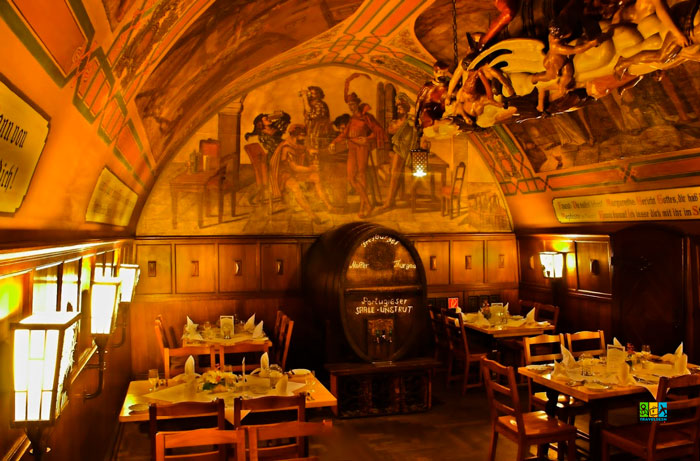
Mephisto Bar – A stylish establishment in the Medler Passage, known for its cocktails and light snacks. Prices: Cocktails – from €10, snacks – from €12. It is worth trying the “Mephisto” cocktail – the bar’s signature cocktail, which has become a symbol of the establishment. Leipzig mulled wine – a special recipe for winter mulled wine with local spices.
Thüringer Hof – one of the oldest restaurants in Leipzig, founded in the 15th century. The establishment has a rich history, closely connected with the traditions of regional cuisine and local culture. The cozy atmosphere of an old German restaurant with wooden furniture and a classic interior reigns here. Prices: Main courses – from €20. Worth trying: Leipziger Stülze, forest mushroom soup, Thuringian sausages (Thüringer Bratwurst) – a specialty of the region. The restaurant offers a wide selection of German beers and regional wines, which perfectly complement the dishes.

Local dishes worth trying:
Leipziger Allerlei is a dish of minced meat stewed with vegetables. Served with sauerkraut and potatoes.
Leipziger Lerche is a sweet pastry that has become a symbol of the city. Its history began in 1876, when the hunting of larks was banned, and bakers created this pastry as a tasty substitute. The marzipan and almond pastry is part of Leipzig’s culinary heritage. You can try a real lark in local cafes and during holiday fairs.

Gose (Gose) – a unique beer style with a sour taste, today Gose is mainly associated with Leipzig. Its special feature is the addition of salt and coriander.
Unique tours in Leipzig
13-Stop Hop-On Hop-Off Bus Tour Take a hop-on hop-off sightseeing tour of Leipzig, with 13 stops to choose from. The route covers the city’s top attractions, including St. Thomas Church, Augustusplatz, New Town Hall and Leipzig Zoo. It’s a convenient way to explore the city in comfort while listening to an audio guide. There’s also the option of a tour with a zoo ticket.
Hop-On Hop-Off with Walking Tour,This tour combines a city bus tour with a guided walking tour through Leipzig’s historic center. You’ll hear fascinating stories about key landmarks such as St. Nicholas Church, Medler Passage, and the Old Stock Exchange.
Tip: Both formats allow you to plan your own route and the duration of your stops. The ticket is usually valid for a day and costs around €18–25, depending on the tour you choose.
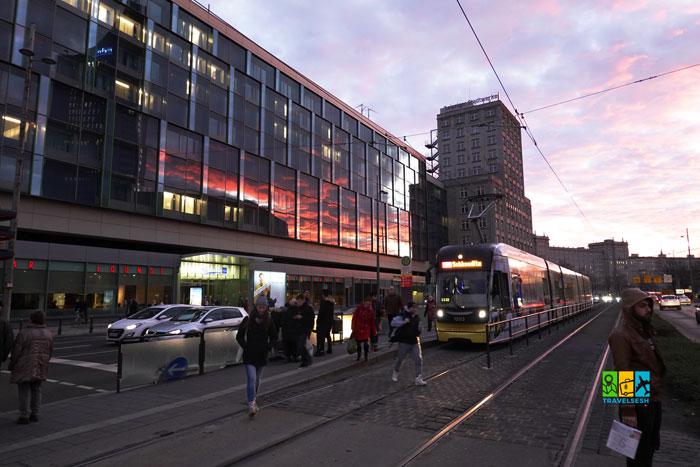
Leipzig Spirits Production: Tour and Tasting. This tour will reveal the secrets of the award-winning spirits. What to expect: A refreshing glass of Kir Royale based on currant liqueur. The history of the former Kammgarnspinnerei textile factory. An exclusive look at the spirits production process right next to the distillery. Tasting of three spirits of your choice. A professional tasting glass as a gift. All drinks are available for purchase on site. Tip: The tour is worth booking in advance due to its high popularity.

Leipzig Hauptbahnhof
Leipzig Hauptbahnhof is not only the largest train station in Germany, but also one of the city’s main attractions. This grand structure combines a transport hub, a shopping mall and a cultural space.

What to see:The architecture of the station: an impressive facade and a rich interior with numerous historical details. Gleis 24 – historical locomotives: a part of the station dedicated to railway history, we wrote about it above.
Promenaden Hauptbahnhof: a three-story shopping center with shops, cafes and recreation areas. Shopping mall opening hours: Monday – Saturday: 9:30 AM – 9:00 PM. Sunday: Most shops are closed, only food outlets and a few selected facilities are open. This is not just a train station, but a real shopping mall.
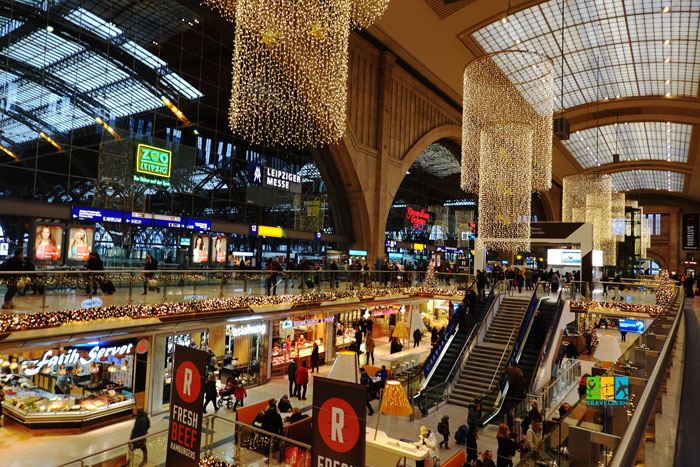
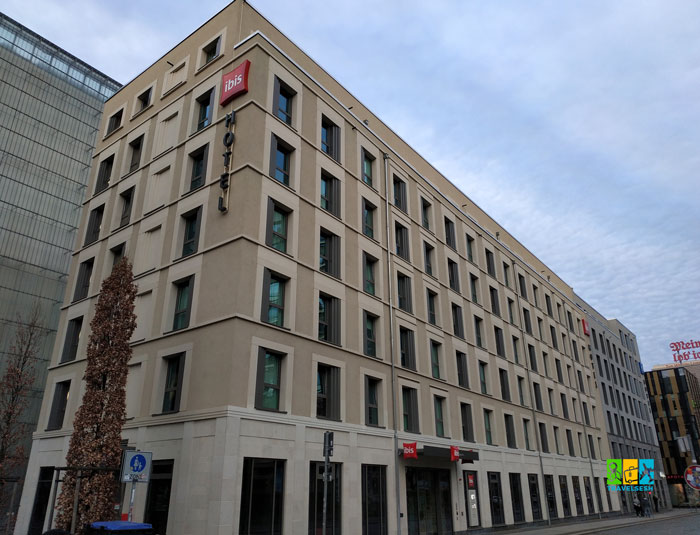
Tourist tip: If you arrive at Leipzig Hauptbahnhof bus station and have booked the Ibis Budget Leipzig City, do not rush to take a taxi or use public transport. The hotel is located just 500 meters away, so you can walk to it in just 7-10 minutes. It is convenient, fast and allows you to save money on transport.
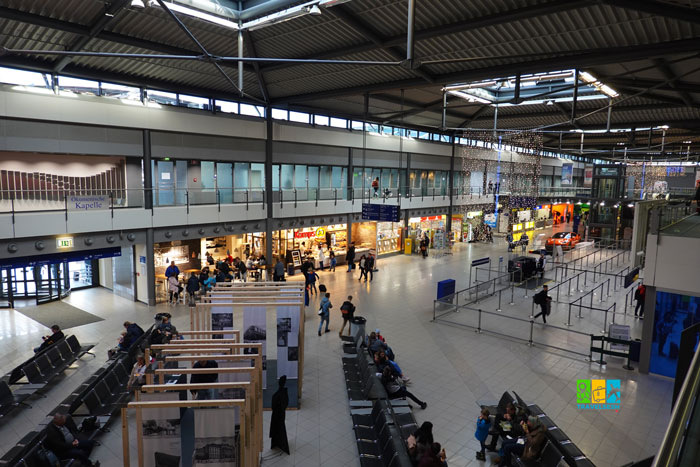
How to get from the airport to the main station
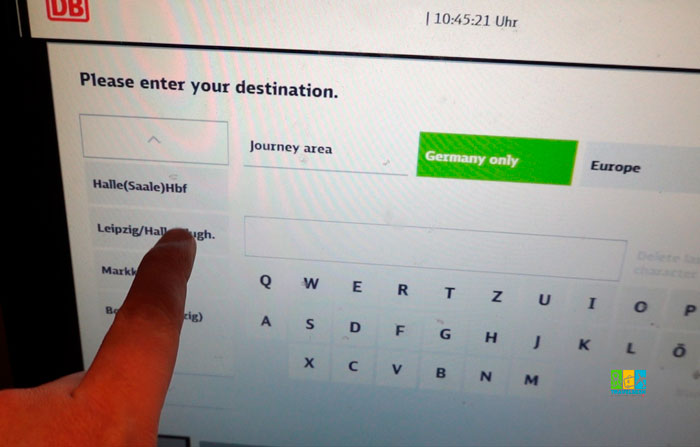
Leipzig Airport is easy to reach from the main station by public transport. The most convenient option is the S-Bahn trains, which run between the airport and the city centre. The S5 and S5X lines have their terminus in Zwickau or Altenburg, pass through Leipzig Hbf and the city centre (Leipzig Markt station). The journey time is around 16 minutes, and the trains run every 26–34 minutes. The ticket costs €5.40 (valid for 3 zones). Tickets can be purchased from ticket machines at the stations (cash or card payment) or via the mobile app Moovme.
To get from the Airport to the trains, you need to go through a long corridor and enter the ZD track, where you can buy tickets from a machine on the platform.
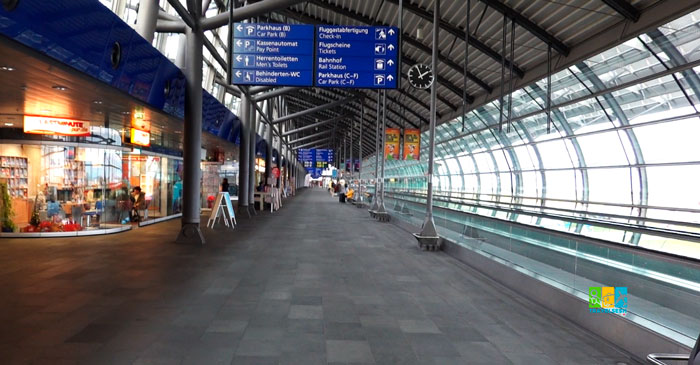
Transportation in the city
Leipzig has a good public transport network, including trams, buses and S-Bahn. Single ticket (Einzelfahrt): Entitles you to one journey with the possibility of transfers within a certain time (usually 1 hour). The cost for one zone is around €3.
Day ticket (Tageskarte): Entitles you to unlimited journeys within 24 hours. The cost is around €8-9.

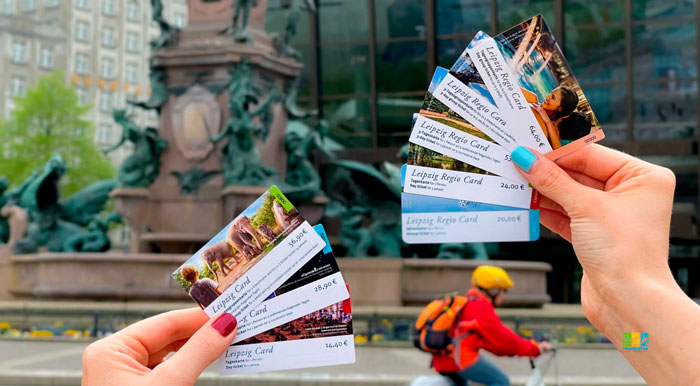
LEIPZIG CARD
The LEIPZIG CARD is a tourist card that allows you to explore Leipzig conveniently and affordably. It gives you access to public transport, great discounts on excursions, museums, festivals, concerts, restaurants and other activities in the city.
The card is available in 1-day or 3-day formats, for both individual tourists and groups. It is the ideal solution for those who want to save time and money while enjoying everything Leipzig has to offer.
Key benefits:
Free travel: Unlimited travel on all public transport (trams, buses, S-Bahn, regional trains) in zone 110 (city of Leipzig).
Discounts of up to 50%: On museum admission, walking and cycling tours, boat trips, as well as tickets for performances, concerts and festivals.
Discounts in restaurants and shops: Valid in many establishments throughout the city.
Types and validity periods: There are different options depending on the number of days and the number of people. Check out all the options and buy the LEIPZIG CARD: Offline: Leipzig Tourist Information. Mobility Center and LVB Service Center (Wilhelm-Leuschner-Platz). Online: Official website.
Rules of use:Activation: The card is valid after signing, dating and confirming (stamping) the first time it is used in transport. Transport: Unlimited travel on all public transport in zone 110 (city of Leipzig). Restaurants: Show the card when ordering to receive discounts.
LeipzigMOVE Mobile App
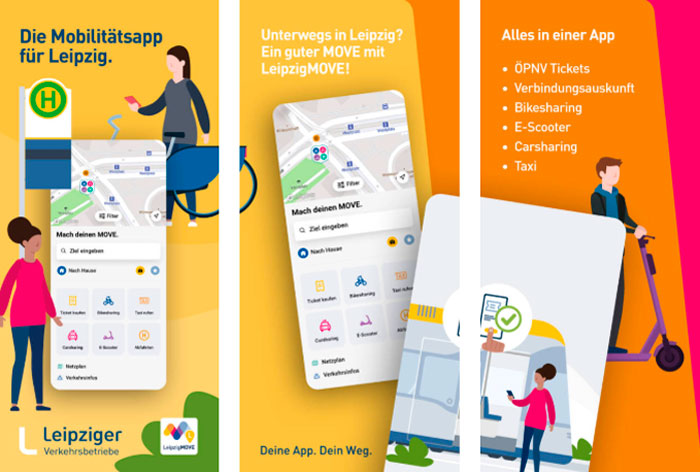
LeipzigMOVE is a convenient mobile app for planning and booking trips in Leipzig, providing quick access to all available transport options. With this app, you can easily get anywhere in the city, whether by bus, train, Flexa, car, e-scooter, taxi or bike. Download: Google Play, App Store
Parking
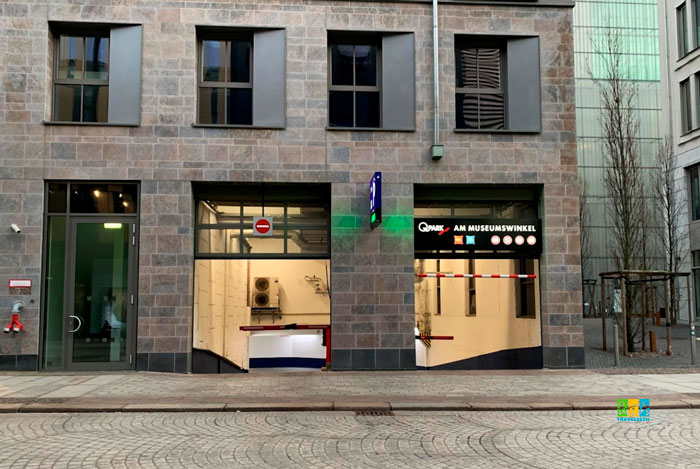
Leipzig has convenient underground and surface parking:
Central parking near the main train station (Hauptbahnhof) – ideal for visitors to the city center.
Parking at Augustusplatz – located close to the main attractions.
Prices: around €1-2/hour or €10-15 per day. Some hotels offer own parking spaces, which is convenient for tourists with cars.
In addition to the rich history and culture of Leipzig itself, unique places await you in its surroundings, including the modern BMW factory.
BMW Leipzig Plant and Museum
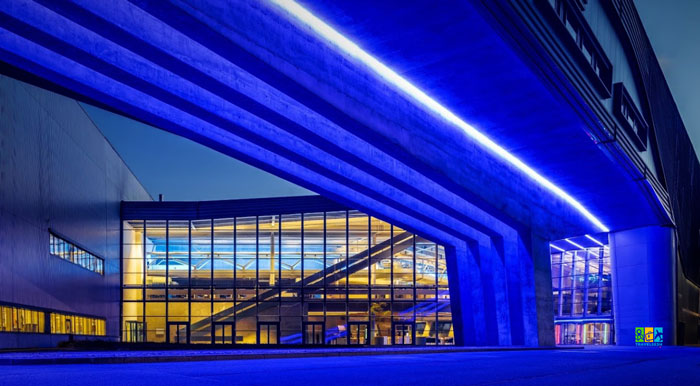
The BMW Leipzig plant is one of the most modern automotive production complexes in the world. The plant opened in 2005 and has become a symbol of innovative technology, sustainable production and functional design. The uniqueness of the plant lies in its environmental friendliness. Renewable energy sources are used here, in particular wind turbines, which provide the plant with electricity. Tours for visitors allow you to see this technological process from the inside: how car bodies are created, how parts are assembled, and even how finished models are tested.
Factory tours: Duration: approximately 2 hours. The route covers the main workshops: pressing, welding, painting and assembly. Cost: around 10–15 euros depending on the format. It is recommended to reserve seats in advance via the official BMW Leipzig website.
How to get to the BMW plant from Leipzig city center:
By public transport: Take the S-Bahn (line S2) to Leipzig Messe station. From there, change to bus number 86 in the direction of BMW Werk and get off at the BMW Werk stop. Travel time: approximately 25–30 minutes.
By car: From Leipzig city center, head north, following the signs for the A14 motorway. Take the Leipzig-Nord exit and follow the signs for the BMW plant. Travel time: approximately 20 minutes. There is a parking lot for visitors on site.

Conclusion and advice
Leipzig is a city that can enchant every traveler with its history, architecture, cultural heritage and modern charm. It is perfect for a short stopover for a day or for a longer stay, when you can immerse yourself deeper in its unique atmosphere. Thanks to the convenient transport system, Leipzig is easy to explore, and even in a short time you can visit the main attractions such as the Old Market, St. Thomas Church or the famous Mädler Passage.
If you have more time, be sure to include the city’s museums, such as the Grassi Museum or the Museum of Fine Arts, in your itinerary. They offer unique collections that will tell you about the city’s diverse history and culture. Nature lovers should head to Leipzig Zoo or visit the Auenwald Park for a walk and relaxation. Don’t forget to enjoy the local cuisine in one of the traditional restaurants or cafés, where you can taste Saxon dishes and experience the hospitality of the locals.
To make your trip as comfortable as possible, it is recommended to plan your itinerary in advance. This is especially important during peak tourist season, when popular destinations can be crowded and booking accommodation and tickets can be a challenge. For families or group travel, consider special offers such as group transport tickets or family passes to major attractions.
Leipzig is also famous for its events and festivals that take place throughout the year. If you are traveling during these events, it is worth finding out about the program in advance to make the most of your time. It is also recommended to take advantage of tourist cards such as the Leipzig Card, which provide discounts on public transport, museum admission and many other benefits.
It is important to remember that Leipzig is a city with a rich history and modern dynamism, where tradition and innovation combine. Regardless of the duration of your trip, this city will leave you with vivid impressions, inspire you and give you unforgettable moments.
There are no comments for this post. Comment or ask questions first