
The origin of the name of the city has not been definitively established, but many traditions have been collected, but all of them are rather superficial and inaccurate.
1. The name of the city is associated with the Hungarian word “munko”, which means “work”.

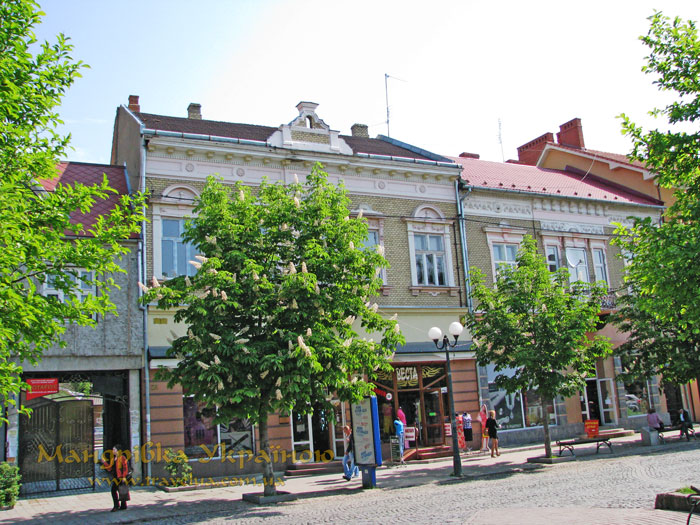


2. The name Mukachevo comes from the Slavic word “muka”. According to legend, in ancient times, a cruel and wayward prince settled in this area with his army and ordered the local residents to build a castle for him. Since there was a plain all around, the prince ordered people to build a high mountain so that the castle would be impenetrable from all sides. For a thousand days and nights, a thousand carts with six oxen each carried the earth, and in the end a mountain grew, on which the castle was built. To local residents who carried dirt and stones, worked without rest under the supervision of brutal guards, this hellish construction brought tears, suffering and death. From that time, the place where the people were subjected to inhuman torture began to be called Mukachevo, the castle – Mukachevo, and the mountain – Zamkova.
Booking.com
3. According to tradition, it is near Palanok Castle there was a water mill on the Latoritsa River where grain was ground. It was here that the people of Verkhovyna usually sold cheese, butter, game, meat, honey and bought flour from farmers from the lower villages, so the name of the town is also associated with the word “muku” (flour).
4. Mukachevo – “the city of Mukach”, since the first part of the word Mukach is a man’s name, and the second – evo, -iv, -eve is a sign of possessiveness, although documentary confirmation of this version has not yet been found.

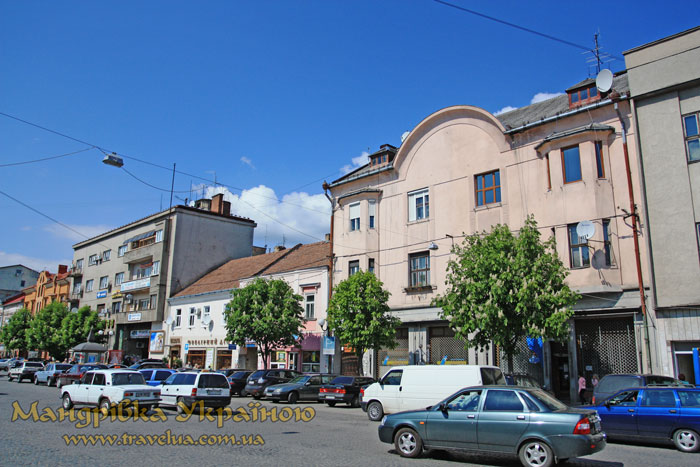
Several variants of the name of the city are used in Ukrainian: Mukachevo, Mukacheve, Mukachevo and Mukachiv, in Hungarian – Munkacs [munkaach], in Slovak and Czech – Mukacevo [mukachevo] , in Polish – Mukaczewo [mukachevo], in German – Munkatsch [munkach], in Yiddish – [minkach, munkach], in Romanian – Munceag, Muncaci, Muncaciu.
Familiar strangers: The origin of the names of Ukrainian settlements/A.P. Koval- K.: Lybid, 2001.- p.242
Where to stay
When you zoom out of the map, you can see more offers. Hover over the price rectangle to see information about the property, or click to go to booking.
Booking.com
There are no comments for this post. Comment or ask questions first