
Riga is the capital of Latvia, which fascinates tourists. A trip to Riga will give you unforgettable impressions of the old city, attractions and a unique atmosphere, the narrow streets of the Old Town, the majestic Art Nouveau architecture, atmospheric restaurants and markets. Even if you only have a day or two, the capital of Latvia is capable of giving unforgettable impressions. In this guide – the best places, tips for travelers and all the important details for a comfortable trip.
Brief history
Riga is the capital of Latvia, founded in 1201 as an important port and trading center on the Baltic Sea. Its historic center, listed as a UNESCO World Heritage Site, is known for its medieval architecture, unique Art Nouveau style and rich cultural heritage.
Accommodation
Riga offers a variety of accommodation options to suit tourists with different budgets and requirements.
Budget
For those traveling on a budget, Riga offers several affordable accommodation options Amber Private Rooms – These are simple private rooms in the city center with all the necessary amenities. The convenient location allows you to quickly reach the main tourist attractions, while the prices remain affordable. Another good option is Naughty Squirrel Backpackers Hostel, which is located in the very center of Riga. It is a popular place among travelers due to its affordable prices, friendly atmosphere and proximity to major tourist attractions.
For those who want more comfort but don’t want to overpay, there are great mid-range hotels. Hotel Justus – стильний готель у центрі Риги, де зручності та атмосфера Старого міста поєднуються з хорошим сервісом. Інший варіант – Wellton Centrum Hotel & SPA, where after an active day you can relax in the spa area without having to travel far from the city center. You can also pay attention to A22 Hotel, which has a good reputation due to its convenient location and modern rooms.
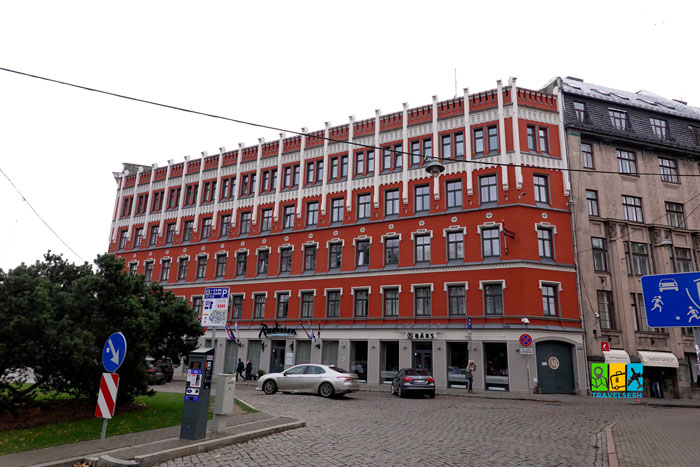
For those looking for luxury, Riga has several hotels in historic buildings. Grand Hotel Kempinski Riga – an elegant hotel in the heart of the Old Town, combining luxury and a high level of service. Another option – Radisson Blu Elizabete Hotel, which is also centrally located and offers stylish rooms with exquisite interiors. Hotel Bergs – A five-star hotel in a historic building that impresses not only with its luxury, but also with its individual approach to each guest.
What to see
The Town Hall Square is the heart of Riga’s Old Town, one of the most famous and significant places for tourists and locals. This square preserves the atmosphere of the Middle Ages and is an important historical center of the city, as it was here that numerous city events, fairs and celebrations took place.

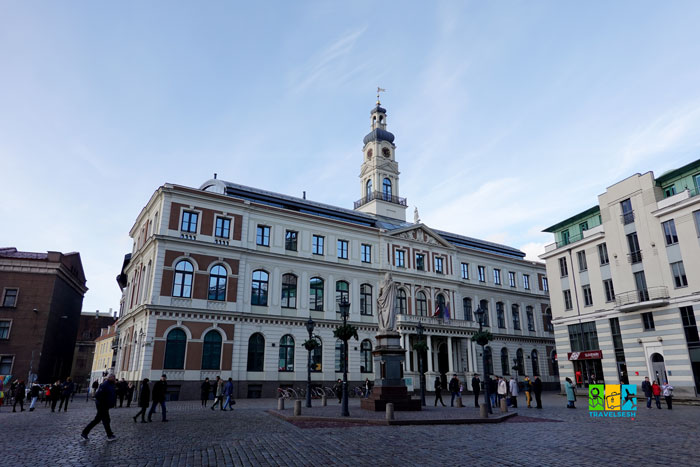
Riga City Hall (Rīgas dome) or Riga Town Hall (Rātsnams)
The main architectural gem of the square is the Riga Town Hall, a majestic building that was built in the 15th century in the Gothic style. Although the modern Town Hall is a restored building (the original was destroyed during World War II), its architecture retains important elements of that time. Visitors can take a look at the interiors of the Town Hall, where there are halls for ceremonial events and city council meetings. Another important part of the Town Hall is the Town Hall Tower, which offers a beautiful view of the Old Town.
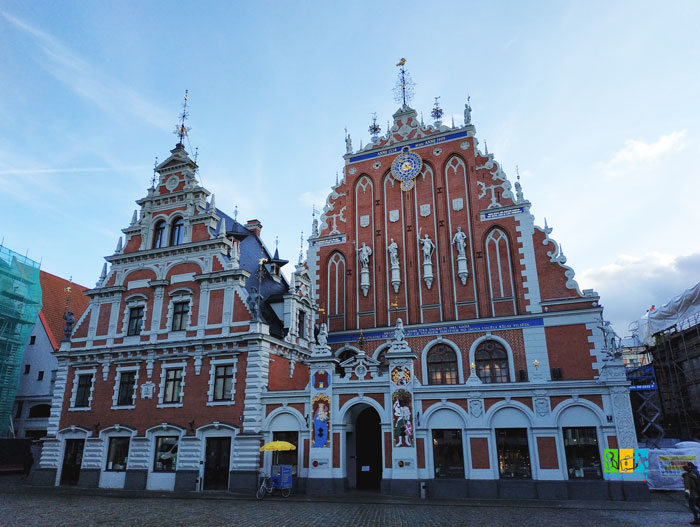
Blackheads’ House (Melngalvju nams)
This is a magnificent architectural building dating back to the 15th century. The house was the home of the Blackheads’ brotherhood, which united wealthy men, merchants, and traders. Dominating the architectural appearance of the square, the Blackheads’ House is known for its exquisite facade, decorated with Renaissance elements, as well as sophisticated architectural details. Its facade impresses with a combination of colors, stained glass windows, and carved elements, which give it a special charm.
Opening hours: Open daily 10:00 – 17:00
Price: adults 7 euros. There are also various special offers, such as entrance ticket + coffee,
entrance ticket + sparkling wine, or entrance ticket + blackcurrant balm. Buy entrance ticket online.
On the Town Hall Square you can also see the monument to the Livonian King Rudolf, which symbolizes Riga’s long-standing ties with the Livonian Order. In addition, the square is surrounded by numerous cafes and restaurants, where you can enjoy local dishes while watching the life of the Old Town.

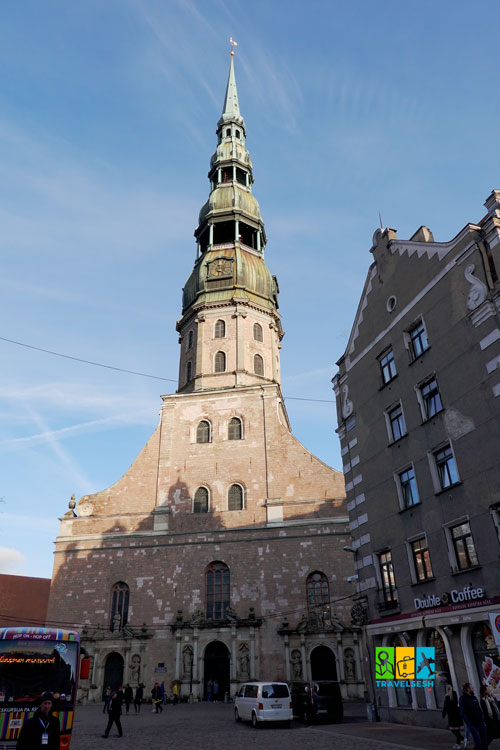
St. Peter’s Church (Svētā Pētera baznīca)
One of the most famous landmarks of Riga, located in the heart of the Old Town. The church was founded in the 14th century and has been rebuilt many times over the centuries. It is not only an important religious and cultural site, but also a popular place among tourists due to the unique opportunity to enjoy the panorama of Riga from above.
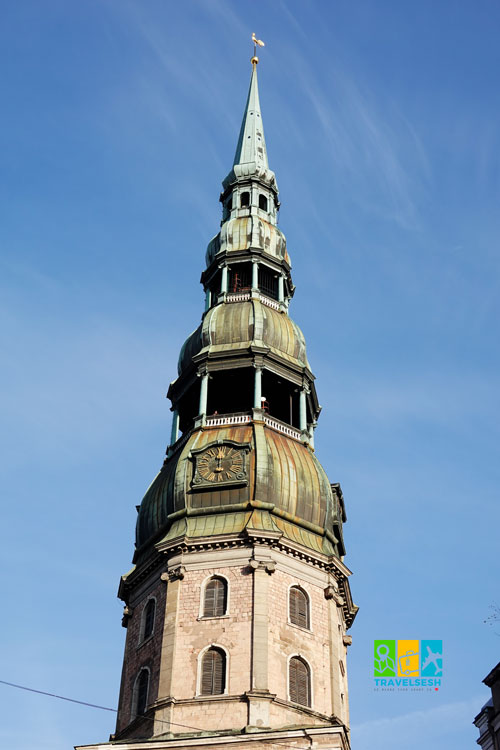
St. Peter’s Church is known for its steep spire, which rises to a height of 123 meters. This makes it one of the tallest medieval churches in Europe. The main highlight of the church is the observation platform, located at a height of 72 meters. Visitors can take an elevator up and see an incredible panorama of the city: the tiled roofs of the Old Town, the Gulf of Riga, the Daugava River and modern districts of Riga. In clear weather, the platform offers a view of dozens of kilometers around, which allows you to fully appreciate the beauty of the city.
Opening hours: Monday – Sunday 10:00 – 18:00, Friday and Saturday 10:00 – 22:00.
Cost: entrance to the observation platform is paid, Church + observation platform for adults €9, Church only €3. Discounts for teenagers, children under 7 years old free.
Best time to visit: Try to climb closer to sunset to see Riga drown in golden light.
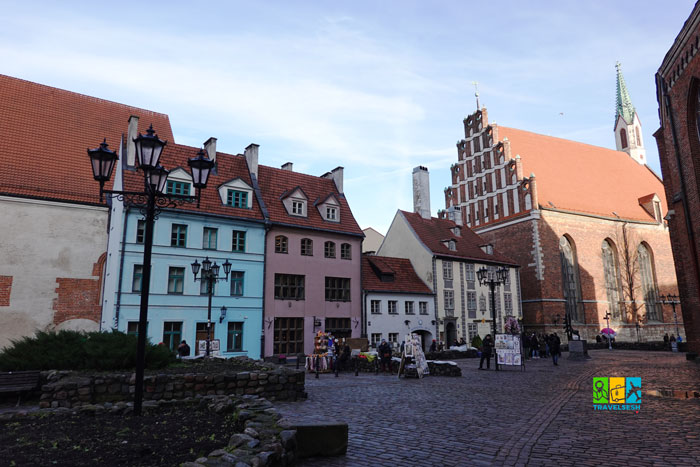
St. John’s Church (Rīgas Svētā Jāņa baznīca)
One of the oldest religious buildings in Riga, located in the very heart of the Old Town. Its history dates back to the 13th century, when a Dominican monastery was founded here. The church has preserved the unique features of Gothic architecture, although it has undergone many changes and reconstructions over the centuries. The main decoration of the interior is a high altar, ancient sculptures and an organ, the sound of which creates a special atmosphere during services and concerts. A unique feature of the church are the sculptures built into the wall, which, according to legend, depict monks who participated in the construction of the monastery.
House Square (Doma laukums)
House Square is one of the largest and most popular squares in the Old Town. It is surrounded by historic buildings with facades in styles ranging from Gothic to Classicism, as well as cozy cafes and restaurants, creating a lively atmosphere for both tourists and locals. In winter, the square becomes the center of a Christmas market, which fills it with a festive mood. The main decoration of the square is the majestic Riga Cathedral (Rīgas Doms), the largest medieval church in the Baltic States, which is an indisputable decoration of the city.

Riga Cathedral (Rīgas Doms)
Riga Cathedral is one of the symbols of the city. Its construction began in 1211 by order of Bishop Albert von Buxgevden, the founder of Riga. Over the centuries, the cathedral has been rebuilt many times, which has given it features of various architectural styles – Romanesque, Gothic, Baroque and Classicism. The high bell tower with a characteristic dome is visible from afar. The cathedral’s organ, created in 1884, deserves special attention, which was long considered the largest in the world.
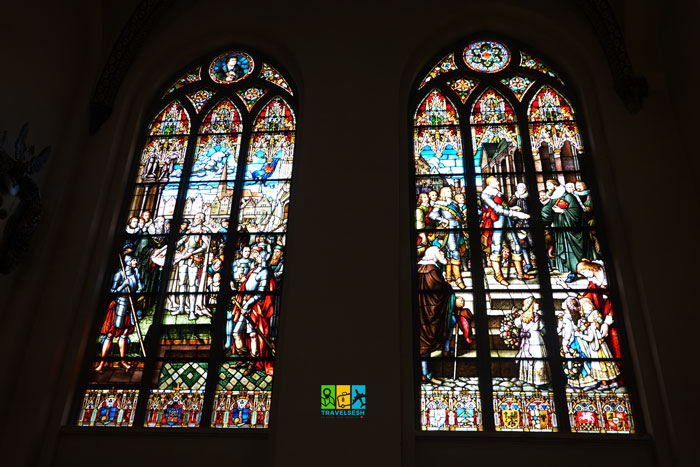
Opening hours: Monday-Saturday 10:00-17:00. Sunday 14:00-17:00
Price: Admission ticket – €5, Children 11-18 – €3, Children under 10 years old – free.
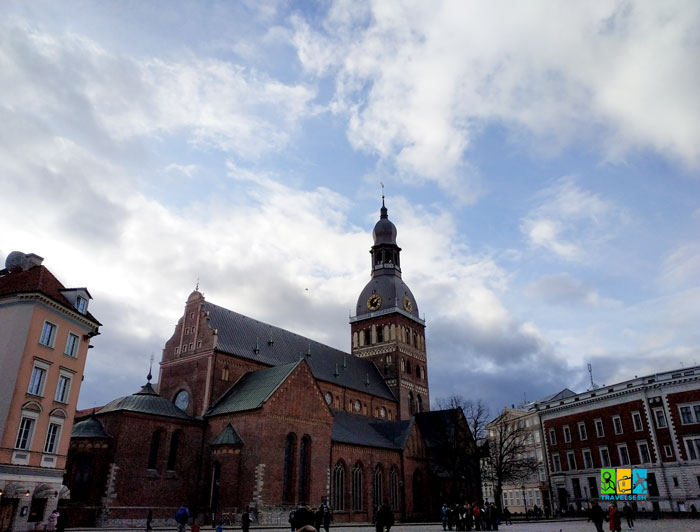
Tourist tips: Attend an organ concert to enjoy the cathedral’s acoustics.
Please note that the cathedral operates as a museum and church, so the opening hours may vary.
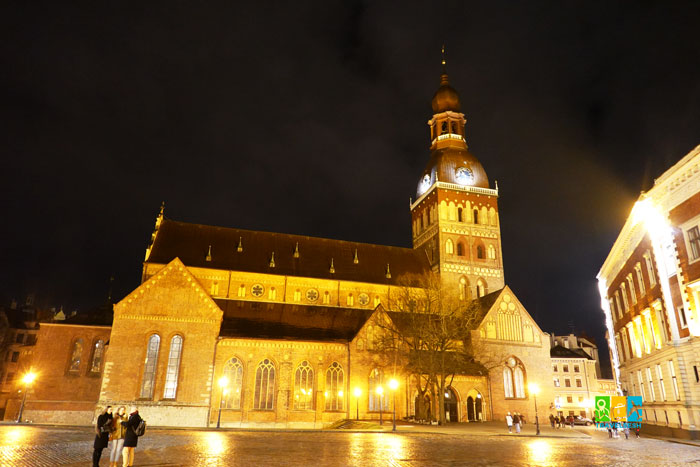
Be sure to stroll through Dome Square in the evening, when the architecture of the cathedral and surrounding buildings is illuminated, creating a romantic atmosphere.
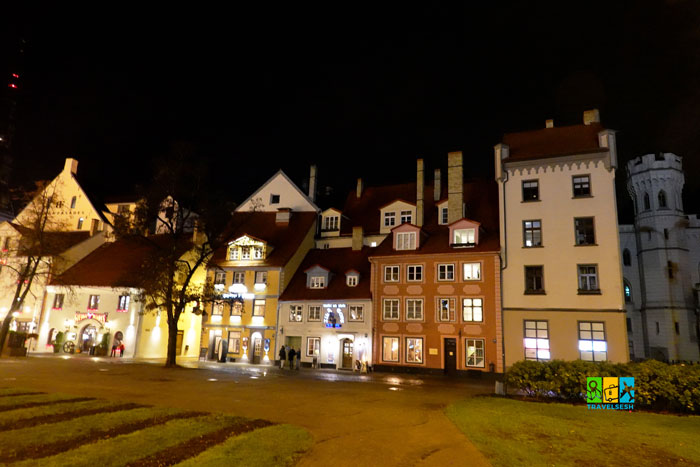
Līvu Square (Līvu laukums)
One of the most picturesque corners of Riga’s Old Town, enchanting with its atmosphere. This square was created in the 1950s on the site of a building destroyed during World War II. Today it is known for its cozy cafes, restaurants, souvenir shops and live music, which often sounds in the warm season.
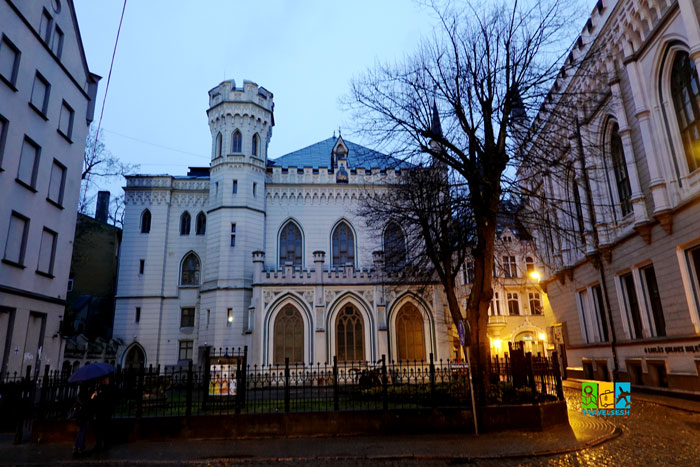
Small Guild (Mazā Ģilde)
A historic building, built in the neo-Gothic style in the mid-19th century, which was a meeting place for artisans and merchants. Today it houses a cultural center, where concerts, performances and various events are held.
Three Brothers (Trīs brāhī)
This is the oldest residential complex in Riga, which is one of the main architectural monuments of the city. The complex consists of three houses, each of which represents different eras and architectural styles, which together create a unique ensemble. These buildings are located on Mazā Pils iela, in the heart of the Old Town. The complex was named “Three Brothers” because of the close proximity of the houses and the legend that they were built by three members of the same family. Each of them corresponds to its own era, which perfectly illustrates the development of residential architecture in Riga:
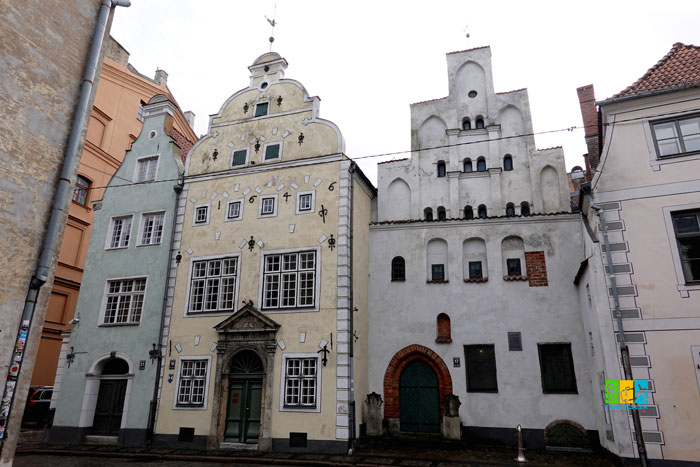
- Elder Brother (No. 17) is the oldest of the three, built in the second half of the 15th century. Its massive Gothic form, thick walls and small windows indicate that the building served a defensive function. It housed a craftsman’s workshop.
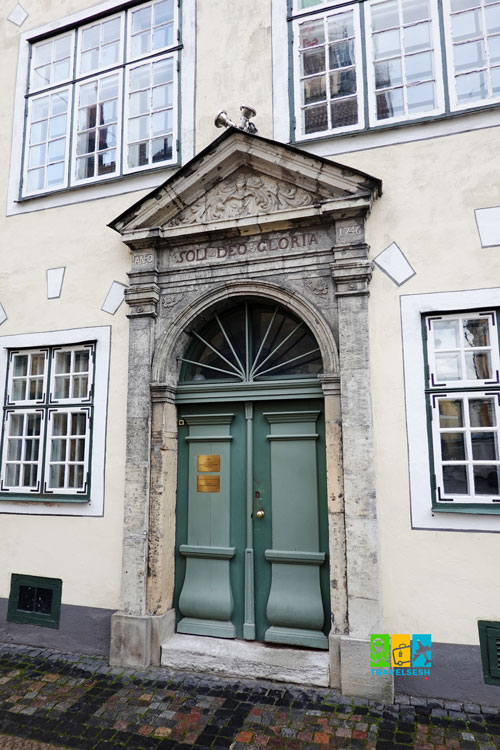
- Middle Brother (No. 19) was built in the mid-17th century in the Dutch Renaissance style. Its facade is decorated with elegant ornaments, and the high gable roof gives the building elegance. On the facade you can see the Latin inscription: “Soli Deo Gloria” (“Glory to God alone”).
- The Younger Brother (No. 21) – built at the end of the 17th century, this house has a more modest Baroque facade, but is distinguished by large windows and exquisite details.
Museum opening hours: Monday 9:00 – 18:00, Tuesday, Thursday 9:00 – 17:00, Wednesday 9:00 – 19:00, Friday 9:00 – 16:00, Saturday, Sunday – closed
Cost: Free admission
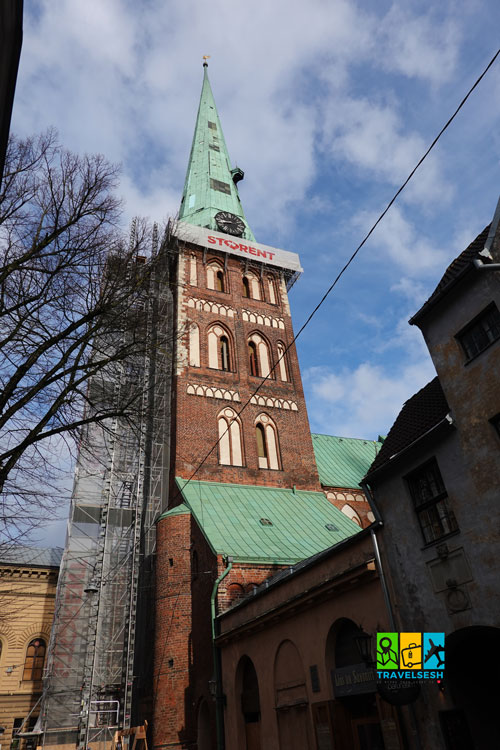
St. Jacob’s Cathedral (Rīgas Svētā Jēkaba katedrāle)
One of the oldest and most important religious buildings in Riga, which is a landmark of Gothic architecture and the spiritual center of the city. Located in the Old Town, near the Three Brothers’ Houses.
St. Jacob’s Church was built in 1225, which makes it one of the oldest buildings in Riga. Initially, it was a Catholic church, but over time it became the property of Protestants. In the 20th century, the church returned to the Catholic community and is now the cathedral of the Roman Catholic Church of Latvia.
Cost: Free admission
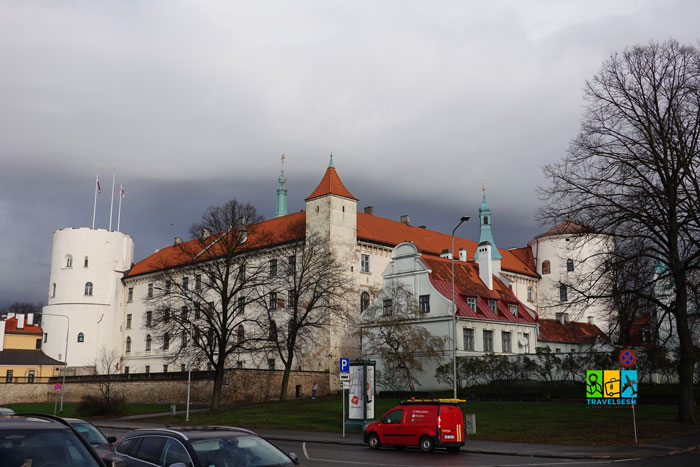
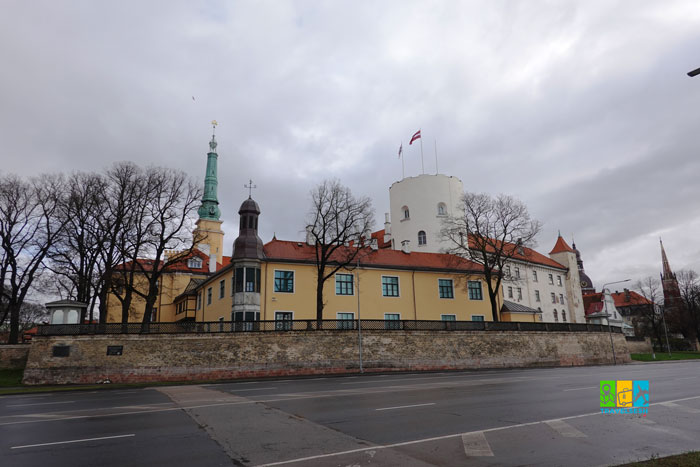
Riga Castle (Rīgas pils)
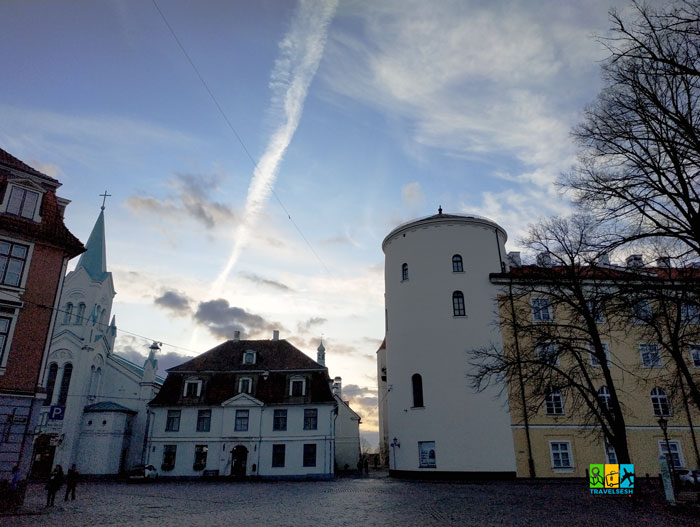
A majestic fortress on the banks of the Daugava River, which is today the official residence of the President of Latvia. The castle was built in 1330 as the residence of the Livonian Order, but has been rebuilt many times over the centuries. The fortress has retained Gothic and Renaissance features, and is also complemented by more modern elements.
Riga Castle Tour. You will be able to visit such historical and ceremonial rooms as the Gift Hall, Festival Hall, Ambassadors’ Accreditation Hall, White Hall, Hall of Coats of Arms, Green Hall, Riga Room, Cakste Cabinet, Festival Salon, Ladies’ Salon and Gentlemen’s Salon. During the tour, guests have access to audio guides in six languages: Latvian, English, German, French, Ukrainian, and an accessible language for people with special needs.
Important. Document check: Before the tour begins, you must pass a document check, so it is important to arrive 15 minutes before the specified time. Be sure to have your ID card or passport with you.
The tour lasts about an hour. It is absolutely free, which makes it even more attractive for everyone who wants to immerse themselves in the history and present of Riga Castle.

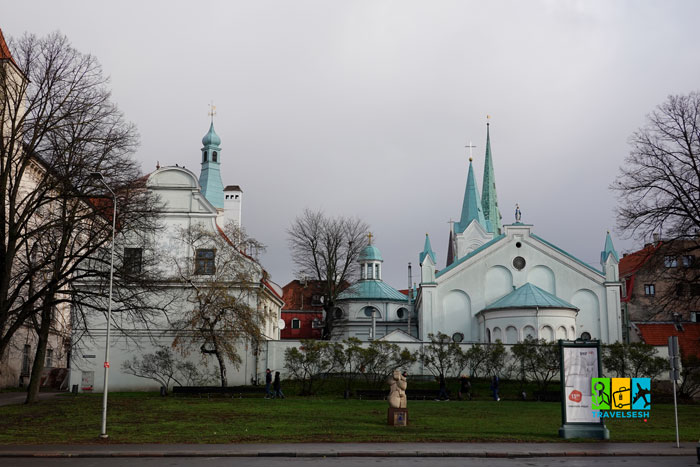
Church of the Sorrowful Virgin Mary (Rīgas Sāpju Dievmātes baznīca)
One of the oldest and most magnificent religious buildings in Riga. It is an important spiritual center for Catholics in Latvia and attracts tourists with its architecture, atmosphere and history. Rich decor, ancient icons and an altar dedicated to the Sorrowful Virgin Mary. Organ concerts are held in the temple, which create an unforgettable atmosphere. Sculptures and stained glass windows symbolize Christian values and add coziness to the sacred space.
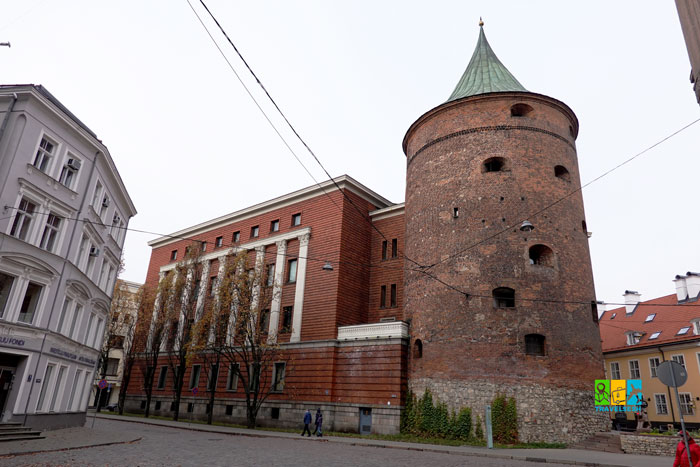
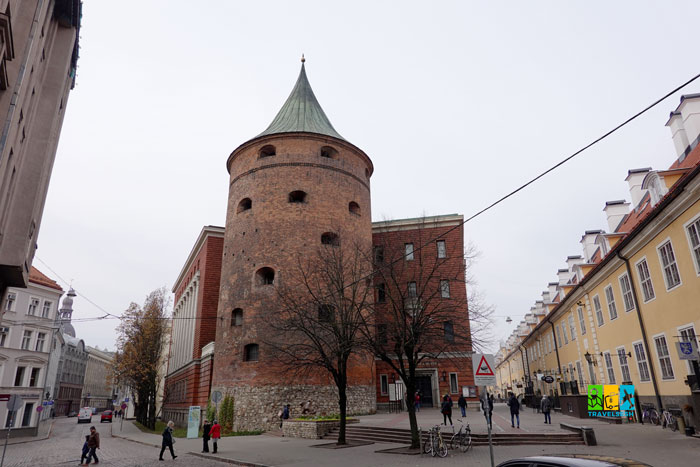
Powder Tower (Pulvertornis)
One of the few surviving parts of the ancient Riga fortifications that protected the city from the 14th century. The building now houses the Military Museum of Latvia, which exhibits the country’s military history from the Middle Ages to the present day. Tourists can explore the exhibitions inside or simply enjoy the view of the tower, which has become a symbol of medieval Riga.
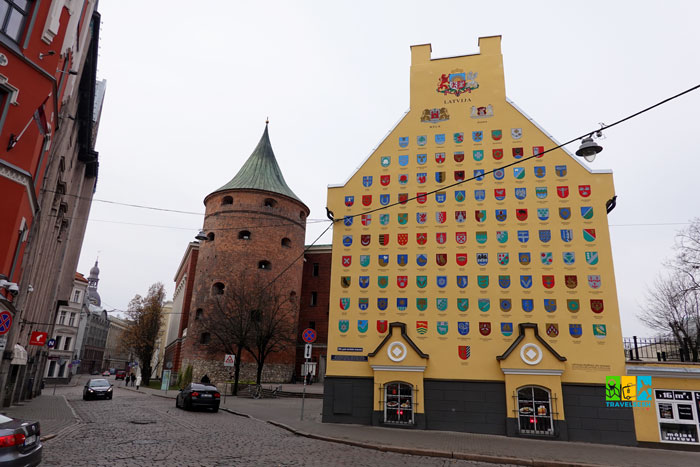
Coats of arms of municipalities of Latvia
As part of the celebration of the centenary of the Republic of Latvia, a unique project was presented that united all the cities of the country through their heraldry. The exhibition “Latvijas pilsētas un novadi valsts simtgadei” reveals the richness and diversity of Latvian culture through coats of arms that symbolize the history, natural resources and characteristics of each region.
Original coats of arms of all Latvian municipalities. A symbolic reflection of the unique identity of each city. This collection is a great opportunity to learn more about Latvia, its heritage and how modernity is intertwined with centuries-old traditions.
Interesting facts: Some coats of arms were created in medieval times, while others were created in independent Latvia.
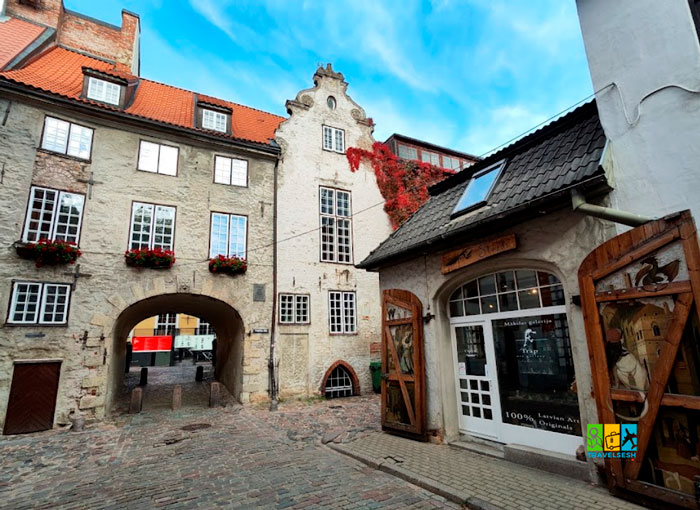
Swedish Gate (Zviedru vārti)
A unique landmark of the Old Town, the only preserved city gate, built at the end of the 17th century during the Swedish rule in Riga. It is located on Torņa iela and leads to the former defensive ramparts.
The Swedish Gate has become a popular place among tourists due to its legendary history. It is said that during the Swedish occupation, soldiers were executed here, and passing through the gate symbolized the transition to a new life.
Tourist tip: The Swedish Gate, the Powder Tower and the Riga Castle are located within the Old Town, so they can easily be explored during one walk.
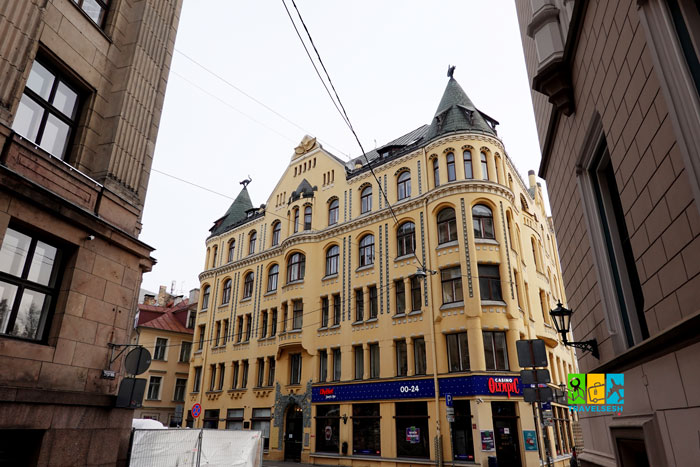
Cat’s House (Kaķu nams)
One of the most recognizable buildings in Riga, which has become a true symbol of the city. This Art Nouveau building was built at the beginning of the 20th century. It got its name thanks to two bronze statues of cats with curved tails that adorn the roofs of the towers. According to legend, the owner of the house installed the cats so that their tails were turned towards the Great Guild building as a sign of protest against the refusal to accept him into the guild. Later, the statues were returned, but the story remained alive in urban legend. Today, the Cat’s House is not only an architectural monument, but also a popular tourist attraction that is definitely worth seeing during a walk through the Old Town.
Latvian National Opera and Ballet (Latvijas Nacionālā opera un balets)
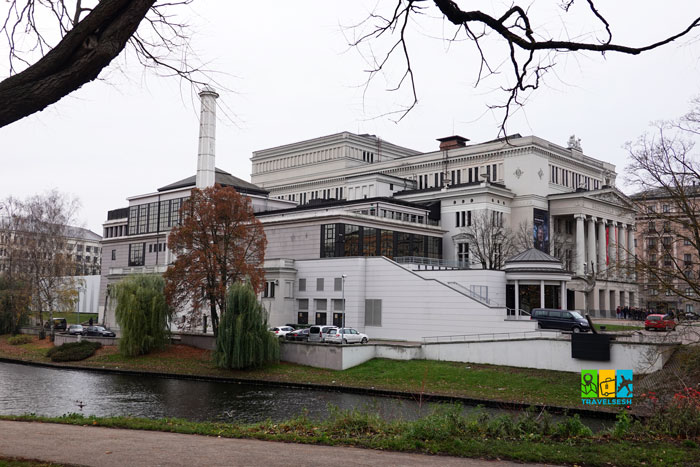
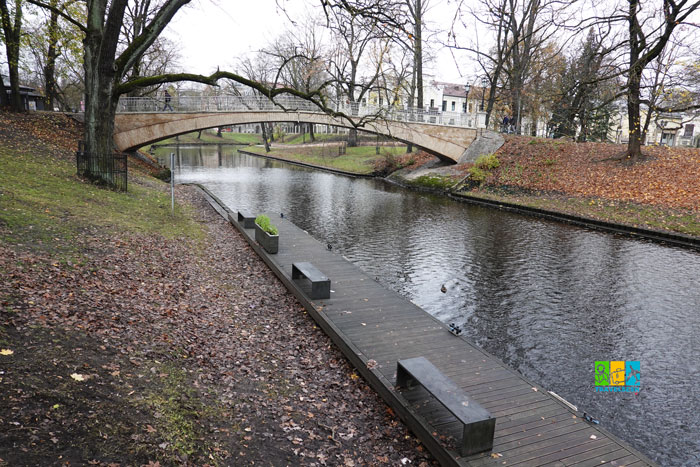
This is not only the main theater stage of Riga, but also a real architectural masterpiece located in the heart of the city. The opera building, built in the classical style in 1863, impresses with its elegant facade, columns and sculptural details. It is surrounded by a picturesque park, through which a canal flows, adding a special charm to the place. The interior of the opera is no less impressive than its facade. The luxurious hall with excellent acoustics, decorated in white and gold tones, creates an atmosphere of true grandeur. Visiting the Latvian National Opera is a great opportunity to enjoy high art and immerse yourself in the atmosphere of Riga’s cultural life.
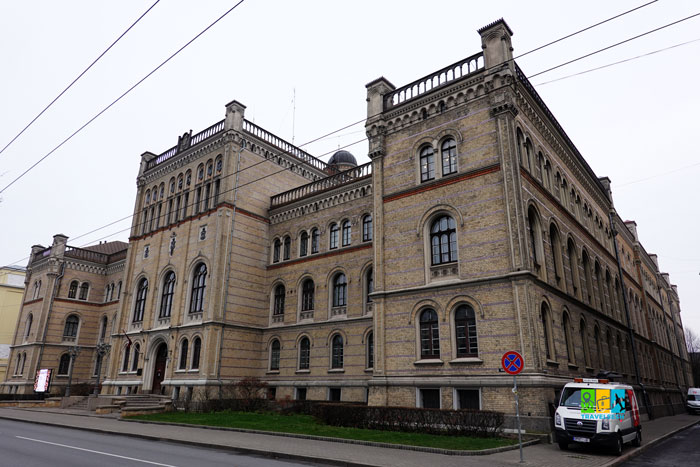
University of Latvia (Latvijas Universitāte, LU)
One of the oldest and most prestigious higher education institutions in Latvia, founded in 1919. Located in the very center of Riga, the university is not only an academic center, but also an important cultural and historical landmark of the city.
Latvian National Library (Latvijas Nacionālā bibliotēka)
One of the modern symbols of Riga, also known as the Castle of Light. This majestic building, located on the left bank of the Daugava River, is not only an important cultural and educational center, but also an outstanding example of modern architecture. Its design was created by Latvian architect Gunars Birkaerts, and the library was opened in 2014.

Riga Central Market (Rīgas Centrāltirgus)
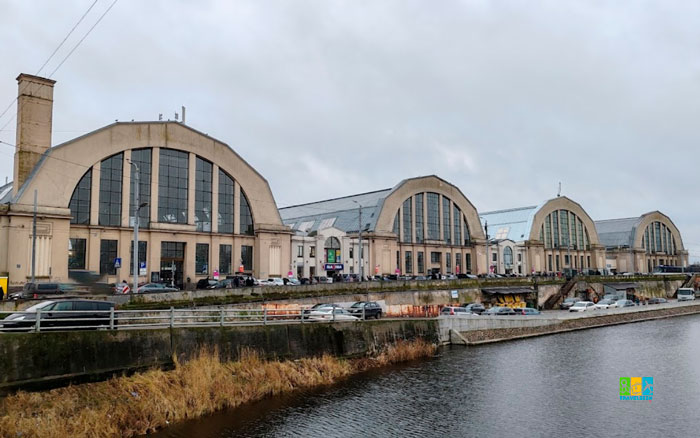
Not only is it the largest market in the Baltics, but it is also one of the city’s main tourist attractions, a UNESCO World Heritage Site. Located next to the railway station and Old Riga, the market impresses with its scale, history and atmosphere. The main feature of the market is its unique architecture. Five huge pavilions were built in the 1920s using metal structures from airships.
The Central Market is a place where you can feel the true Latvian flavor. It is always bustling with locals buying produce and tourists exploring the wide range of Latvian delicacies such as smoked fish, rye bread, local cheeses and honey. Many cafes and food courts offer traditional Latvian cuisine at affordable prices. The market is open every day, and the best time to visit is in the morning when the stalls are filled with fresh produce. This is a great place to shop and experience the local culture.
Berga Bazaar (Berga Bazārs)
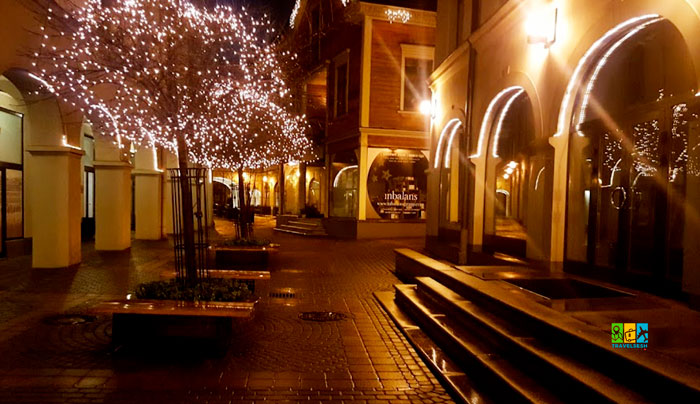
This is a cozy and stylish complex in the very center of Riga, combining the atmosphere of a historic market with modern boutiques, cafes and restaurants. Founded at the end of the 19th century, located on several narrow streets and courtyards, the market is an ideal place for leisurely walks. Here you can find shops of local designers, jewelry workshops, bookstores, elite cafes and shops with organic products. The market has several excellent restaurants offering Latvian and international cuisine, as well as wine bars where you can taste local drinks. In the summer, the courtyards become a venue for concerts and cultural events.
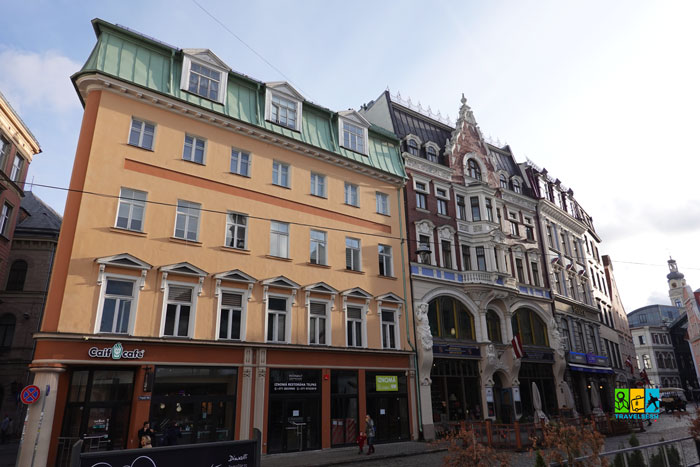
Art Nouveau Quarter is a historic district of Riga, home to the world’s largest collection of Art Nouveau buildings. It is an architectural gem that impresses with its facade details, sculptures and graceful lines.
Speakeri Quarter is a former warehouse that has been transformed into a modern cultural space. It is home to art galleries, cafes, restaurants, and hosts festivals and exhibitions.
Kalnciems Quarter is a cozy district known for its cultural events, themed markets, fairs and concerts. This is a place where Latvian tradition comes to life in a modern format.

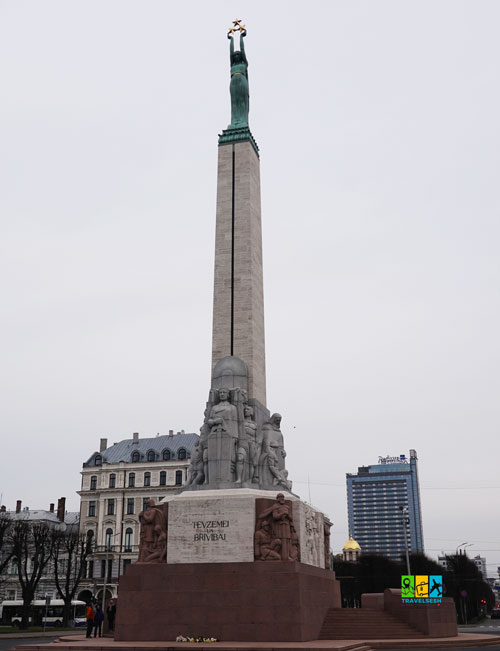
Freedom Monument in Riga (Brīvības piemineklis)
The Freedom Monument is one of the main landmarks of Riga and a symbol of Latvia’s independence. This 42-meter-high monument was unveiled in 1935 in honor of Latvia’s independence. It is crowned by a sculpture of a woman holding three stars, symbolizing the historical regions of Latvia: Kurzeme, Vidzeme and Latgale. The monument is an important place for holding state holidays and celebrations.
Interesting facts: The monument was financed by the people of Latvia through voluntary donations. During Soviet times, there were attempts to destroy it, but it remained as a symbol of the struggle for freedom.
Entertainment for children
Riga offers great opportunities for children to relax, where you can combine fun, learning and family comfort:
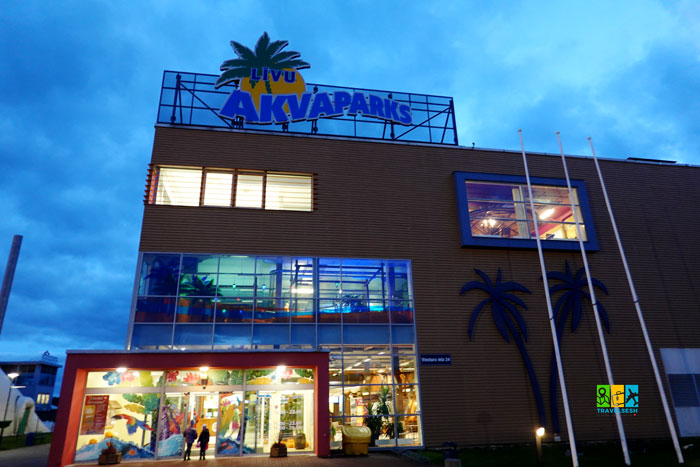
Akvapark (Līvu Akvaparks)
One of the largest water parks in the Baltics, with water slides, swimming pools, play areas and a relaxation area for adults. An ideal choice for an active family day.
Līvu Akvaparks is located in Jurmala, 20-30 minutes by car from the center of Riga. If you are traveling by public transport, you can take the train from Riga to Jurmala (Jurmala station), and then walk or take a taxi to the water park (approximately 15-20 minutes on foot).
Opening hours: Monday – Tuesday: closed. Wednesday – Friday: 12:00 – 21:00, Saturday: 11:00 – 21:00, Sunday: 11:00 – 20:00.
Cost: Ticket prices vary depending on the age of visitors and the length of stay. Here are approximate prices (subject to change, so it’s best to check the official website) from €14 for the whole day.
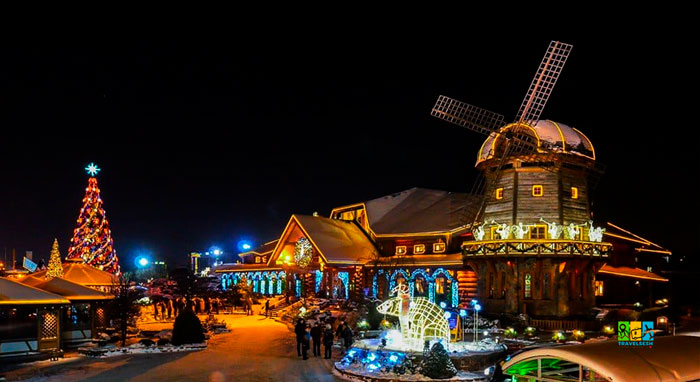
Riga Zoo (Rīgas Nacionālais zooloģiskais dārzs)
One of the oldest zoos in Europe, with over 400 species of animals. It is an ideal place for nature lovers and family vacations, especially thanks to the large number of interactive programs for children.
The zoo is located in the western part of Riga, in the Mežaparks district. If you are traveling by public transport from the city center, you can take buses No. 11, 28 or 31 to the “Rīgas Zooloģiskais dārzs” (Riga Zoo) stop. The journey will take about 30-40 minutes.
Opening hours: Monday – Sunday: 10:00 – 18:00 (may be extended to 20:00 in the summer season). The zoo is open seven days a week.
Prices: Adults: weekdays: €12, weekends: €14. Children (4-17 years): €5-6 respectively. Family ticket: 2 adults + up to 3 children: €25-30 respectively. It is recommended to check the exact prices on the zoo website, as they may vary depending on the season or special promotions.

Lido (Lido)
This is a popular entertainment complex that combines attractions, playgrounds and an ice rink in the winter. An ideal place for family recreation and entertainment. Here you can find a variety of attractions for children and adults, as well as a huge number of playgrounds for the youngest visitors. In winter, an ice rink is open, which adds a special atmosphere to winter entertainment.
In addition, Lido is famous for its cuisine: here you can taste traditional Latvian cuisine dishes prepared from local products.
Lido is conveniently located and can be reached by public transport, tram number 7, or bus number 5432 from the city center.
Opening hours: Monday – Sunday: 10:00 – 22:00 (times may vary depending on the season)
Cost: The cost of admission to attractions and areas varies depending on the specific attraction and season.
Riga Pass
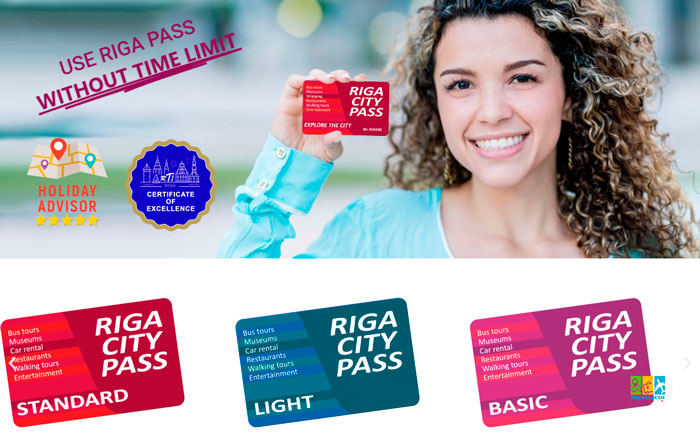
If you are planning to visit Riga, the Riga Pass is a great way to save money on transportation, museums, and other tourist services. This card offers a variety of discounts and privileges for tourists.
What’s included:
- Free public transport within the city (trams, trolleybuses, buses).
- Free entrance to more than 15 museums, including the Riga History Museum, the Museum of Nature, the Museum of Art, etc.
- Discounts on excursions, restaurants, cafes and souvenir shops.
- Discounts on bike rental, city quests, boat or ferry rides.
Prices depend on the duration of the card’s validity and additional options.
Where to buy: The card is available for purchase at Riga tourist information centers, as well as online via the official Riga Pass website.
Museums
Latvian National History Museum (Latvijas Nacionālais vēstures muzejs)
One of the largest museums in Latvia, located in Riga. The museum presents the history of Latvia from ancient times to the present day, including archaeological finds, exhibitions reflecting the development of the country’s culture, art and science.
Opening hours: The museum is closed on Mondays and Tuesdays. Wednesdays and Thursdays from 10:00 to 18:00. On Fridays, the opening hours are extended until 20:00. On weekends, Saturday and Sunday, the museum is open from 10:00 to 17:00.
Price: Standard adult ticket: €5 (discounts for students, pensioners and children).

Latvian War Museum (Latvijas Kara muzejs)
Located in the Powder Tower, this place introduces visitors to the centuries-old history of Latvia, focusing on its military events, in particular the struggle for independence in the 20th century. The museum presents exhibitions covering the period from the Middle Ages to the present day, including weapons, uniforms, documents and artifacts.
Opening hours: Tuesday to Sunday from 10:00 to 17:00. The museum is closed on Mondays.
Cost: Free admission
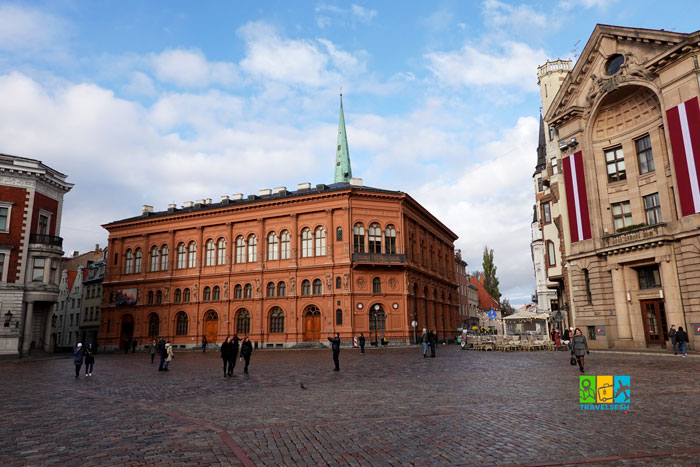
Riga History and Maritime Museum (Rīgas vēstures un kuģniecības muzejs)
Tells about the centuries-old history of the Latvian capital as one of the main port cities in the Baltics. The exhibition covers the period from the founding of Riga to the present day, paying special attention to its role in maritime trade and shipbuilding. You can see ship models, old maps, nautical instruments and artifacts that tell about the life of the city as an important port center. The museum is located next to the Domski Cathedral, which makes it convenient to visit during a walk through the Old Town.
Opening hours: During the summer season (May 1st to September 30th), the museum is open Monday to Sunday from 10:00 to 17:00, and on Fridays in June, July and August from 12:00 to 19:00. During the winter season (October 1st to April 30th), the museum is closed on Mondays, but is open Tuesday to Sunday from 10:00 to 17:00.
Price:Standard adult ticket: €5 (discounts for students, pensioners and children).
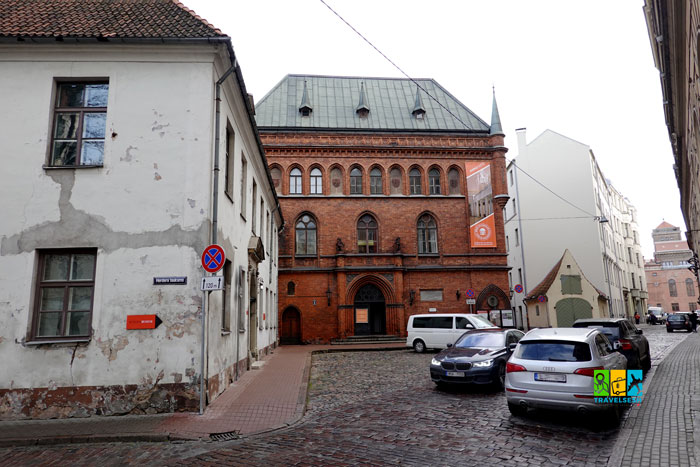
National Art Museum (Mākslas muzejs RĪGAS BIRŽA)
Located in the building of the former stock exchange, built in the Venetian Renaissance style. The museum specializes in international art and presents collections of European, Asian and Mediterranean art. Of particular note is the Chinese Cabinet, which demonstrates the richness of Asian culture. The largest art museum in Latvia, storing over 52 thousand works of art.
Opening hours: The museum is open every day, except Monday.
Cost: A mobile ticket of €6 is valid.
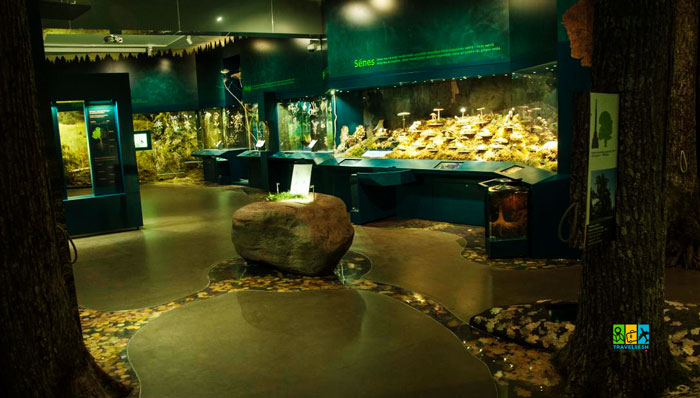
Latvian Museum of Natural History (Latvijas Nacionālais dabas muzejs)
This is the largest and oldest museum in Latvia dedicated to natural sciences. It was founded in 1845 and has a rich collection covering various aspects of the nature of Latvia and the world. The museum is interesting, with many thematic and interactive halls, children will definitely be interested, and adults too.
Opening hours: Monday, Tuesday off. Wednesday – Sunday 10:00 – 17:00.
Ticket prices: Adults: 3.5 euros, other categories have discounts.
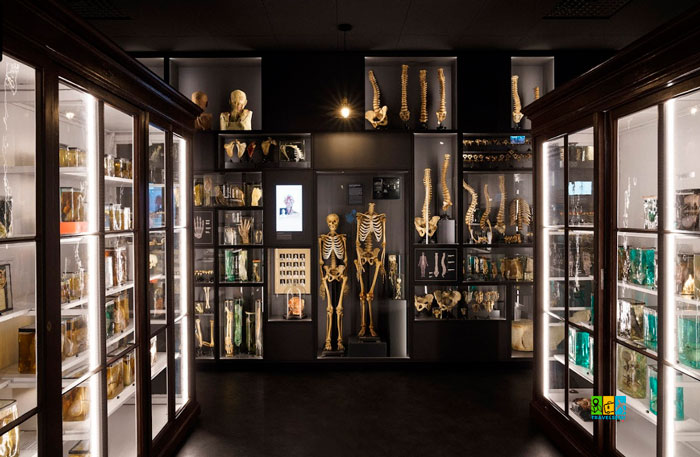
Anatomical Museum (Anatomijas muzejs)
This is a unique place that allows you to immerse yourself in the world of human anatomy and medicine. The museum’s collection contains over 6,000 exhibits: from organs and systems of the human body to rare pathologies.
The museum is located in the modern building of the Institute of Anatomy and Anthropology, which creates the atmosphere of a professional medical institution.
Tours are conducted in several languages, including Latvian and English. This place will be interesting for both doctors and those interested in natural sciences.
Opening hours: Monday: closed. Tuesday – Wednesday – Friday – Saturday: 11:00 – 18:00. Thursday: 13:00 – 20:00. Sunday: closed. The ticket office closes 30 minutes before the end of working hours.
Price: Adults: €5. Students, pensioners: €3.50. Students (schoolchildren): €2. Family ticket: €7-12. Preschool children: free. Also, admission for Ukrainians is free.
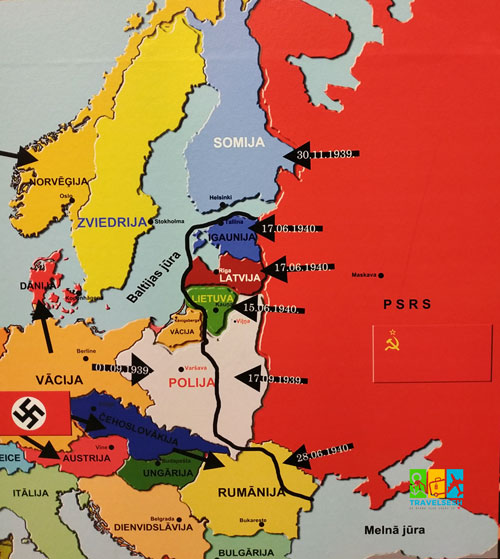
Museum of the Occupation of Latvia (Latvijas Okupācijas muzejs)
The museum is dedicated to a difficult period in the history of Latvia – the occupation of the country from 1940 to 1991. The exhibitions highlight the events of the Soviet and Nazi occupation, repression, deportations and the struggle of Latvians for independence. There are several museums or halls of this theme in Riga where the myths of Soviet propaganda and justification of the occupation of other countries are debunked.
Opening hours: Thursday – Monday 10:00 – 18:00, Tuesday and Wednesday closed.
Cost: Adults: 8 euros. Students and pensioners: 3 euros. Children under 7 years old are free.
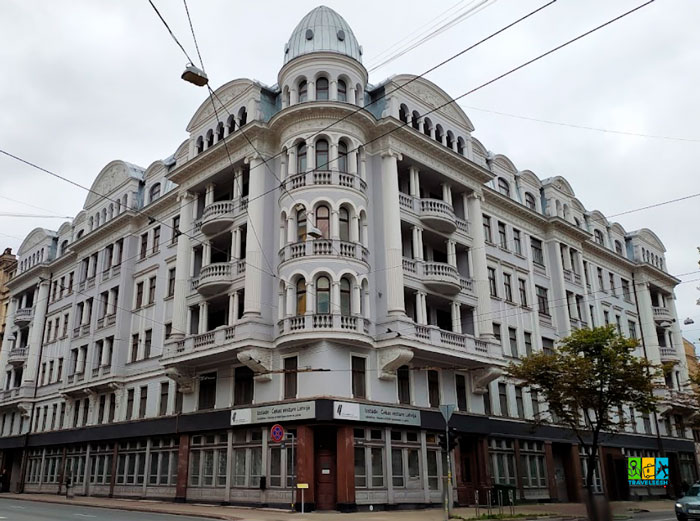
KGB building in Riga (Stūra māja)
This historic building, known as the “Corner House”, was once the headquarters of the Soviet Committee State Security (KGB) in Latvia. Today it houses a museum that tells about Soviet repressions, investigative processes and the tragic fates of people who suffered from the totalitarian regime.
Opening hours: Open daily: 10:30 AM – 5:30 PM.
Tours of the cell block in English: 11:00 AM, 12:00 PM, 1:00 PM, 3:00 PM, 4:00 PM. Important, come 10 minutes before the start of the tour.
Tour cost: Adults: 15.00 euros. Students: 5.00 euros.
Important: Tickets can be purchased online on a certain time, must be purchased several days in advance, as the number of visitors per hour is limited. Children under 12 years of age are not allowed on excursions.
Interesting excursions
Boat tour
This trip is a unique opportunity to explore the historical part of Riga from the water during a leisurely stroll along the city canal and the Daugava River. The tour takes place on a canal boat equipped with an audio guide in several languages (English, Latvian and Russian).
The route covers picturesque parks and iconic sights of Riga: Kronvalds Park, Latvian National Theatre, Basteikalns, Freedom Monument, Latvian National Opera, Stockmann Shopping Centre, Bus Station, Central Market and many others. During the trip along the Daugava River, you can enjoy the view of the Andrejosta Yacht Club, the TV Tower on Zakusala, Riga Castle, Riga Cathedral and the old wooden houses of Kipsala Island.
This tour is perfect for those looking for a romantic atmosphere or simply want to see the city from a different perspective. You can book the tour online. It is important to have a smartphone and headphones with you.
Riga Black Balsam Tasting
Riga Black Balsam is a legendary Latvian bitter with a history of over 260 years. Experience the taste of tradition by visiting a free tasting of the national drink at the official Latvijas Balzams stores. If you like this drink, you can purchase it or other products with a 10% discount provided by the Riga Pass. There are many stores in the city, but one of the popular ones that is visited on guided tours is located near the Dome Cathedral.
Tip: If for some reason you did not buy Riga Black Balsam in the city, and later changed your mind, do not worry. You can still buy it in Duty Free shops at Riga Airport before your flight. This is a convenient opportunity to purchase the legendary drink as a souvenir or gift.

Local Brewery Tour
If you want to learn more about Latvian brewing, this tour will be the perfect addition to your trip to Riga. During the tour, you will be told about all the stages of beer creation – from the careful selection of ingredients to mashing, fermentation and bottling.
The tour ends with a tasting of five unique craft beers, each of which has its own flavor accents. The guide will explain in detail the subtleties of the taste, notes of malt, hops and yeast.
Duration: 2 hours. Tour language: English, Latvian, Russian. Tour cost: €45, can be purchased online.

Visit Sigulda and the Castles of Latvian Switzerland
This is a great opportunity to explore one of the most picturesque and historical places in Latvia.
Sigulda Castle is one of the oldest fortresses in Latvia, built in the 13th century. The castle is a historical monument and an important part of the medieval heritage. Here you can learn about the history of this region, explore the medieval halls and towers, and enjoy a magnificent view of the surrounding landscapes.
Turaida Castle – located not far from Sigulda, on a high hill. This is one of the best-preserved castles in Latvia, built in the 13th century. The castle houses a museum that introduces visitors to the history of this area and the castle, as well as the cultural heritage of Latvia.
Gutmans Cave – these natural formations allow you to enjoy not only the beauty of nature, but also the history of this region. In the gorges there are hiking trails and observation decks with stunning views of the Gauja River Valley.
Soul of the Baltic Sea – Jurmala Tour
Jurmala is the pearl of the Baltic Sea, known for its white sandy beaches, pine forests and an atmosphere of peace and elegance. This excursion from Riga offers you the opportunity to enjoy the beauty of the most popular resort town in Latvia.
What is included in the tour: Take a walk along the pedestrian promenade in the very center of the city. Learn about the history of the resort, which has attracted many prominent people. Enjoy the healthy sea air and natural features surrounding Jurmala. A magical view of the swamp from the 8-meter tower.
Cost: Excursion tours usually start from 80 euros per person, depending on the program. Language of excursions: English, Russian. The tour can be booked online..
If your budget doesn’t allow you to join an organized tour, you can always travel from Riga to Jurmala on your own to take a walk along the Baltic Sea coast.
Train: Depart from Riga Central Station, heading towards Maiori Station. The journey time is about 30 minutes and the ticket costs around 2-3 euros.
Tip: In summer, bring a swimsuit and towel to take advantage of the opportunity to swim in the Baltic Sea!
Popular restaurants and cafes
Rozengrāls: a medieval restaurant located in a dungeon, where you can feel the atmosphere of past centuries. We recommend trying: Game with berry sauce – a dish that perfectly conveys the spirit of medieval cuisine. Soup in a bread bowl – a classic medieval combination of flavors that everyone will love. Honey ale – a traditional drink that perfectly complements the medieval experience.
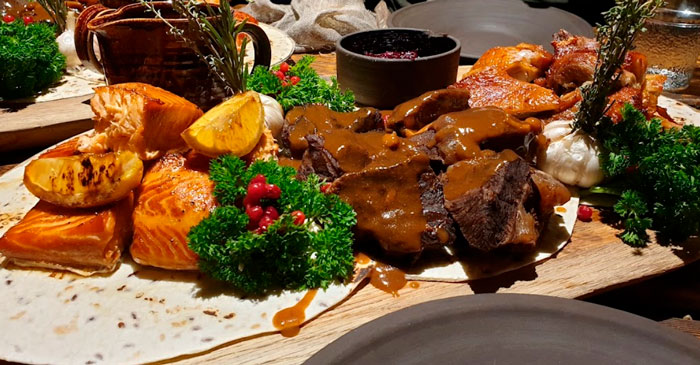
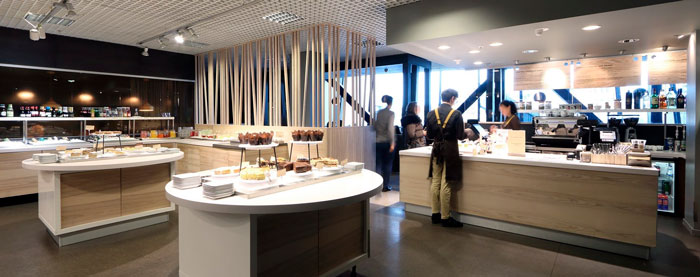
Laima Chocolate Museum Café – is a place that combines a chocolate museum and a cafe, where you can enjoy not only delicious desserts, but also learn more about the history of Latvian chocolate. The museum is part of the famous Latvian chocolate brand Laima, which has existed for over 140 years. The museum presents not only the history of chocolate, but also the process of its production, from the initial stages to the final product. The museum is paid, adults 8 euros, children of different age categories 3-5 euros, up to 3 years old free of charge.

How to get to Riga
From Kyiv and other cities of Ukraine
Despite the military operations, it is still possible to get from Ukraine to Riga using various modes of transport:
Plane
There are currently no direct flights due to the closure of airspace. However, you can use connecting routes via Poland, Hungary or other European countries. Nearest airports for departure: Warsaw, Krakow, Budapest or Vilnius. From them, regular flights to Riga are available.

Bus
International bus companies such as FlixBus, Ecolines, або Lux Express, offer routes from Kyiv to Riga with transfers in Poland or Lithuania. Travel time: about 20-30 hours depending on the route.
Ticket price: from 60-100 euros one way.
Train + bus
You can get there by train Przemysl, Warsaw or Vilnius, and from there transfer to a bus or train to Riga. A convenient option for those who prefer combined routes.
Tip: When planning your trip, take care of the decoration travel insurance. This will ensure your safety and peace of mind in the event of unforeseen circumstances. Insurance can be purchased for this by reference in the company by choosing the option that suits your needs and budget. Don’t forget to take advantage of the discount with the promo code TUW6.
From other European countries
By plane
Riga is served by Riga International Airport, which receives regular flights from all major European cities. Airlines such as AirBaltic, Ryanair, WizzAir, Lufthansa offer flights from various parts of Europe. Ticket prices: from 50 euros one way, if booked in advance. Cheap flights, find the most convenient flight to Riga.
Bus
Riga has excellent bus connections to the nearest capitals: Vilnius (Lithuania): 4-5 hours, tickets from 15 euros. Tallinn (Estonia): 4-5 hours, tickets from 20 euros. Warsaw (Poland): 12-14 hours, tickets from 25 euros.
Train
You can get to Riga by train from Vilnius, Tallinn or Warsaw. This option is a little more expensive than buses, but more comfortable. Travel time: Vilnius – Riga: 5-6 hours. Tallinn – Riga: 4-5 hours.
Railway station
Riga Central Railway Station (Rīgas Centrālā dzelzēcšķis stacija) is located in the heart of the city, just a few minutes’ walk from the historic center. The station is located at Stacijas laukums 2, next to the Central Market and Origo shopping center.
The distance to the historical center is about 500 meters. You can walk through Aspazijas bulvāris or Brīvības iela. Travel time is about 5-10 minutes. The most convenient routes are Tram No. 1, 2, 5, 10. The stop “Stacijas laukums” is next to the train station. Taxi, the trip to the city center takes only 3-5 minutes, ordered a taxi online.
Tips: If your hotel is located in the Old Town, walking is the most convenient option. Use the Rīgas Satiksme mobile app to check public transport schedules in real time.

Travel by sea
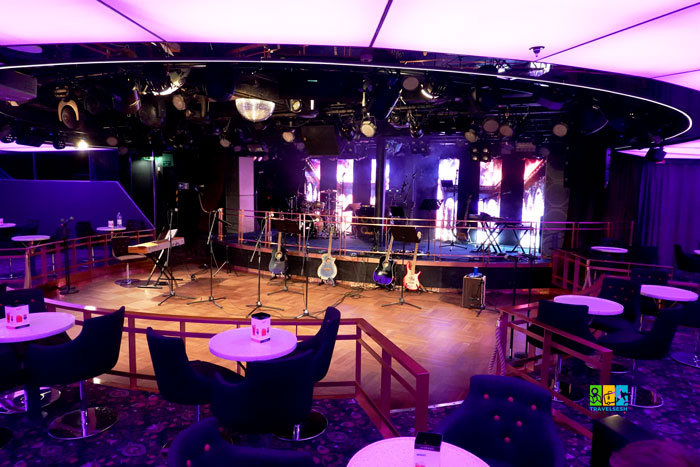
We want to share one of the most unusual and atmospheric ways of traveling that we managed to experience – a trip by ferry! This is a completely different level of travel, when the transfer turns into a mini-vacation.
There used to be a wonderful route Stockholm – Riga from Tallink Line, which took about 17 hours. It was an incredible adventure: comfortable cabins, delicious restaurants, relaxation areas and even shops on board. You could enjoy the views of the Baltic Sea, relax and just forget about all your worries. Unfortunately, this route is no longer available.
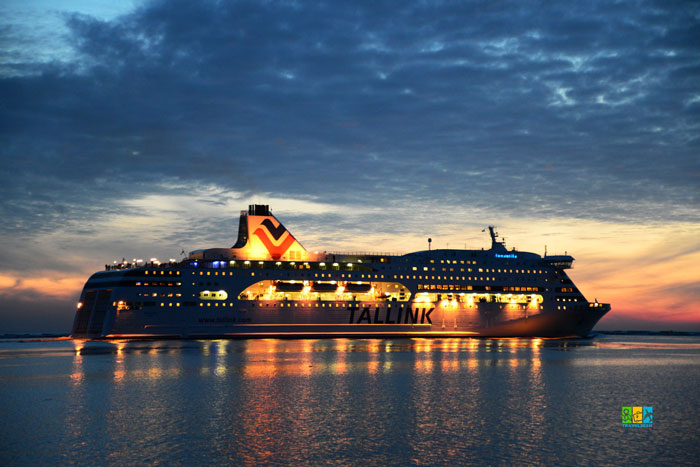
Personally, for us, such a trip is a real relaxation, an opportunity to “recharge” and simply enjoy the time on the road. If you have not tried traveling by ferry yet – I recommend adding it to your must-try list!
For intercity travel in the Baltic countries, pay attention to Lux Express — These are comfortable buses with Wi-Fi, power outlets and comfortable seats.
If you are planning combined routes, check the schedule and connections in advance to avoid long transfers.
The ferry route is a great way to see the Baltic Sea and make the trip more interesting.
How to get to/from the airport
Riga International Airport is located just 10 km from the city center, and there are several ways to get there.
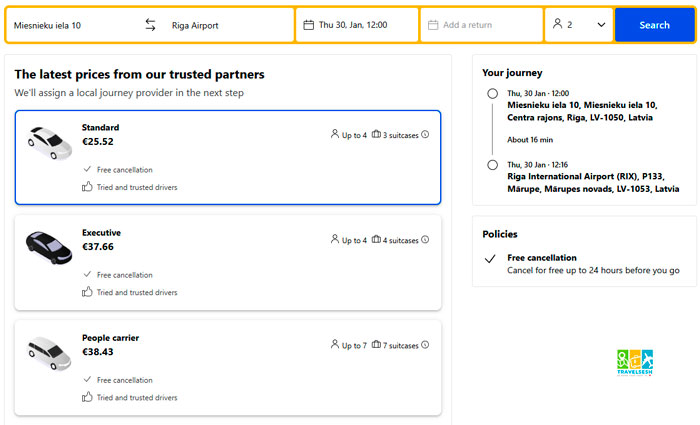
If you need a convenient and reliable way to get from your hotel to the airport or vice versa, consider the service Airport Taxi. Advantages of this method: you can book a transfer in advance, choosing the time and place. The cost of the trip is known in advance, without hidden surcharges.
How to book? Follow the link. You will be taken there, or select the “Airport Taxi” section. Specify the place of departure, airport and desired time. Confirm the order and receive confirmation by email.
Example of taxi calculation from hotel to airport.
During our stay in Riga we stayed at the hotel Amber Private Rooms, which is located in the very center of the city. The distance to Riga International Airport is approximately 10 km and it took about 15-20 minutes by taxi. We ordered a taxi online. The car arrived exactly at the appointed time, right at the hotel door, which was very convenient.
Route: City centre – Airport. Departures from the central bus station (Autoosta) and other stops in the centre. Travel time: about 30 minutes with departures every 10-20 minutes.
Cost: A ticket costs around 1.50 euros if purchased at kiosks or via the app, and 2 euros from the driver
Tip: Always plan your journey with plenty of time, especially during peak hours, to avoid missing your flight.
Parking in Riga: Cost and Features
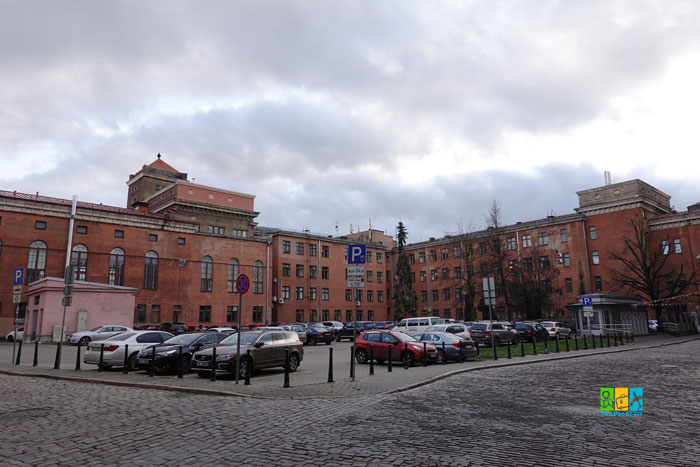
In the center of Riga, parking is mostly paid, and prices depend on the zoning of the city. The closer to the Old Town, the more expensive the parking.
- Blue zone (A) – the most expensive, located directly near the Old Town. Cost: about 5 euros per hour.
- Red zone (B) – covers the area near the center, a little cheaper. Cost: about 3 euros per hour.
- Yellow zone (C) – available on the outskirts of the center. Cost: about 2 euros per hour.
- Green zone (D) – the cheapest, located further from the center. Cost: around 1 euro per hour.
Parking can be paid for in several ways:
- Via parking meters (accepting cash and cards).
- Via mobile applications such as Mobilly or Riga Card Parking, which allow you to pay for parking quickly and conveniently.
Tips for tourists:
- If you plan to leave your car for a longer period of time, pay attention to special long-term parking lots, which are cheaper than hourly parking in the center.
- In the evenings and on weekends, parking may be free in some areas. Check the rules on site.
- It is important to avoid parking illegally, as fines can reach 30-50 euros or more depending on the violation.
Conclusion and tips
Riga is a city that captivates with its architecture, history and hospitality. To get the most out of your visit, plan your itinerary in advance, as there is so much to see and do here, from the Old Town to picturesque parks and unusual museums. Be sure to try traditional Latvian dishes and visit the Riga Central Market to immerse yourself in the atmosphere of local life.
Tips:
- Use public transport or rent a bike to get around the city conveniently.
- If you are traveling in winter, visit the Christmas market, and in summer, enjoy walks along the Daugava River.
- Pay attention to local souvenirs: amber, ceramics and, of course, Riga Black Balsam.
Riga is ready to surprise everyone who visits it and leave warm memories in your heart. Planning a trip to Riga? Find out what to see, where to stay and what places to visit in the Latvian capital.
There are no comments for this post. Comment or ask questions first