
Berlin is a city that combines a rich history, vibrant cultural life and modern style. The German capital has something to offer every tourist: from majestic monuments to cozy cafes, from world-class museums to interesting places for family vacations. This guide will help you plan your trip to make it as eventful as possible.

Where to stay
Berlin offers a wide range of accommodation options to suit every budget and preference. From budget hostels to luxury hotels, you’ll easily find the perfect option for your trip.
Budget level:
Meininger Hotel Berlin Hauptbahnhof — A hotel conveniently located near the central station, offering cozy rooms and affordable prices, ideal for short stays.
Generator Berlin Mitte — A stylish hostel in the city center that combines modern amenities with a unique atmosphere and its own bar, creating the perfect place for young travelers.
a&o Berlin Friedrichshain — A convenient option for family trips or travelers on a budget, it offers comfortable rooms in a cozy area of the city.
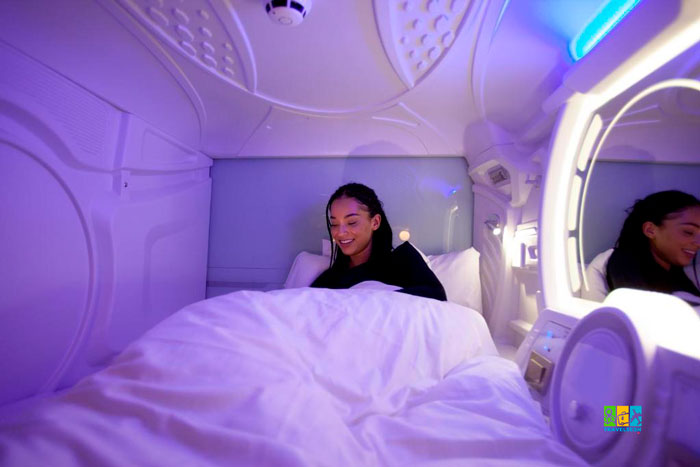
Hotel AMANO Grand Central — A modern hotel with spacious rooms and convenient access to major transport hubs.
Leonardo Hotel Berlin Mitte — A stylish hotel located in the heart of the city, close to the main attractions and business districts.
NH Collection Berlin Mitte Friedrichstrasse — An elegant hotel with a convenient location in the city center, which provides a high level of service for its guests.
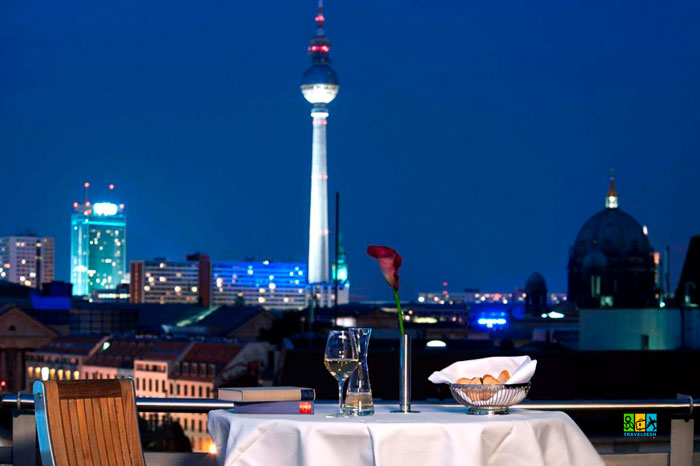
Hotel Adlon Kempinski — A legendary hotel located next to the Brandenburg Gate, striking with its luxurious atmosphere and rich history.
Hotel de Rome — An elegant hotel with exquisite service, located in a former bank building, offering exceptional comfort and historic charm.
The Ritz-Carlton, Berlin — A hotel with luxurious design, exquisite cuisine in its restaurant and a wonderful SPA area, created for true relaxation.
A brief history
Berlin was founded in the 13th century and played an important role in the formation of Germany as a state. In the 18th and 19th centuries, it became the capital of the Kingdom of Prussia and later the German Empire, experiencing periods of prosperity and economic development. The Second World War left a devastating mark on the city, after which Berlin became a symbol of the confrontation between two systems during the Cold War. In 1961, the Berlin Wall divided the city in two, and its fall in 1989 marked the beginning of a new era. Today, Berlin is a symbol of unity, innovation and cultural diversity, combining historical heritage with dynamic modern life.

Victory Column (Siegessäule)
The column was built in 1873 to celebrate Prussia’s victory in the wars of the 19th century. It is topped by a golden statue of Victoria, known locally as “Golden Elsa”. The column is decorated with bas-reliefs and mosaics depicting historical events. Climb to a height of 67 meters (285 steps) and enjoy panoramic views of Berlin, Tiergarten and the surrounding area.
Opening hours: April–October: Monday–Friday: 9:30–18:30. Saturday and Sunday: 9:30–19:00. November–March: Daily: 9:30–17:30
Ticket prices: Adults: €4. Children (under 14): €3
Getting there: Nearest underground station: Hansaplatz (U9). Buses: Lines 100 and 200 stop nearby.
Tip: Visit the column early in the morning or before sunset for the best photos. Don’t forget comfortable shoes – the steps are quite steep!

What to see
Brandenburg Gate (Brandenburger Tor)
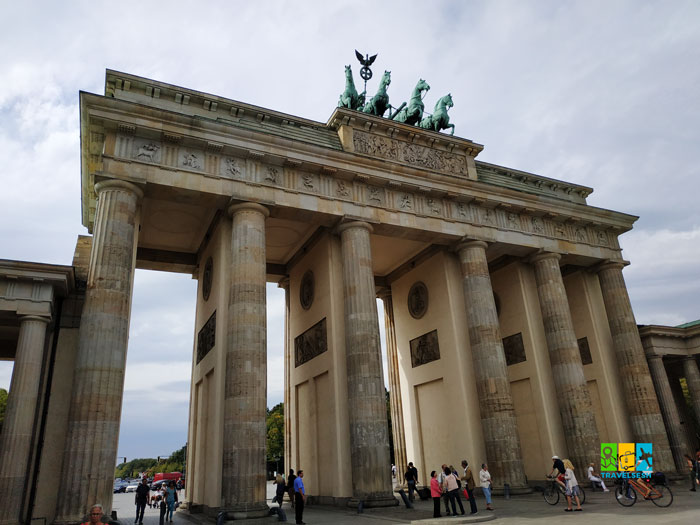
A symbol of Berlin and German unity. Built in the 18th century in the classicist style, it served as the royal entrance to the city. This landmark has been the site of important historical events, including the fall of the Berlin Wall in 1989. At night, the gate is illuminated, creating a wonderful atmosphere for photos and walks.
Tip: There is a tourist information center nearby where you can get city maps, buy souvenirs, or get tips for traveling around Berlin.
Unter den Linden
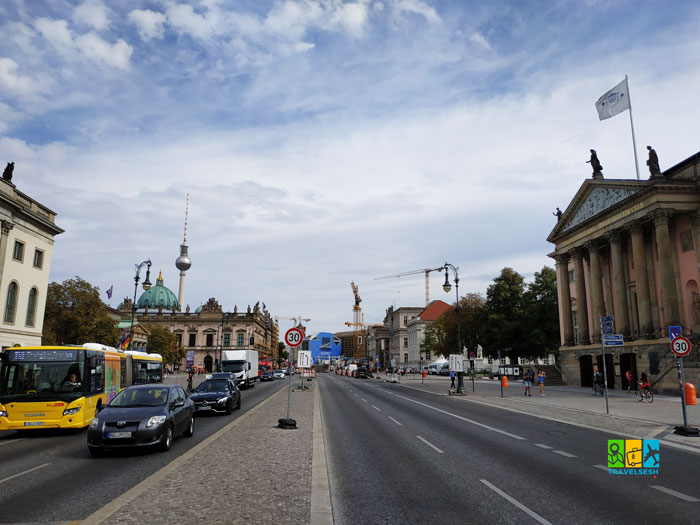
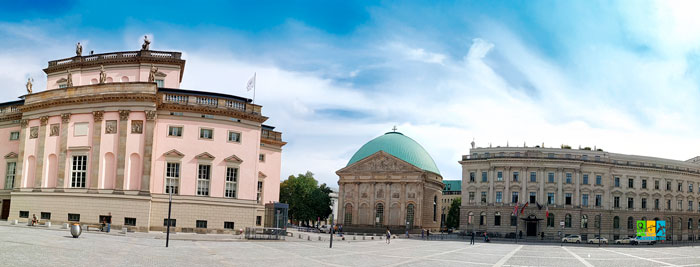
Unter den Linden, or “Under the Linden Trees,” is a famous boulevard in Berlin that stretches from the Brandenburg Gate (Brandenburger Tor) to the Berliner Dom. It gets its name from the linden trees that line the avenue, creating a cozy atmosphere for walks in any season.

- State Opera (Staatsoper Unter den Linden) – one of the oldest opera stages in Europe, which delights connoisseurs of musical art.
- Old Library (Alte Bibliothek) – an architectural masterpiece in the Baroque style, known for its elegant facade composition.
- Humboldt University of Berlin (Humboldt-Universität zu Berlin) – the oldest university in the city, famous for its scientific heritage.
The boulevard also has numerous cafes, restaurants and shops where you can relax, have a cup of coffee or enjoy German cuisine.
St. Hedwig’s Cathedral (St.-Hedwigs-Kathedrale)
This is one of the main Catholic shrines in Berlin, located on Bebelplatz. Construction of the cathedral began in 1747 by order of Frederick II, and it became the first Catholic church in the city after the Reformation. The architecture of the cathedral is inspired by the Roman Pantheon, with a majestic dome that is visible from afar.
This church is definitely worth visiting to experience the harmony of history and spirituality in the heart of Berlin.
Berlin Cathedral (Berliner Dom)
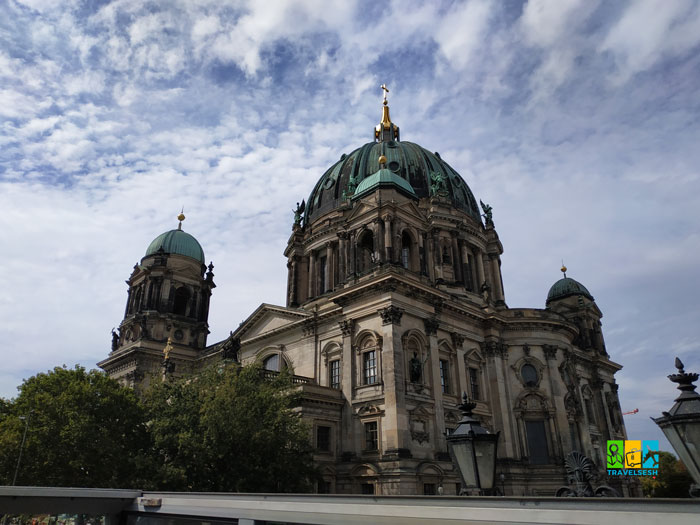
This majestic neo-Renaissance church is located on Museum Island and is one of the most recognizable symbols of Berlin. Its rich interior decoration impresses with gilding, marble and paintings, and the central dome rises above the city, creating an unforgettable silhouette. Inside the cathedral is a unique organ with almost 7,000 pipes – a true work of art. A special impression is left by the opportunity to attend a concert of organ music, which adds a sense of grandeur to this holy place. Do not miss the observation deck on the dome of the cathedral, from which a panoramic view of the city center opens.
Reichstag (Reichstagsgebäude)
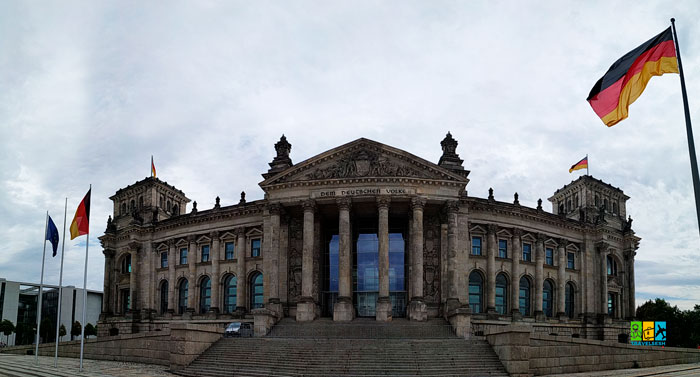
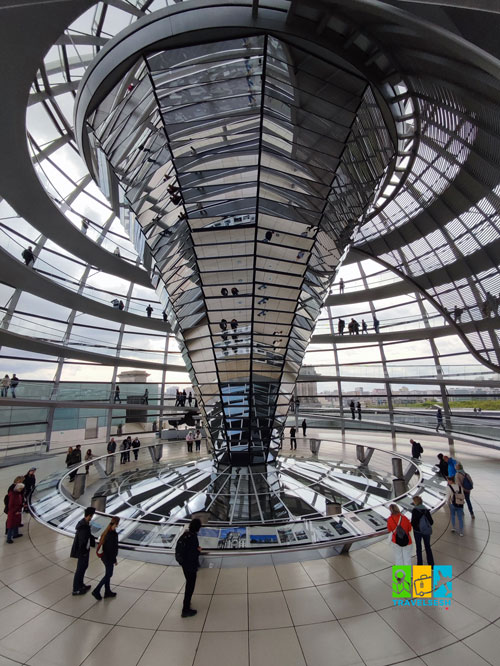
This is one of Berlin’s most famous buildings, home to the German parliament (Bundestag). Its modern feature is its transparent dome, which symbolizes the openness and democracy of the government. The dome offers panoramic views of the city, and an audio guide (available in several languages, including English) tells you about the building and the surrounding attractions.
How to get to the Reichstag
Pre-registration:
Admission to the dome is free, but pre-registration is required. You can register on the official website of the Bundestag. When registering, you must indicate the date, time of the visit and your contact details.
Confirmation of registration will be sent to your email. You must print it or save it on your phone to present at the entrance.
Alternative registration:
If you did not have time to register online, you can try to register directly at the visitor center near the Reichstag. However, please note that there may be no seats available. If you are unsure, it is better to book a Reichstag tour.
What to bring: Confirmation of registration, identity document (passport or ID card).
Best time to visit: morning or evening, when the view of the city is particularly impressive due to the play of light.

Duration of visit: On average, it takes 1-1.5 hours to see the dome.
Additional option: If you are interested in politics, you can sign up for a tour of the building with a visit to the plenary hall (also free).
Kurfürstendamm
Kurfürstendamm, or Ku’dam for short, is one of Berlin’s most famous streets, symbolizing luxury and style. The street is almost 4 km long and is considered the heart of the western part of the city.

On Kurfürstendamm you can find everything:
- Luxury boutiques of world-famous brands such as Chanel, Gucci, Prada and Dior, which are a real paradise for shopaholics.
- Historic buildings, in particular the Kaiser-Wilhelm-Gedächtniskirche, which is located nearby and is a symbol of peace and rebirth.
- Modern architecture with hotels, office buildings and shopping malls such as KaDeWe, one of the largest and most prestigious shopping malls in Europe.
It is a place where tradition and modernity blend harmoniously, and a walk along Ku’damm allows you to feel the dynamic rhythm of Berlin. The street is also filled with restaurants, cafes and coffee shops where you can take a break and enjoy the atmosphere of the big city.

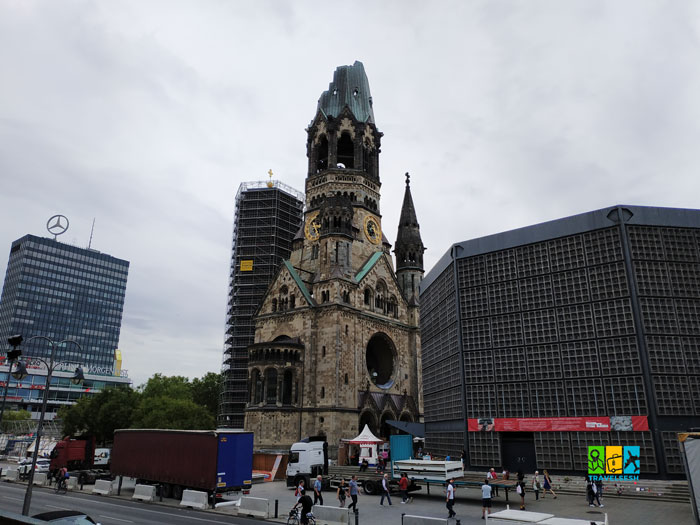
The ruins of this neo-Gothic church, destroyed during the bombings of World War II, have been preserved as a reminder of the tragic events and a symbol of peace. The old tower, known as the “empty tooth”, has become a unique historical artifact, and a modern memorial complex with a new church has been built next to it. Inside, you can see an exhibition dedicated to the history of the church, as well as the remains of the original mosaics. This place impresses with its atmosphere, combining grief and hope, and reminds of the importance of preserving peace.

Holocaust Memorial (Denkmal für die ermordeten Juden Europas)
In the heart of Berlin, near the Brandenburg Gate, is the Holocaust Memorial, a place that makes you think about the tragedy of the Jewish people during World War II. The complex consists of 2,711 concrete steles, arranged in a strict geometric shape, but of different heights.
Under the memorial is an interactive center, where the history of the Holocaust is revealed through documents, photographs and personal stories of the victims.
Important recommendation. It is worth remembering that the Holocaust Memorial is a place of remembrance and mourning. Although the concrete steles may seem attractive for photos, it is strictly forbidden to climb on them. This not only violates the rules, but also shows disrespect for the millions of victims of the tragedy to which the memorial is dedicated. The police ensure that no one climbs on the steles.

Potsdamer Platz (Potsdamer Platz)
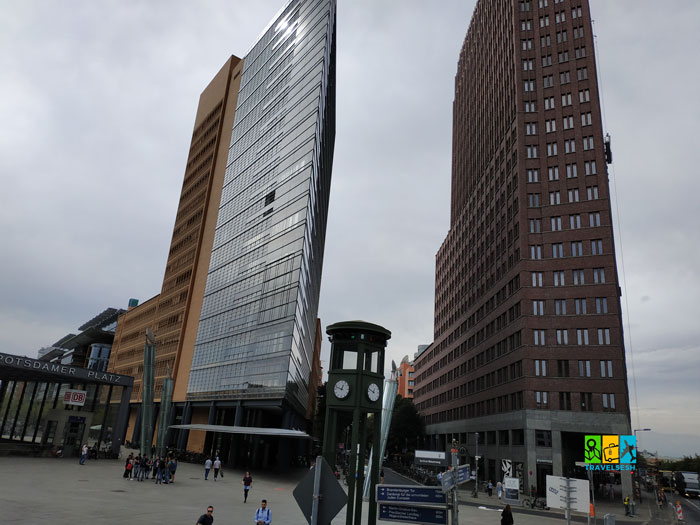
One of the most famous and lively squares in Berlin, it has become a symbol of the city’s post-war revival. The cozy square with its huge shopping malls, restaurants and cinemas was previously the center of city life, but during the division of Berlin into East and West it was divided, becoming part of the “empty zone”. After the fall of the Berlin Wall, the square became one of the main centers of the modern city, where many business and cultural facilities are concentrated.


Panoramapunkt
The observation deck is located on the 24th and 25th floors of the tallest building on Potsdamer Platz, the Lehmann-Hochhaus. It is one of the best places in Berlin to enjoy incredible views of the city. From the height, you can see many iconic landmarks, including the Brandenburg Gate, the TV tower on Alexanderplatz, and a section of the Berlin Wall.

Ticket prices: A standard ticket costs €13.50. Skip-the-line elevator ticket.
Tip: There is a cafe on the platform where you can enjoy a cup of coffee while looking out over the city.
This is the perfect place for those who want to see Berlin from above and get an impression of the city from the air!
Old Town
Gendarmenmarkt Square
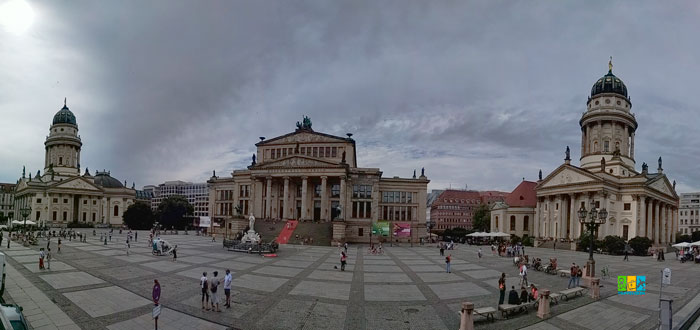
A true gem of Berlin, it is deservedly considered one of the most beautiful squares in Europe. Its unique atmosphere is created by two majestic cathedrals – the German (Deutscher Dom) and the French (Französischer Dom), which rise on both sides of the square. In the center is the elegant Concert Hall (Konzerthaus), which adds completeness to the ensemble. In winter, the square turns into a magical Christmas market with decorated stalls, festive lights and the aroma of mulled wine. This place is ideal for feeling the holiday spirit and taking bright photos.
Nikolaiviertel Quarter (Nikolaiviertel)
The oldest part of Berlin, which takes you back in time. Narrow cobbled streets, cozy cafes and unique 13th-century buildings create an atmosphere that is difficult to find in a modern metropolis. Here you can visit the ancient Nikolaikirche (Nikolaikirche), which gave the name to the quarter, or simply enjoy a leisurely walk among the picturesque facades. This place will be a real discovery for those who appreciate history and the spirit of antiquity. Entrance is paid, adults €7.

Fishers’ Island (Fischerinsel)
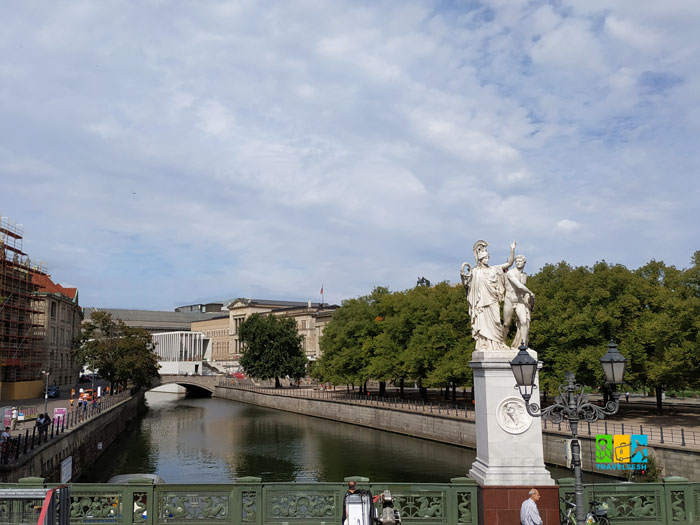
A former part of medieval Berlin with picturesque views of the Spree River. Here you can see the remains of historic buildings and modern sculptures that add to the area’s unique charm.
St. Mary’s Church (Marienkirche)
This ancient church, located near Alexanderplatz, is famous for its 14th-century frescoes and majestic organ. Inside, the atmosphere is reminiscent of the past.

Red Town Hall (Rotes Rathaus)
This neo-Gothic red brick building is one of the symbols of Berlin. Located next to the Nikolaevskiy Quarter, it serves as the city’s administrative center. The town hall tower offers a spectacular panoramic view of the city.

Neptune Fountain (Neptunbrunnen)
Located near the Red Town Hall, the fountain depicting the sea god Neptune and allegories of Germany’s four rivers is a late 19th-century work of art that has become a popular photo spot.
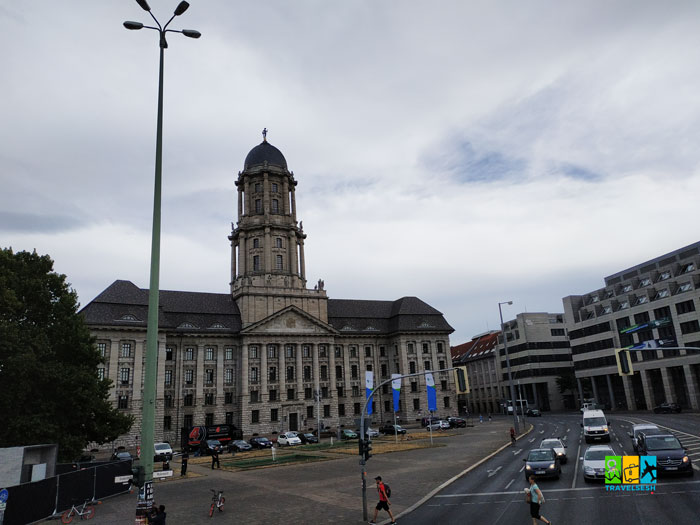
Old Town Hall (Altes Stadthaus)
This is a historic building located in the center of Berlin that once served as the city administration. Built in the late Renaissance style, this majestic structure was completed in 1708 and is one of the city’s important architectural landmarks.
Alexanderplatz
This is one of the liveliest and most iconic places in Berlin. Today, it is not only an important transport hub, but also the center of the capital’s cultural and social life.
The square is dominated by the Berlin TV Tower (Berliner Fernsehturm), the tallest building in Germany. At 368 meters high, it serves as a great landmark. This is a unique way to see the city from a bird’s eye view.
The climb to the TV Tower begins with a high-speed elevator, which in a few seconds will take you to the observation deck at a height of 203 meters. From here, breathtaking panoramas of Berlin open up: the Brandenburg Gate, the Reichstag, Museum Island and many other attractions.

Tickets: It is recommended to buy tickets online in advance to avoid queues. Buy a fast-track ticket without queues.
Opening hours: The TV tower is open daily, usually from 9:00 to 23:00 (times may vary depending on the season).

Tip: It is best to visit the TV Tower in the morning or before sunset, when the views are particularly impressive. Make sure it is a clear day, as views may be limited on cloudy days or during fog.
This is a place that is definitely worth including in your Berlin itinerary.

Next to the square is the Fountain of Friendship of Peoples (Brunnen der Völkerfreundschaft), created in the Soviet era, which has a symbolic meaning and serves as a tool of propaganda.
Alexanderplatz is surrounded by numerous shopping centers, cafes and restaurants. Here you can find everything from large brand stores to cozy places for a snack. In the evening, the square comes alive with the lights of advertising signs and a lively atmosphere.

Berlin Wall
The Berlin Wall was a symbol of the division of the city and the Cold War, so Berlin has many places associated with this historical legacy. Here are some key locations worth visiting:
Checkpoint Charlie
One of the most famous border crossings between East and West Berlin during the Cold War. Today, it is home to a reconstructed checkpoint, and a museum nearby where you can learn more about the escape attempts and life behind the Iron Curtain.

Berlin Wall Museum (Mauermuseum – Haus am Checkpoint Charlie)
Located near Checkpoint Charlie, this museum is dedicated to the stories of people escaping from East Berlin, as well as life under totalitarian control. Visit the Berlin Wall Museum at Checkpoint Charlie, buy tickets without queuing.
Berlin Wall Memorial (Gedenkstätte Berliner Mauer)
Located on Bernauer Straße, the memorial preserves original fragments of the wall, a watchtower, and a death strip. The information center offers exhibits on the history of the wall and its impact on the city’s residents.

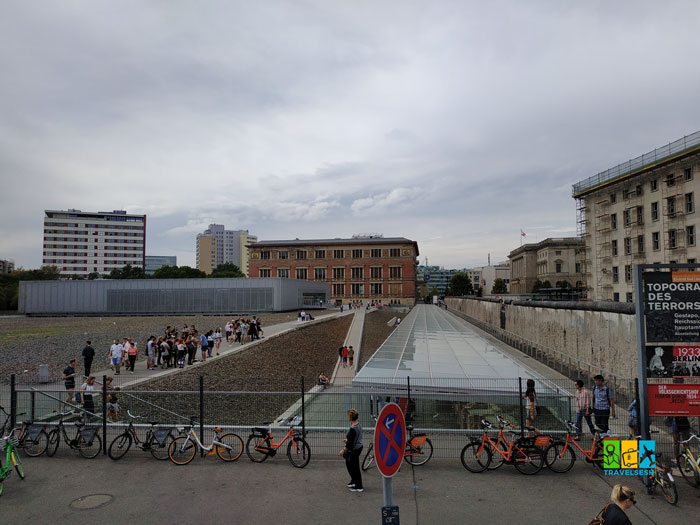
Topography of Terror (Topographie des Terrors)
This is one of the most important museums in Berlin, dedicated to the complex and tragic pages of German history. Located on the site where the Gestapo, SS and security services were headquartered during the Nazi regime, the museum serves as a reminder of the horrors of the dictatorship. The museum preserves the remains of the foundation of the Berlin Wall, which gives this place even greater historical significance. The open part of the exhibition allows you to walk among the ruins and learn more about this period of history. This is a place that leaves a strong emotional impression, makes you think about the lessons of history and their significance for the present. Admission is free.
Oberbaumbrücke
This historic bridge over the Spree River has become a symbol of Berlin’s reunification. It once served as the border between East and West Berlin, and today is a popular place for walking and taking photos.
Next to the bridge is the most famous fragment of the Berlin Wall – the East Side Gallery, the longest open-air gallery in the world. It is decorated with over 100 murals created by artists from different countries. Among them is the legendary mural Die Berliner Mauer (The Berlin Wall), which symbolizes freedom, unification and hope.

Take part in one of the Berliner Mauerweg walking tours. This is a 160 km long cycling or walking route that passes through the places where the wall once stood, with numerous information boards.
Entertainment for children
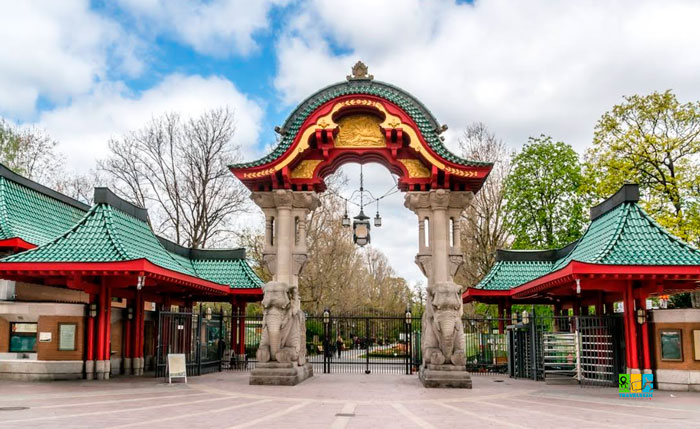
Berlin Zoo (Zoologischer Garten Berlin)
This is one of the oldest and most famous zoos in the world, founded in 1844. Located in the heart of the city, it is home to over 20,000 animals, including rare species such as giant pandas. The zoo is equipped with interactive areas where children can observe animals up close, as well as spaces for relaxation and entertainment.
Features of the Berlin Zoo:
The zoo is famous for its diverse collection, which includes about 19,400 animals representing about 1,380 different species. This makes it one of the richest zoos in the world in terms of the number of species. The zoo has a variety of enclosures, pavilions and themed areas that imitate the natural habitat of the animals. Among them:
Hippopotamus House: where you can observe the life of these majestic animals.
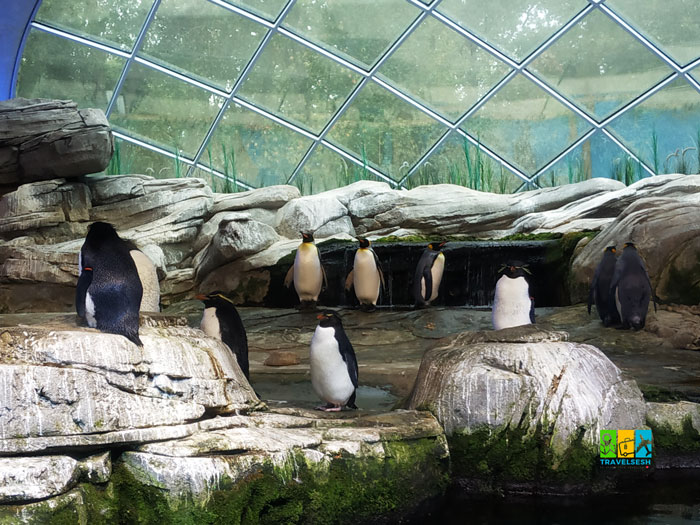
Penguin World: where you can see different species of penguins.
Bird World: an impressive collection of birds from all over the world.
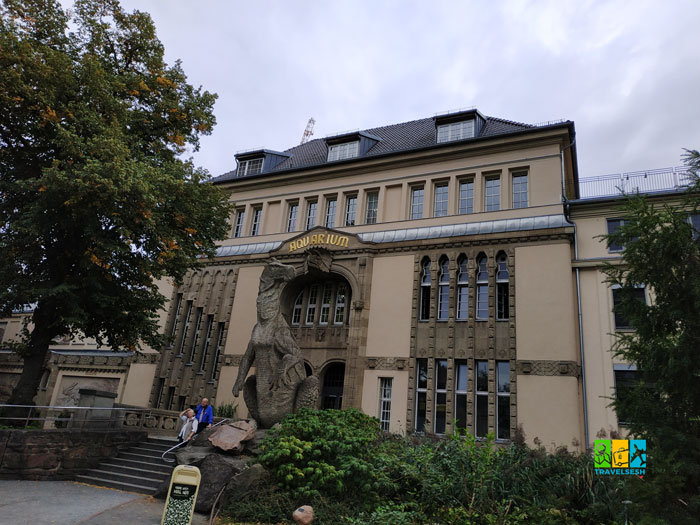
Aquarium: one of the largest aquariums in Europe with a variety of marine and freshwater inhabitants.
Panda Garden: where you can see cute pandas.

Ticket prices:
Zoo: Adults €16, Children (4-15 years): approx. €7.50
Zoo + Aquarium: Adults €24, Children (4-15 years): €11
Children under 4 years free.
There are also family tickets, which are more advantageous for families with children.
Opening hours:
January 1 – February 23, October 27 – December 31 9:00 – 16:30. Last admission: 15:30
February 24 – March 30, March 31 – September 21, September 22 – October 26: 9:00 – 18:00. Last admission: 17:00
Important to note: The ticket offices close one hour before the zoo closes. Some pavilions and enclosures may close earlier.

Features of the Berlin Aquarium:
Large collection of aquatic creatures: The aquarium contains one of the largest collections of aquatic creatures in Europe. It presents not only fish, but also reptiles, amphibians, invertebrates and even some insects.
A visit to the aquarium is often combined with a visit to the zoo itself, as they are located on the same territory. There are combination tickets that allow you to visit both places.
LEGOLAND® Discovery Centre Berlin
Berlin doesn’t have quite the “Legoland” in the usual sense, like a large outdoor amusement park like Legoland in Germany (near Günzburg) or Denmark (Billund). Berlin is home to the LEGOLAND® Discovery Centre Berlin, an indoor entertainment centre aimed at children aged 3 to 10.
It’s a place where children can immerse themselves in the world of LEGO, play with millions of bricks, build, construct and have fun. There are different areas: MINILAND: Miniature replicas of famous landmarks in Berlin and other cities, built with LEGO. LEGO Factory: The opportunity to see how LEGO bricks are made.

Ticket prices:
It is recommended to buy tickets online in advance to avoid queues and guarantee your entrance.
Buy tickets online for LEGOLAND Discovery Center Berlin and Madame Tussauds in Berlin.
Address: LEGOLAND Discovery Centre Berlin, Potsdamer Straße 4, 10785 Berlin, Germany.
Tropical Islands Water Park
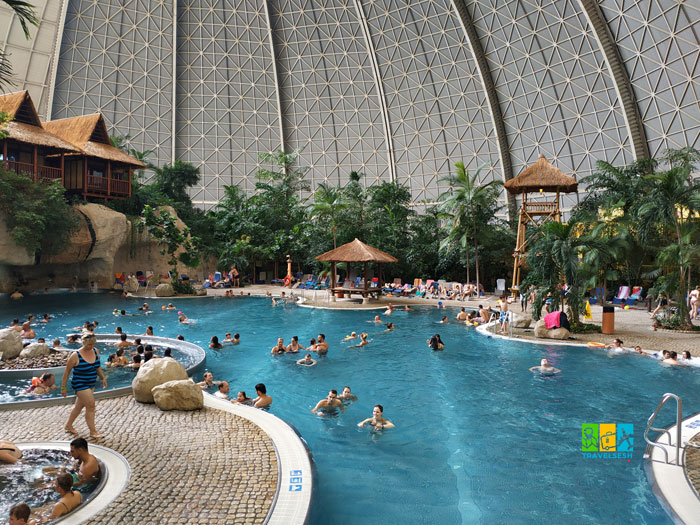
This is a unique indoor water park and resort located in a former airship hangar 70 km south of Berlin, near the town of Krausnick. It is one of the largest indoor water parks in the world, offering visitors a tropical atmosphere all year round.
Features of Tropical Islands:
A huge indoor space: The hangar is 360 meters long, 210 meters wide and 107 meters high, which creates the impression of a real tropical island under the roof.
Tropical forest: Inside the hangar is the world’s largest indoor tropical forest with over 50,000 plants.
There are sandy beaches, pools with artificial waves, lagoons and water slides for all ages. The water park is divided into different thematic zones, such as “Tropical Village”, “Sauna and Spa Complex”, “Amazonia” and others, each of which has its own unique atmosphere.
The complex has hotel rooms, bungalows and a campsite, which allows you to stay here for several days.

How to get there:
By car: The most convenient way to get to the Tropical Islands is by car. From Berlin, take the A13 autobahn towards Dresden and then take the Krausnick exit. Car rental in Berlin.
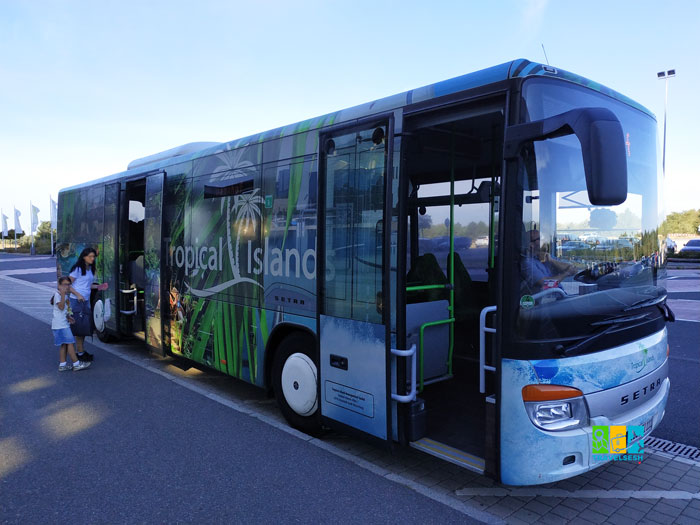
By train and bus: From Berlin Hauptbahnhof, take the RE2 or RB14 regional train to Brand station (Niederlausitz), and from there take the free bus to the Tropical Islands. Or from the central station you can order a taxi, the cost is approximately 110 euros one way.
Cost:
Prices for visiting the “Tropical Islands” depend on the day of the week, time of visit and services selected. For up-to-date information on prices and to purchase online, you can purchase a day ticket to the Tropical Islands resort, or book a room and enjoy this wonderful place 24/7, the use of the water park is included in the price.

Samurai Museum Berlin
Samurai Museum in Berlin is the only museum in Europe dedicated to samurai culture, and one of the world’s most important private collections. Over 4,000 original objects allow you to immerse yourself in the atmosphere of the Japanese warrior era through interactive exhibits, modern media technologies and traditional performances. The museum presents samurai swords and armor – famous examples of Japanese blacksmithing. Interactive halls that allow you to get to know the traditions of warriors better. Exhibitions dedicated to Japanese culture and religious aspects.
Opening hours:Open daily: from 10:00 to 19:00
Cost: The cost depends on the day and time of visit, and how much you book a ticket for. The museum offers a Flex ticket, an unlimited ticket that can be purchased without being tied to the date and time of visit.
Getting there: The museum is located in the Mitte district, at Auguststraße 68. The most convenient way to get there is by underground to the Oranienburger Tor station (line U6) or by tram (line M1).
Tip: Allow at least two hours to fully immerse yourself in the world of the samurai and appreciate all the unique exhibits.

Berlin Card: Your Key to Museums and Sights
The Berlin Card (Berlin WelcomeCard) is a convenient tourist pass that makes traveling around the city as comfortable and profitable as possible. It allows you to use public transport without restrictions, including buses, trams, subways and suburban trains, and also offers discounts of up to 50% on admission to over 200 museums, sights and cultural institutions.
What are the options?
- Zones AB: Covers the center of Berlin. Buy a Zone AB Card
- Zones ABC: Includes Potsdam and the airport. Buy a card for the ABC zone
Prices: The cost of the card depends on the duration (1, 2, 3, 4, 5 or 6 days). You choose the number of days you need.

Free transportation.
Discounts on popular museums such as the Pergamon Museum and the New National Gallery.
Special offers on excursions, Spree cruises and restaurants.
Where to buy?
At airports, train stations or online.
Tip: If you plan to visit several museums and actively use transport, the card will quickly pay for itself. We bought a card for 48 hours, calculated the time in such a way that we could visit the planned museums and get to the airport for free at the end of the trip.
It is also convenient to download the mobile version of the card to avoid having to carry a paper version.
Now, armed with the Berlin Card, you can embark on a journey to the city’s most interesting museums!
Berlin Museums: History, Art and Inspiration
Berlin is famous for its rich museum heritage, which reflects various aspects of history, art and culture. Below is a list of museums that are definitely worth visiting, with details for planning.
Museum Island (Museumsinsel)
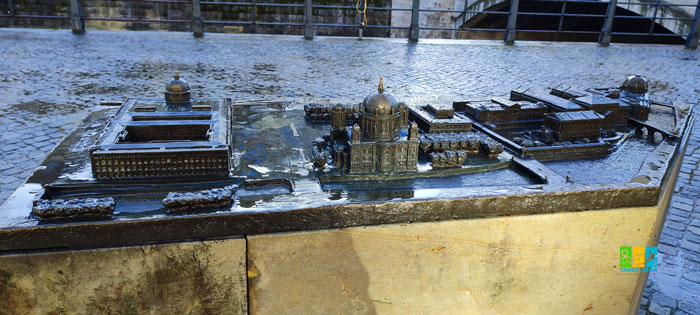
This unique museum complex, listed as a UNESCO World Heritage Site, brings together five of Berlin’s most important museums.
Pergamon Museum
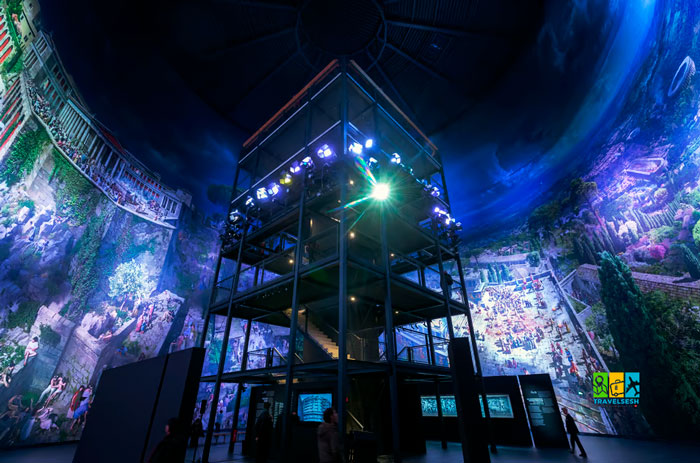
Home to architectural masterpieces such as the Pergamon Altar and the Ishtar Gate. Partly under reconstruction, but still open to the public. Currently only “Pergamonmuseum. The Panorama” is open. It features a 360-degree panorama of ancient Pergamon, created by artist Yadegar Azizi. Buy tickets for the exhibition The Panorama.
Altes Museum
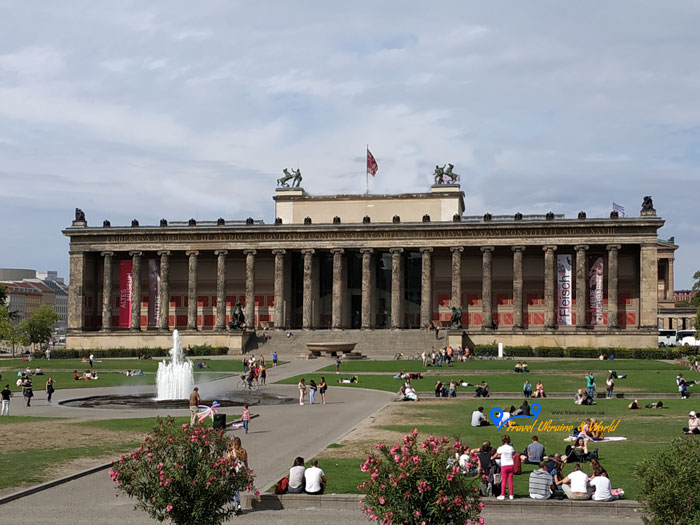
This museum is dedicated to the art and archaeology of Ancient Greece and Rome. Visitors can see unique sculptures, vases, coins and other artifacts representing the culture of the ancient world.
Opening hours: Monday: Closed. Wednesday, Friday: 10:00–17:00. Saturday: 10:00–18:00
Ticket prices: Standard ticket: €12. It is recommended to buy tickets online to avoid the queues.
Tip: Pay special attention to the exhibition dedicated to ancient Rome, which displays everyday objects and decorations that highlight the sophistication of that era.
New Museum (Neues Museum)
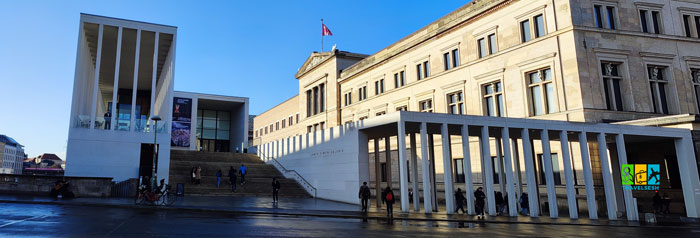
This museum is known for its rich collection of artifacts, among which the famous statuette of Nefertiti – a masterpiece of ancient Egyptian art – occupies a special place. In addition, numerous Egyptian artifacts, prehistoric finds and exhibits telling about the life of ancient civilizations are presented here.
Opening hours: Monday: closed. Tuesday-Sunday: 10:00-18:00. Thursday: 10:00-20:00
Ticket prices: Standard ticket: €14. Tickets can be purchased online to skip the line.
Tip: Make time for the prehistoric section, where you can see unique exhibits illustrating the evolution of humanity. Be sure to visit the Nefertiti Hall to see this incredible work of art up close.
Old National Gallery (Alte Nationalgalerie)
This gallery is a true treasure trove of 19th-century art. It houses works by German Romantics such as Caspar David Friedrich, as well as Impressionists such as Claude Monet, Édouard Manet and others.
Opening hours: Monday: Closed. Tuesday–Sunday: 10:00–18:00. Thursday: 10:00–20:00.
Ticket prices: Standard ticket: €12. Tickets are available online, which saves time.

Bode Museum
This museum impresses with its collection of sculptures from the Middle Ages to the 18th century, as well as an exhibition of coins and medals, which is one of the largest in the world. The dome of the museum building and the panoramic view of the Spree add a special charm to your walk.
Opening hours: Monday: Closed. Tuesday–Sunday: 10:00–18:00. Thursday: 10:00–20:00.
Ticket prices: Standard ticket: €12. You can purchase tickets in advance.
Tip: To maximize your visit, plan your Museum Island itinerary to include several sites throughout the day.

Trabi Museum (Trabi-Museum)
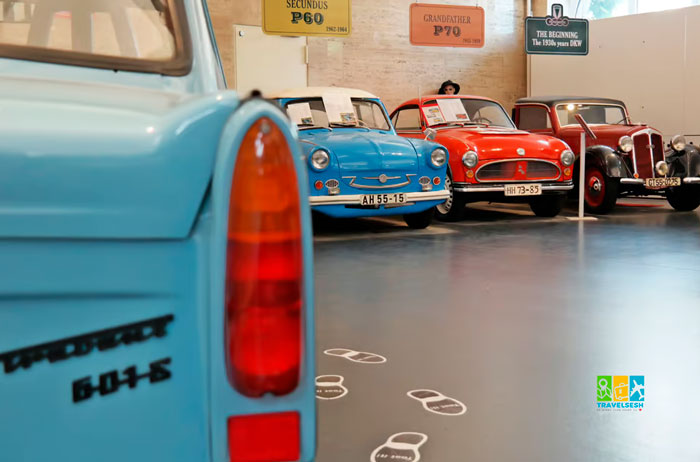
This is an ode to the legendary Trabant car, which became a symbol of the GDR and German reunification. In the small but atmospheric exhibition you will see different models of the Trabant, including rare copies, modifications and even cars that took part in films. Each car tells its own story.
In addition to the cars, the museum displays artifacts from the time that will help you immerse yourself in the atmosphere of everyday life of the era.
Opening hours: Daily: 11:00–16:00.
Ticket price: Adults: €9. Children: up to 12 years old free. Tickets can be purchased online without having to queue, or directly on site.
Tip: The museum is located next to Checkpoint Charlie, so it’s convenient to combine it as part of one itinerary.
We recommend! 75 minutes behind the wheel of a legend: Trabi Safari in Berlin
Dreaming of a unique adventure in the heart of Berlin? Get behind the wheel of the iconic Trabant car and set off on a Trabi Safari! In just 75 minutes you will see the main sights of the city, feel the spirit of East Germany and take the most vivid photos!
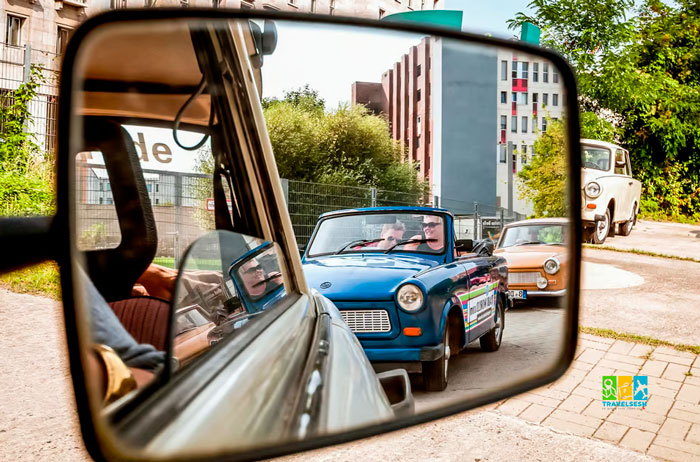
- A fascinating route through the iconic places of Berlin. Pass the Brandenburg Gate and the Berlin Wall.
- A unique experience driving a real “Trabi”! Get a Trabant driver’s license.
- Interesting stories from the audio guide.
Important: driver’s age from 18 years; driving license category B; full fitness to drive. Maximum for 4 people or weighing up to 330 kg/727 lbs.
THE WALL: asisi Panorama Berlin
This unique exhibit transports visitors to Berlin during the Cold War. A giant panorama by renowned artist Yadegar Asisi recreates life along the Berlin Wall in the 1980s. With a 360-degree view and detailed atmosphere, you will find yourself in the heart of the city divided by the wall. This is not just an exhibition – it is an immersion into the everyday life of an era full of tension and hope.Opening hours: Monday-Sunday: 10:00–18:00
Price: Adults €14. Children under 6 years old are free. Buy your ticket online without waiting in line.
Location: Friedrichstraße 205, near Checkpoint Charlie.
Good to know: The panorama is complemented by audio and video materials that explain the context and provide a new perspective on the Berlin Wall.

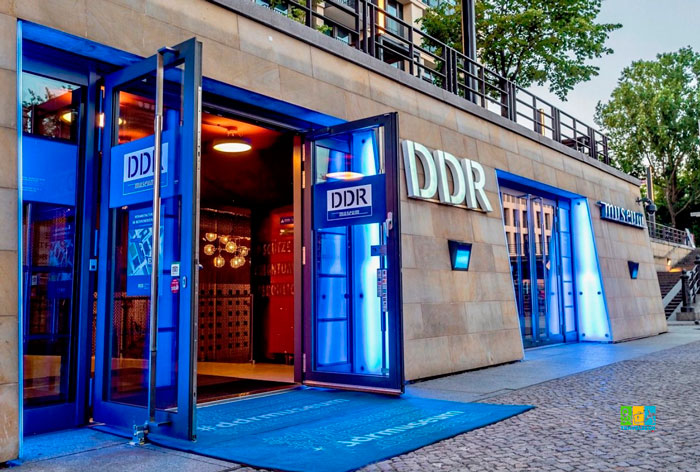
DDR Museum
This is an interactive space that allows you to immerse yourself in everyday life in the German Democratic Republic (GDR). Here you will find authentic apartment interiors, see Soviet Trabant cars, explore everyday objects and equipment, and learn how the planned economy system worked.
The museum offers more than just exhibits, but a living experience – you can feel like a resident of the GDR: sit in a Trabant, look into a refrigerator or try out an educational simulation of the espionage system.
Opening hours: Daily: 9:00–21:00.
Cost: Adults €18.50, Children under 6 years old free. We recommend visiting in the morning and buy a ticket online without waiting in line.
Location: Karl-Liebknecht-Str. 1, next to Berlin Cathedral. The museum is located right on the banks of the Spree and is one of the most visited museums in Berlin.
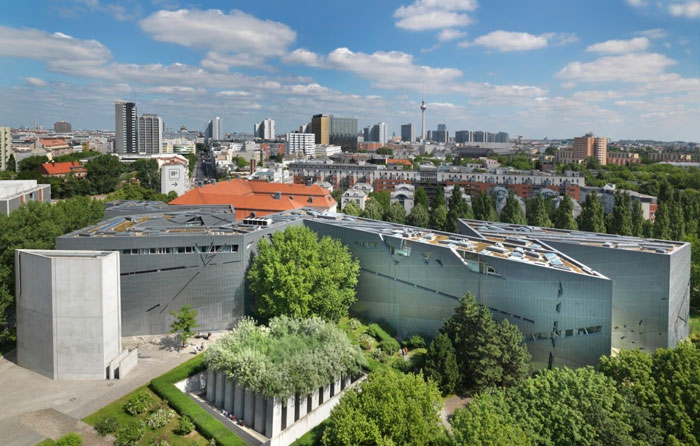
Jewish Museum (Jüdisches Museum Berlin)
Libeskind’s architectural masterpiece tells the story of the life of the Jewish community in Germany. The exhibition covers a thousand years of history, as well as the tragic events of the Holocaust. The “Empty Tower” and the “Chaleet” installation are particularly impressive.
Opening hours: daily from 10:00 to 18:00. Last admission: 17:00
Ticket price: Free
Tip: Set aside time for the interactive areas and thematic exhibitions.
Technical Museum (Deutsches Technikmuseum)
A great place for family vacations. It displays old locomotives, airplanes, ships and technological achievements from different eras. Be sure to visit the aeronautics hall.
Opening hours: Closed on Mondays. Tuesday – Friday: 9:00 – 17:30. Saturday, Sunday, public holidays: 10:00-18:00. Last admission: 17:00
Ticket prices: Adults: online €12, at the box office €13. Free for children under 16
Tip: There is a park near the museum where you can relax after the tour.

Ethnological Museum (Ethnologisches Museum)
Located in the Berlin-Dahlem Museum Complex (Museen Dahlem), this museum is a treasure trove for those interested in ethnography and cultural studies. Its rich collection includes artifacts from Africa, Asia, America, and Polynesia. From unique ritual masks to ancient textiles, each exhibit tells the story of the peoples, their traditions, and beliefs.
Opening hours: Tuesday–Sunday: 10:00–18:00. Monday: closed.
Castle cellar, video panorama, sculpture hall, ethnological museum and Asian art museum,
Free admission, no need to book tickets.
Tip: If you want to discover the cultural heritage of other continents, this museum is the perfect choice for you.
Museum of Natural History (Museum für Naturkunde)
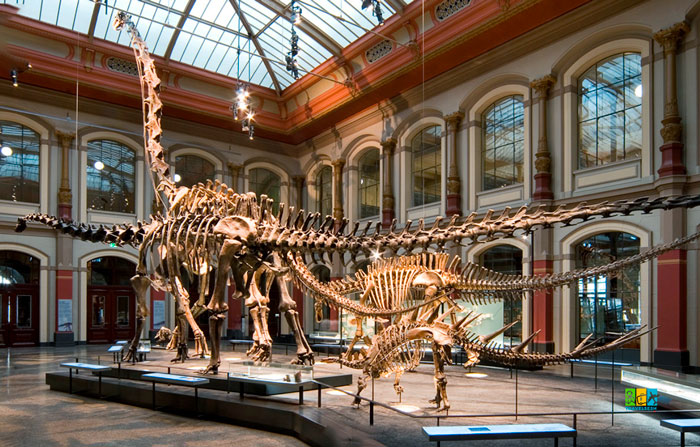
The Museum of Natural History in Berlin is one of the largest natural history museums in the world. Its collection includes over 30 million exhibits, including unique dinosaur skeletons, meteorites, minerals and specimens of rare animal species.
Main exhibits:
- Brachiosaurus brancai is the world’s tallest dinosaur skeleton, officially listed in the Guinness Book of Records.
- A bird hall with over 1,300 species from different parts of the world.
- An interactive exhibition on evolution and biodiversity.
- A meteorite collection that allows you to touch the history of the solar system.
Opening hours:Tuesday-Friday: 9:30 AM-6:00 PM. Saturday, Sunday and public holidays: 10:00 AM-6:00 PM. Last admission 30 minutes before closing.
Ticket prices:Adults: €11. Children under 18: free. Family ticket: €18. Buy tickets online without waiting in line.
Address: Invalidenstraße 43, next to the main train station (Hauptbahnhof).
Tip: Visit the museum early in the morning to avoid large groups of visitors, and don’t miss the virtual simulations in the interactive areas. This place, which combines science and entertainment, will be interesting for both children and adults!
Luftwaffe Museum (Militärhistorisches Museum der Bundeswehr – Flugplatz Berlin-Gatow)
This museum is located on the territory of a former airfield in the Gatow area and is dedicated to the German air force. The exhibition covers both the history of the Luftwaffe during World War II and the modern development of aviation. Among the exhibits are real military aircraft, helicopters, aviation equipment and unique documents.
Of particular interest are the outdoor areas with large exhibits that allow you to examine the design of aircraft in detail.
Opening hours: Tuesday to Sunday from 10:00 to 18:00. The museum is closed on Mondays – except for public holidays.
Entrance: Free
Getting there:From the center of Berlin, the most convenient way to get there is by bus X34 or M49 to the “Kurpromenade” stop, and then walk to the museum.
Tip: Be sure to wear comfortable shoes, as the museum is quite large, and you will have to walk a considerable distance to view the open-air exhibits.

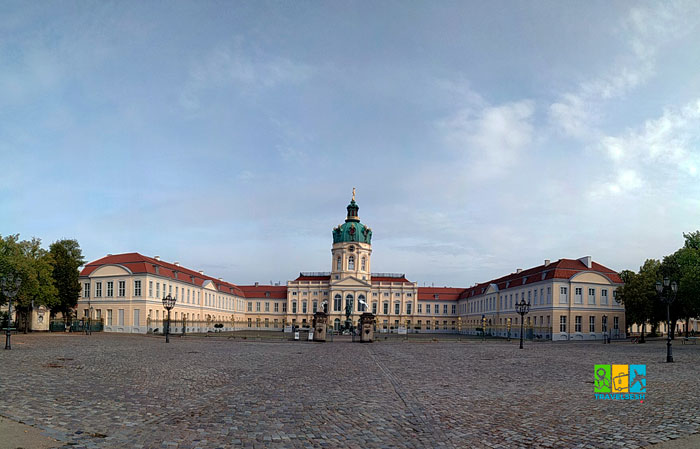
Charlottenburg Palace (Schloss Charlottenburg)
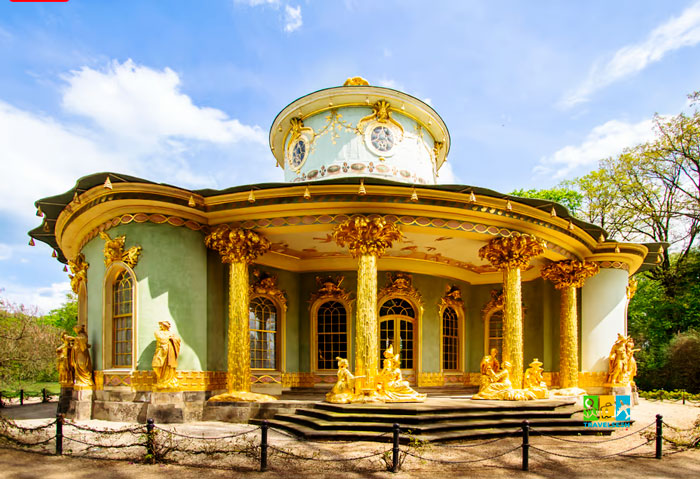
The largest and most magnificent palace in Berlin, built in the Baroque and Rococo styles. It served as the residence of the Prussian kings, and now opens its doors to visitors who want to immerse themselves in the atmosphere of royal life. The interiors of the castle impress with luxurious halls, among which it is worth noting the Hall of King Frederick the Great and the Chinese Pavilion. The collection of porcelain, paintings and antique furniture is one of the richest in Europe.
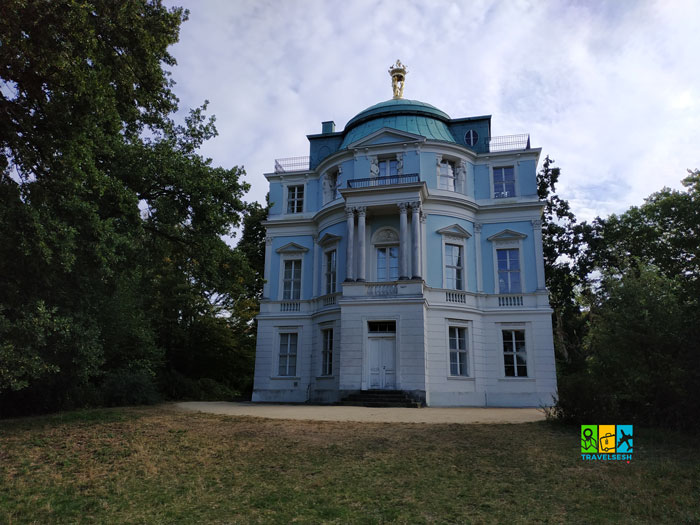
- Belvedere Charlottenburg – a small pavilion, which currently exhibits a collection of royal porcelain.
- Mausoleum in Charlottenburg Park (Mausoleum im Schlossgarten Charlottenburg) – the burial place of Queen Louise and other members of the Prussian royal family.
- New Pavilion in Charlottenburg Park (Neuer Pavillon im Schlossgarten Charlottenburg) – an elegant Italian-style building, which It served as the summer residence of King Frederick William III.
The park surrounding the castle is a true oasis of peace, decorated in French and English styles. It is ideal for walks among the manicured lawns, sculptures and ponds.
Location: Spandauer Damm 10-22, Berlin.
Ticket price: €19 (concessions €14) for the main palace. Additional ticket required for the Belvedere, Mausoleum and New Pavilion. Buy an entrance ticket to Charlottenburg Palace with New Pavilion.
Opening hours: >Summer season (April-October): Tue-Sun, 10:00-17:00. Winter season (November-March): Tue-Sun, 10:00–16:30.

Villa Liebermann (Villa Liebermann)
This elegant villa on the shores of Lake Wannsee belonged to the famous artist Max Liebermann. The house was built in 1909 as the artist’s summer residence. Today it is a museum dedicated to his work and life. The exhibition contains paintings, drawings, personal belongings of the artist, as well as archives that tell about difficult historical times.
A special atmosphere is created by the garden, which Liebermann himself designed and often depicted in his works. A walk through the garden gives an idea of how the master combined nature and art. Sit on the terrace, drink a cup of coffee.
Location: Colomierstraße 3, Wannsee. You can get there by public transport: Train (S-Bahn) Lines S1 or S7 to Wannsee station. Then walk for about 15 minutes along Colomierstraße or take the bus. Bus lines 114 or 218 to the Liebermann-Villa stop. The stop is located next to the entrance to the villa.
Ticket price: €10 (concessions – €6).
Opening hours: Except Tuesdays 11:00–17:00.
Tip: Visit the villa in spring or summer, when the garden is particularly picturesque.

Spandau Citadel (Zitadelle Spandau)
One of the best-preserved Renaissance fortresses in Europe. Located in the picturesque Spandau district at the confluence of the Havel and Spree rivers, it was built in the 16th century to protect the city from enemies. Today, it is not only a historical site, but also a popular cultural destination for tourists and locals.
The citadel has four bastions that form a sturdy star-shaped structure. Within its boundaries are:
- Juliusturm – the oldest part of the citadel, dating back to the 13th century. From its top, you can enjoy a stunning view of the surroundings.
- Museum in der Zitadelle – exhibits artifacts that tell the history of the fortress and its role in different eras.
- Exhibition spaces – modern galleries that host art exhibitions and cultural events.
Throughout the year, the fortress hosts numerous festivals, concerts and medieval fairs. The summer open-air music festival is particularly popular.
Location: Am Juliusturm 64, Berlin-Spandau. Getting there: By train: S-Bahn line (S3, S9) to Spandau station. Underground: U7 to Altstadt Spandau station. By bus to Zitadelle stop.
Ticket price: €4.5 (concessions – €2.5).
Opening hours: April to October: Mon-Sun, 10:00–17:00. November to March: Mon-Sun, 10:00–16:00.
Tip: It is recommended to set aside a few hours to explore the citadel and walk around the surrounding areas of Spandau, which have their own special historical charm.

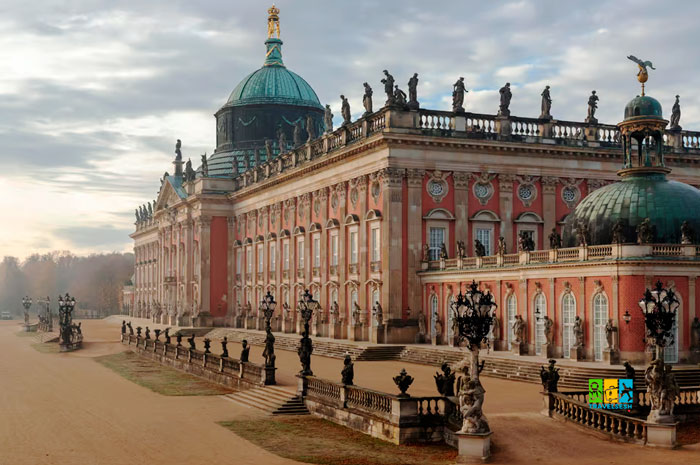
New Palace (Neues Palais Potsdam)
Located in the southwestern part of the famous Sanssouci Park, the New Palace is a symbol of the luxury and power of the Prussian monarchy.
The palace impresses with its magnificent halls, among which stands out the Mosaic Hall with thousands of crystal stones and pearls, as well as the theater, which is still used for performances. The galleries display a wealth of 18th-century art, including unique furniture, sculptures and paintings.
Getting there:
Potsdam is easy to reach from Berlin by S-Bahn line S7 or regional train RE1. From Potsdam train station, buses and trams will take you to the entrance to Sanssouci Park. Then you can stroll through the park, enjoying the views, to the New Palace.
Or we recommend you enjoy an interesting tour of the city of Potsdam and visit the fascinating castles of Sanssouci, Cecilienhof and New Palace. Audio guide included in English, Italian, russian, Spanish, French.
Sachsenhausen
A concentration camp that has become a symbol of the tragic pages of the history of World War II. Located near Berlin, this memorial complex reveals to visitors the terrible reality of the life of prisoners during the Nazi regime. Numerous objects have been preserved on the territory: barracks, watchtowers, a crematorium and exhibition halls with documentary materials. A tour allows you to better understand the events of that time, the fate of Jewish prisoners and other groups persecuted by the Nazis.
Opening hours: From March 15 to October 14: 8:30–18:00. From October 15 to March 14: 8:30–16:30.
Cost: Admission is free, but donations to support the complex are welcome.
Group tours: from €20 per person (pre-registration required). Alternatively, you can book a bus tour from Berlin.
How to get there on your own: Take the S1 train to Oranienburg station (about 45 minutes from central Berlin). From the station, take bus 804 or a 15-minute walk.
Tip: Bring comfortable shoes, as the area is large. We recommend using the services of a guide or downloading an audio guide for a deeper understanding of the context of the events.
Interesting and unique tours in Berlin
Berlin offers many options for exploring its history, culture and modern rhythm of life.
Hop-On Hop-Off Bus Tour with Boat Option on the Spree River is a great way to see Berlin from the water and on land.
During your trip you will receive: 24-hour or 48-hour ticket for two hop-on hop-off bus routes (depending on the option selected). Multilingual audio guide in 14 languages. Headphones. Maps for orientation in the city.
24/48-Hour Ticket: Board the bus at any stop during operating hours. The first Red Line bus departs at 9:45 AM and the last for the full 2-hour tour is at 3:20 PM. The first Blue Line bus departs at 10:00 AM and the last for the full 45-minute tour is at 3:00 PM.
48-hour ticket:
- 1.5-hour walking tour of the 3rd Reich and the Cold War with a live guide
- 75-minute evening bus tour with a live guide (+ evening tour).
- 1-hour boat cruise with audio guide (only with the option that includes a boat).

Nightlife in Berlin: visiting the Icebar is an unusual experience that will give you the opportunity to immerse yourself in the world of ice. In just a few minutes you will find yourself in a room where everything – from the furniture to the bar – is made of 69,000 kilograms of ice.
The ticket price includes 3 drink tokens. First you enjoy a welcome cocktail in the lounge, and then you dress up in warm clothes to feel the atmosphere of the Icebar. Here you can exchange your tokens for beer, cocktails or soft drinks, and also get the chance to admire the ice sculptures and atmospheric lighting.
Icebar Berlin is a real ice wonderland, where every drink is served in glasses made of ice and the temperature inside is -10°C. This is the perfect opportunity for those who want to make their night in Berlin even more unforgettable!

The 3-hour Secret Food Tour in Berlin is a unique opportunity to taste local dishes and explore a city that combines history and modernity. Start your tour at the legendary Mustafa Kebab to experience the spirit of Berlin street food. Then you will delve into the secrets of the historic center, passing through courtyards and street art. You will be treated to a traditional German cookie, Flammkuchen (Tarte Flambee) with a glass of local wine in a historic restaurant, Currywurst, which you will taste in one of the best places in the city.
End your tour at a local brewery, where you will be treated to a pint of fresh German beer. And, of course, enjoy a secret dish that will make this tour even more delicious!
3-Hour Craft Beer Tour. Discover the former East Berlin district of Friedrichshain on a craft beer tour with food tasting. This tour will take you through the district with its lively charm, where you will visit local breweries. Taste 7 different types of craft beer from three different breweries, from traditional lagers to modern experimental varieties.

Popular restaurants and cafes to visit
Hofbräu Wirtshaus Berlin is a popular tourist spot on Karl-Liebknecht-Str. 30, serving traditional German beers and hearty Bavarian cuisine. The atmosphere is reminiscent of a real Munich beer hall, and you can enjoy dishes such as schnitzel, sausages and other Bavarian delicacies. The average bill is €20–30. It’s a great place to get acquainted with the local gastronomic traditions.

Curry 36 on Mehringdamm 36 in the Kreuzberg district is a cult place for Berlin currywurst lovers. The establishment is known for its affordable prices, where a quick bite will cost around €5. It is a convenient location for a quick snack while walking.
Zur Letzten Instanz, located at Waisenstraße 14-16 near Alexanderplatz, is Berlin’s oldest restaurant, operating since the 17th century. Here you can taste classic German dishes such as schnitzel or roast pork. The average bill is €20–30. This place has a unique historical charm and atmosphere.
Rausch Schokoladenhaus Café, located at Charlottenstraße 60 near Gendarmenmarkt, is a true paradise for chocolate lovers. Three floors, the first is a chocolate shop, the second is a museum, and the third is a cafe. Here you can enjoy premium desserts, hot chocolate and coffee. Prices for desserts vary from €7 to €12, and the quality and taste leave an unforgettable impression.
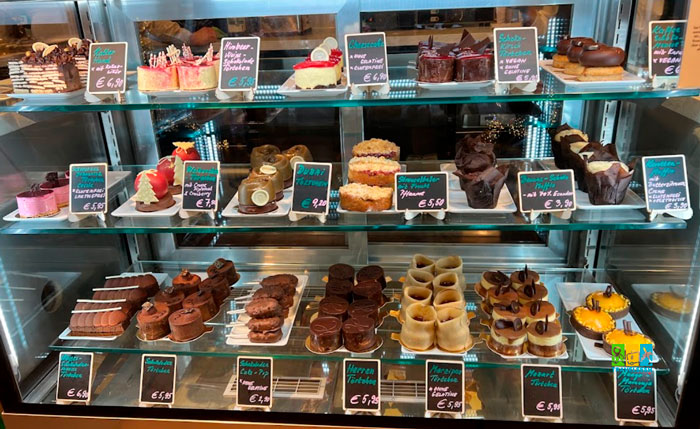
KaDeWe Gourmet Floor on the sixth floor of the KaDeWe shopping mall at Tauentzienstraße 21-24 is a gastronomic paradise featuring delicacies from all over the world. This place is great for a stylish lunch, with an average bill of around €15. It’s the perfect stop after shopping.
Tip: If your budget doesn’t allow for visiting any establishments, we recommend the Risa Chicken restaurant chain, which we personally visited, next to our hotel Upper Room Hotel Kurfürstendamm. This is a great choice for those on a budget, as you can eat delicious chicken, various side dishes and salads both in the cafe itself and to take away.

How to get there
From Germany:
The ICE (InterCity Express) high-speed trains are one of the most convenient and popular ways to get to Berlin. These trains are distinguished by their modern design, comfortable travel conditions and high speed, which significantly reduces travel time. ICE connects Berlin with major cities in Germany, such as Munich, Frankfurt, Düsseldorf, Hamburg, Cologne, Stuttgart, Nuremberg and others.
Travel times vary depending on the departure point. For example, from Hamburg the journey takes about 1.5 hours, from Frankfurt it takes about 4 hours, and from Munich it takes about 6 hours. ICE trains are equipped with everything you need for a comfortable journey: comfortable seats, free Wi-Fi, power outlets next to the seats, luggage space, and special carriages for families with children.
ICE tickets can be purchased in advance online via the platform Deutsche Bahn (DB). If you book early, you can find great deals at a reduced price. The train stations from which ICE trains depart are usually located in the city centers, which makes them much easier to access.

By bus: Regular bus services, including those of FlixBus, provide convenient connections between Polish cities and Berlin. Departures are made from the main train stations of large cities, such as Warsaw, Krakow, Wrocław or Poznań. Travel time from Warsaw to Berlin is approximately 7–8 hours, from Poznań it is about 3–4 hours. It is an economical option with modern buses equipped with Wi-Fi, power outlets and comfortable seats.
By train: EuroCity (EC) trains and regional trains run between Poland and Germany. For example, the route from Warsaw to Berlin takes 5–6 hours, and from Poznań – about 3 hours. Trains depart from the main train stations and arrive at Berlin Hauptbahnhof. This is a comfortable way to travel, especially for those who want to avoid long bus journeys.
By low-cost flight: If you value time, direct flights from Polish cities to Berlin, particularly with Ryanair or Wizz Air, offer a quick way to get to the German capital. The flight takes around 1–1.5 hours, although you should allow for additional time to get to the airport and go through security checks.
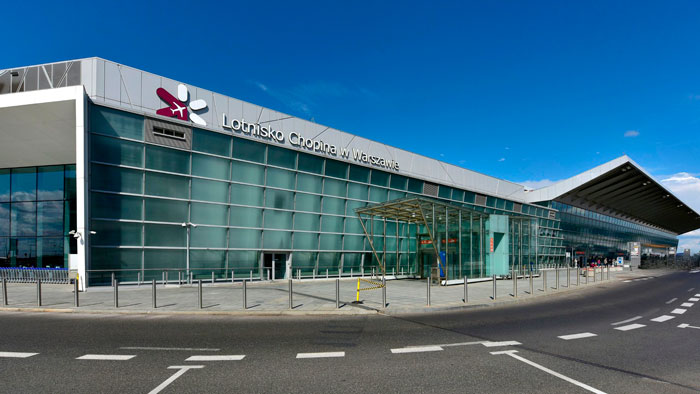
By train: You can travel from Prague to Berlin by ICE (InterCity Express) or EC (EuroCity) trains. The journey takes around 4-5 hours and is a great option for those who want to enjoy comfort and scenic views along the way. The trains depart from Prague Main Station (Praha hlavní nádraží) and arrive at Berlin Main Station (Berlin Hauptbahnhof). Tickets can be purchased online at the Deutsche Bahn website or at the station.
By bus: FlixBus, RegioJet or Eurolines also operate between Prague and Berlin. The journey takes up to 5 hours and the buses usually depart from Prague’s main bus station (Florenc). This is a budget option with amenities such as Wi-Fi, power outlets and comfortable seats.
Low-cost flight: If you value your time, you can take a direct flight from Prague to Berlin. The flight takes about 1 hour, but taking into account the time to get to the airport and going through security, the total duration can increase to 3–4 hours. Low-cost carriers such as Ryanair or Eurowings offer favorable fares.

By bus: One of the most popular and affordable ways to get to Berlin. Bus companies such as FlixBus, Ecolines and others operate flights from Kyiv, Lviv, Uzhgorod and other major cities in Ukraine. Travel time depends on the city of departure. For example, from Lviv the trip takes about 15–18 hours, from Kyiv – about 20–25 hours. Buses usually have comfortable seats, Wi-Fi and power outlets, which makes the trip comfortable, although long.
INFOBUS.eu | Online tickets – Online platforms for selling bus, train, air tickets, availability, promotions. ⇓
By train: An excellent choice for those looking for comfort and a stable schedule. Trains from Ukraine go to Poland, where you can change trains to Berlin. For example, from Kyiv or Lviv you can get to Przemyśl, from where there are direct trains to Berlin. The total travel time with a change is 15–20 hours.
Combined route: By bus or train to Poland (for example, to Warsaw or Krakow). Then by high-speed EuroCity (EC) train or bus to Berlin. This route allows you to make the trip more flexible and visit several European cities along the way.
Tip: When planning a trip to Berlin, make sure to take out travel insurance. This will ensure your safety and peace of mind in case of unforeseen circumstances. You can purchase insurance at this link from the company by choosing the option that meets your needs and budget.

Berlin-Brandenburg Airport (BER)
Berlin is served by the main Berlin-Brandenburg Airport (BER), from which there are several ways to reach the city’s main train station (Berlin Hauptbahnhof).
Train (Regionalbahn and S-Bahn)
The fastest and cheapest option.
- RE7 or RB14 (“Airport Express”) trains:
Travel time: around 30 minutes. Trains run every 20-30 minutes.
Cost: €3.80 for a ticket within the ABC fare zone, €2.70 for children
Stop: Hauptbahnhof (Berlin Hbf). - S-Bahn (S9):
Travel time: around 50 minutes.
The price and stop are similar.
Tip:Tickets can be purchased from the machines on the platform, online on the VBB (Verkehrsverbund Berlin-Brandenburg) website, or in the VBB mobile app. For most tourists, the train (RE7, RB14) is the fastest and most convenient option. Be sure to make sure your ticket includes zone ABC.

Bus (TXL JetExpressBus)
Direct bus route.
- Travel time: about 45-50 minutes (depending on traffic).
- Buses depart regularly, stopping at the main stations in the city center.
- Cost: about €4 for an ABC ticket. Alternatively, you can buy a Berlin Card, Zone ABC: this card includes Potsdam and the airport. Buy a card for the ABC zone
Taxi
The most convenient, but more expensive way.
- Travel time: 30-40 minutes (depending on traffic).
- Cost: €45-50 to Hauptbahnhof.
Tip: It is recommended to use official taxis, which can be ordered online or are available at special stands near the terminal, but they will be more expensive.
Rental car or transfer
The best option for those traveling in a group or with a lot of luggage.
- One-way private transfer from Berlin International Airport to your destination in Berlin.
- Car rental is available directly at the airport.
Our experience Car rentals in Germany
Parking
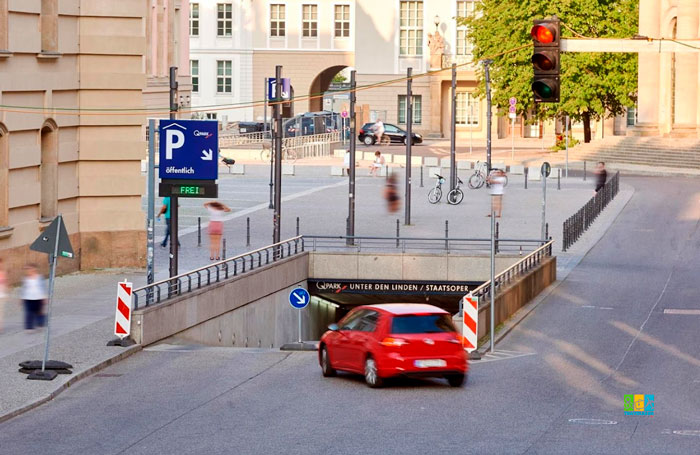
Parking in Berlin is conveniently organized, especially for those arriving by their own or rental car. Underground parking is available in the city center, where the cost usually ranges from €2 to €4 per hour, depending on the location. For long-term parking, it is better to use special parking lots on the outskirts or multi-storey car parks, where daily rates apply.
If you are traveling with a rental car, be sure to check the terms and conditions of the car return, as many companies offer a convenient return service directly at the airports or near the main train stations of the city. It is also worth considering that the city center is an environmental zone (Umweltzone), and the car must have the appropriate green environmental sticker.
Berlin Travel Tips
Plan Ahead: Berlin is a big city with a lot of history, so it’s important to plan your trip in advance, or use ours, to make sure you get to see all the important places. Book tickets to popular museums and attractions online to avoid lines and get easy access to the most popular sites.
Walking through historic districts: Don’t forget to take time to take a leisurely stroll through the city’s old districts, such as Unter den Linden or Kreuzberg. Berlin is revealed through its architecture, streets and atmosphere, and walking tours are the best way to experience its history and culture.
Explore cultural heritage: If you are a culture buff, be sure to visit the museum complexes on Museum Island. Here you will find incredible collections of art, archaeology and history, telling the story of the wealth of world heritage.
Enjoy the gastronomy: Berlin offers a variety of options for every taste: from traditional German cuisine in beer halls to elegant restaurants with international cuisine. We recommend trying Berlin sausages and schnitzel, as well as visiting the legendary chocolate cafes and beer halls.
Be prepared for the weather: As with any European city, Berlin’s weather can be unpredictable, so pack clothes that are suitable for any situation. Check the weather forecast for the day of your visit, especially if you’re planning to visit the TV Tower or other outdoor locations.
Avoid tourist traps: While Berlin has many popular tourist destinations, it’s important to make time for lesser-known but equally interesting places to avoid the big crowds and get a real feel for the city.
When visiting Berlin, you’re sure to discover a mix of history, culture, and modern life that makes this city incredibly diverse and interesting for travelers.
There are no comments for this post. Comment or ask questions first