
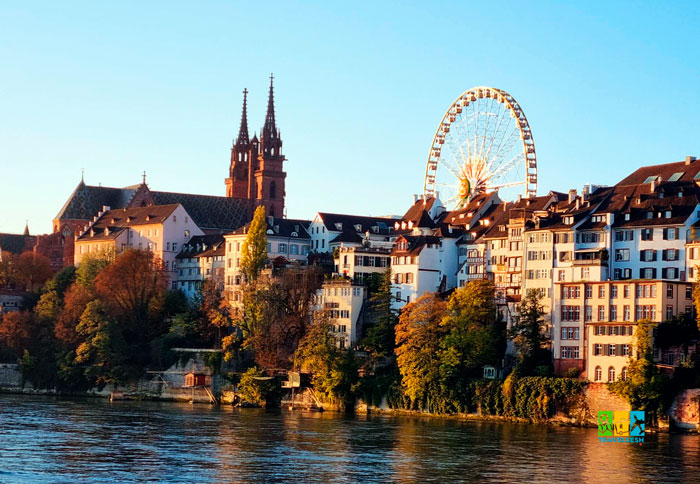
Basel is the third largest city in Switzerland and the capital of the German-speaking half-canton of Basel-Stadt. It is located on the banks of the Rhine River, in a valley between the Jura Mountains and the Black Forest.
Individual transfer from/to the airport.
Tickets online – fly cheaper – look for flights marked with an offer.
City tours ordered here.
Basel has almost 40 museums throughout the canton and a wide range of cultural events, making it one of the largest cultural centers in Europe. In May 2025, Basel will host the Eurovision Song Contest 2025, following the victory of Nemo in 2024. The venue for the contest was the St. Jakobshalle.

Residence
Basel offers a wide range of accommodation options, from budget hotels to luxury residences overlooking the Rhine. Below is a selection of our tested options by category:
Economy (up to 100 CHF/night)
Ibis Budget Basel City– Modern budget hotel with basic amenities. Conveniently located near the train station. Ideal for a short stopover or transit.
Pros: low price, clean, free Wi-Fi.

Mid-range (100–200 CHF/night)
Hotel Spalentor Basel – Comfortable hotel near the historic Spalentor gate. Includes a fitness room and free bicycles. Advantages: location near the Old Town, quiet, friendly staff.
Hotel Krafft Basel – Historic hotel with elegant interiors and views of the Rhine. Has its own restaurant and wine bar. Advantages: great view of the river, stylish atmosphere, walking distance to the center.

Grand Hotel Les Trois Rois – One of the most luxurious hotels in Europe. Located right on the banks of the Rhine. Napoleon, Picasso and other celebrities stayed here. Advantages: historical luxury, impeccable service, gastronomic restaurant.
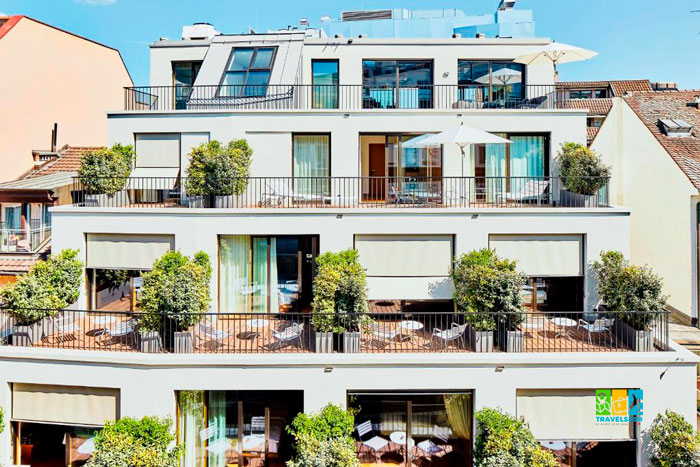
ART HOUSE Basel – A modern boutique hotel with an artistic accent. Panoramic bar, designer interiors and an atmosphere of creativity. Advantages: unique style, rooftop bar, proximity to museums.
What to see in the city
The Rhine divides the city and its historic center into two parts: Greater Basel Gross Basel on the left bank and Little Basel Klein Basel on the right.
Greater Basel Gross Basel
In Greater Basel on the Rhine is located:
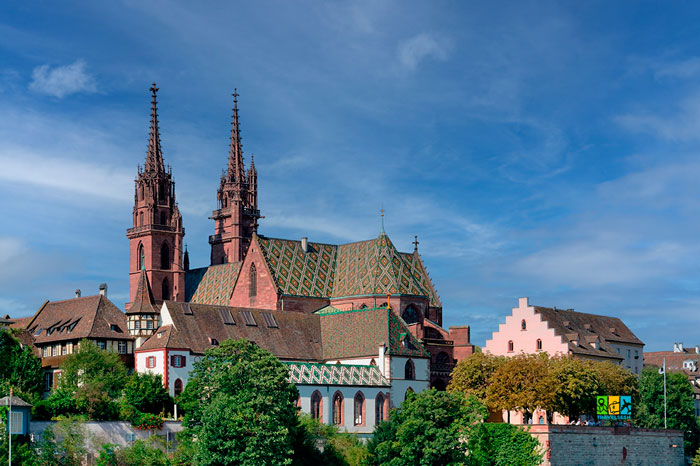
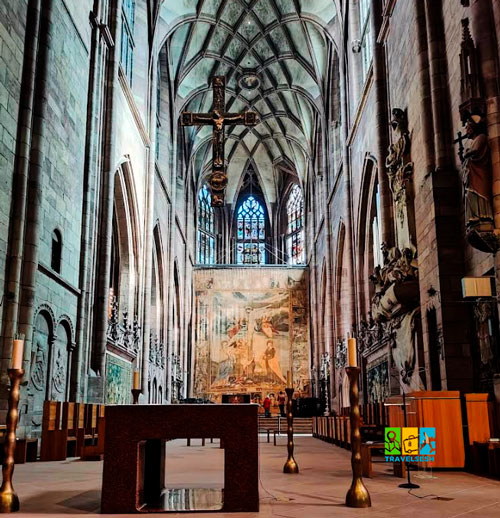
Cathedral (Basler Münster)
A majestic Gothic building from 1019-1500 with magnificent views of the city from its towers. The tower can be visited during working hours in groups of 2 or more, groups of 6 or more by prior arrangement.
Ticket prices:Single ticket CHF 6. Students, pupils, groups of 6 or more: CHF 4. Children under 14: free. Free admission for people with disabilities and refugees.
Opening hours (more details on the cathedral website):Summer time Mon-Fri: 10:00–17:00. Sat: 10:00–16:00. Sun and holidays: 11:30*–17:00. Winter timeMon-Fri: 11:00–16:00. Sun and holidays. 11:30*–16:00.
Münsterplatz (Münsterplatz)
A cozy square in front of the cathedral, ideal for a leisurely stroll or a cup of coffee. The city center used to be surrounded by walls, but in 1859 the city walls were dismantled to increase space and improve hygiene in the city. Three gates and a small fragment of the outer wall have survived, and today they are landmarks of Basel and a heritage site of national importance.
Spalentor (Spalentor)
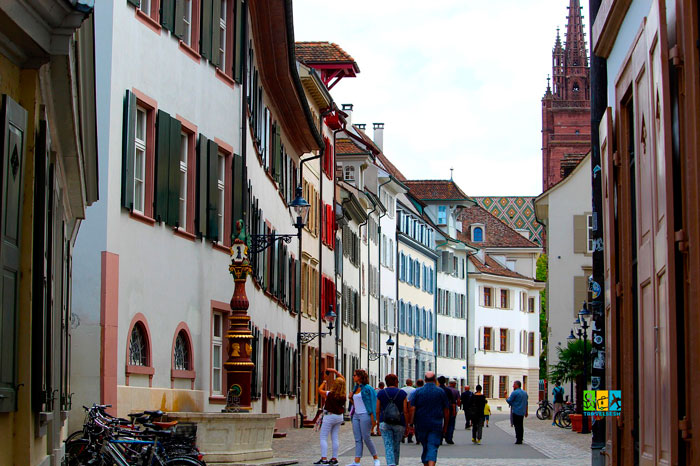
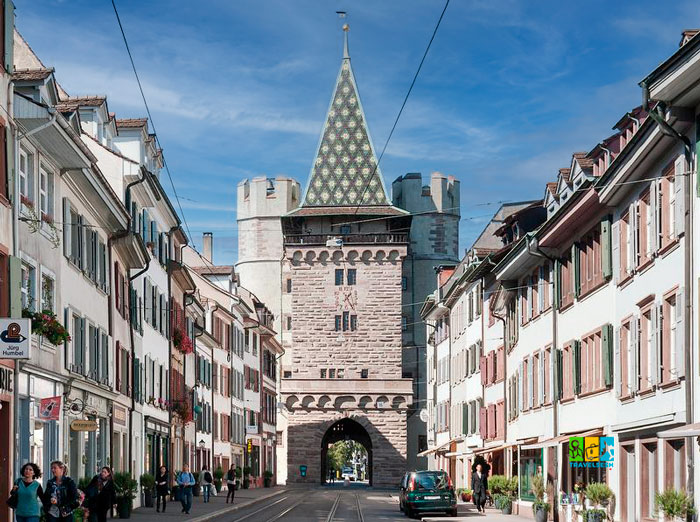
The impressive medieval gate was built between 1387 and 1398 and is a symbol of the city. On the inside of the gate hangs one of Basel’s six historic mailboxes from 1844, with the image of the legendary Basel dove, the Basler Taube. The mailbox is still used by the townspeople for its intended purpose.
St. Alban Tor (St. Alban-Tor)
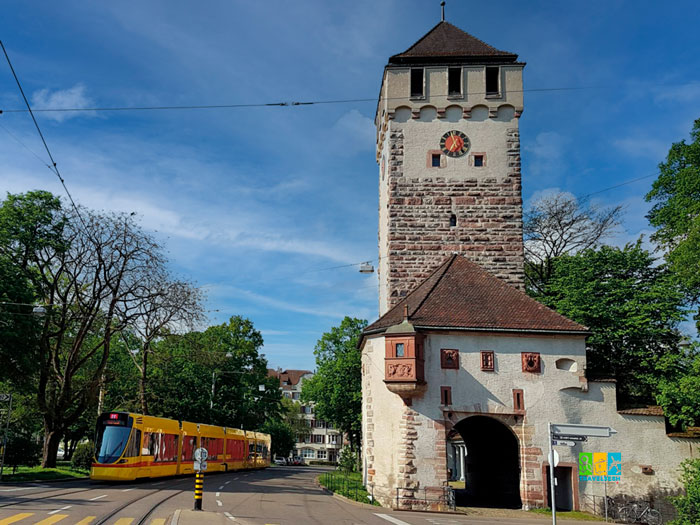
The gate was first mentioned in 1230. It was partially destroyed by an earthquake in 1356, but was rebuilt by 1374. In 1975, a restoration was carried out, which allowed the gate to largely restore its authentic appearance.

St. Johannstor (St.-Johanns-Tor)
The tower was built between 1367 and 1375. Today, the city gate is the headquarters of the Basel police.
Tingi Fountain (Tinguely-Brunnen)
Also known as the Carnival Fountain, it was built between 1975 and 1977. The dynamic sculptures by Jean Tinguely in the middle of Theater Square move in the water.
Art Museum (Kunstmuseum Basel)
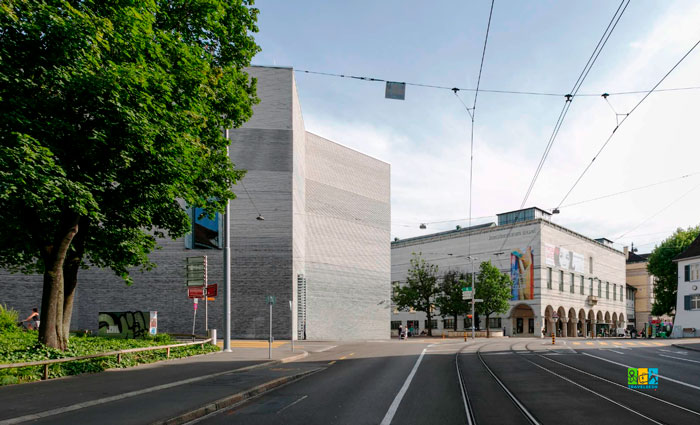
One of the most important art galleries in Switzerland with a collection from the 15th century to the present day. The museum was formed on the basis of the art collection of the B. Amerbach family (1533–159) and currently has over 300,000 exhibits – paintings, sketches and graphics, sculptures, installations and videos.
Ticket prices: range from 12 to 30 CHF depending on the age category and number of people.
You can visit the exhibition for free: Tue, Thu, Fri: 5:00 PM to 6:00 PM. Wed: 5:00 PM to 8:00 PM. First Sunday of the month, except holidays.
Opening hours: Tue, Thu–Sat. 10 AM–6 PM. Wed. 10 AM–8 PM. Mon. closed.
Basel History Museum (Historisches Museum Basel)
The collection includes over 25,000 items, which have been collected since the first third of the 16th century. The exhibits are presented in three buildings:
The History Museum in the Barfüsserkirche (Barfüsserkirche) operates in a Franciscan Gothic church from the late 13th century. The basis of the modern exhibition is the collection of medieval objects from the outbuildings of Basel Cathedral. The museum exhibits highlight everyday life, history and culture of the city of Basel and the Upper Rhine region from the Middle Ages to the Renaissance
and Baroque.
Opening hours: Tue.-Sun. 10 a.m.–5 p.m. Closed on May 1, December 24 and 25.
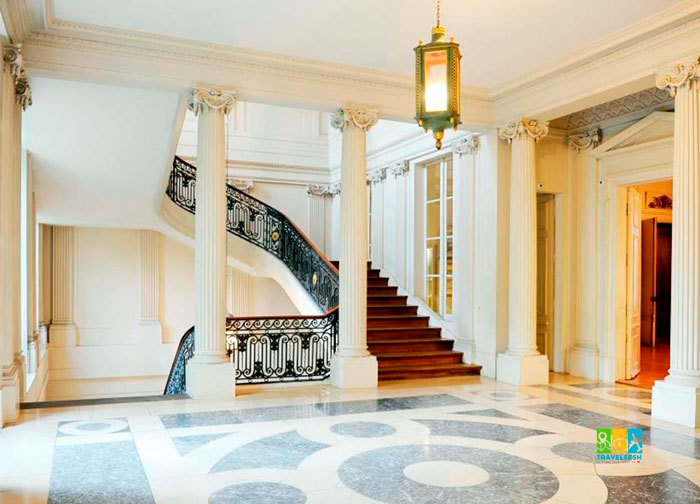
The Museum of Home Decorin the 18th century palace is called “The House at the Cherry Orchard” (Das Haus zum Kirschgarten). It is housed in the former residence of the silk ribbon manufacturer Johann Rudolf Burkhard, which the merchant’s descendants bequeathed to the city in 1923. The exhibition features tapestries, portraits, furniture, toys and dollhouses from the 15th–21st centuries.
Opening hours: Wed.-Sun. 11–17. May 1, 24, 25 December – closed.
The Music Museum is located in the former city prison, and has been operating as a museum since 2000. The collection includes 3,000 exhibits (15–20 centuries). The museum has a large hall for educational seminars, musical performances and other events. Visitors are allowed to play various musical instruments.
Opening hours: Wed.-Sun. 11–17. May 1, 24, 25 December – closed.
Ticket prices: range from 12 to 18 CHF depending on the age category and number of people.
Useful: 1 Ticket – 3 Museums -7 Days – Please note that with one ticket you can visit three museums within seven days.
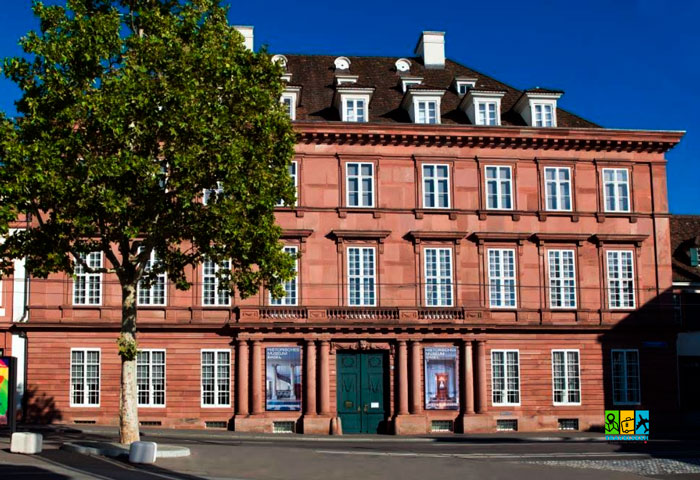
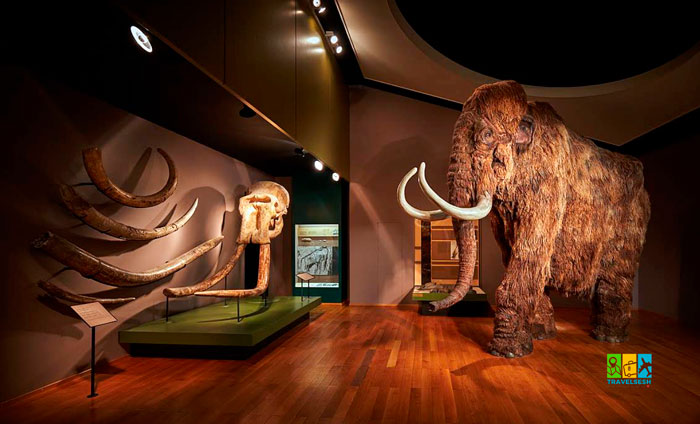
Natural History Museum (Naturhistorisches Museum Basel)
It was established as a natural history collection in 1821. The exhibition has over 11 million objects in the fields of zoology, entomology, mineralogy, anthropology, osteology and paleontology.
Ticket prices for the permanent exhibition: Adult: CHF 7. Youth (up to 20 years): CHF 5. Students (up to 30 years): CHF 5. Children (up to 13 years): free. Last hour of the museum, Tue – Sat: free. First Sunday of the month: free.
Opening hours: Tue – Sun. 10 am – 5 pm. Mon. Closed. Open on all public holidays except December 24 and the Basel Carnival.
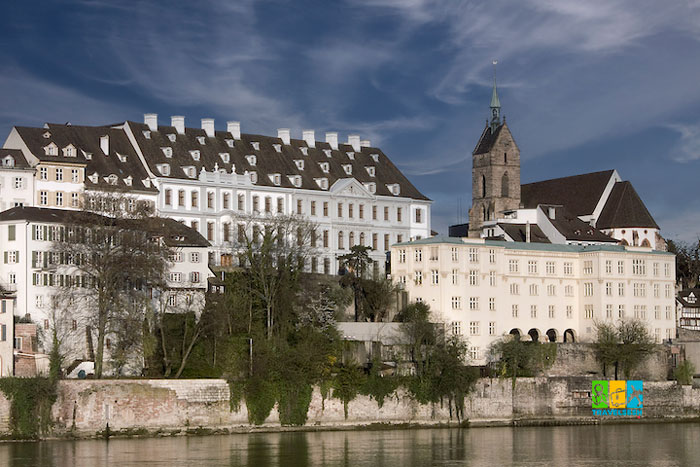
University of Basel (University of Basel)
The oldest university in Switzerland. The official opening ceremony took place on April 4, 1460 in the Basel Cathedral. The place of activity of Erasmus of Rotterdam or Paracelsus, as well as one of the birthplaces of European humanism. As of 2023, the university has the largest library in Switzerland: the fund includes 7.5 million printed and electronic publications. The Academic Ranking of World Universities in 2025 placed the University of Basel in 131st position.
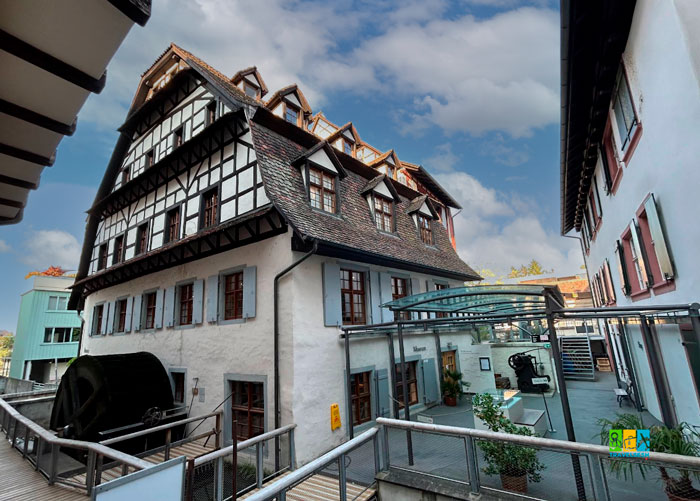
Basel Paper Mill
or the Swiss Museum of Paper, Type and Printing
(Basler Papiermühle – Schweizerisches Museum für Papier, Schrift und Druck)
The Basel Paper Mill, founded in 1453, has been a museum since 1980. Housed in a restored paper mill and 15th-century building, the museum showcases papermaking techniques and old printing equipment, which visitors can try out in action. The museum hosts thematic exhibitions and has a science laboratory.
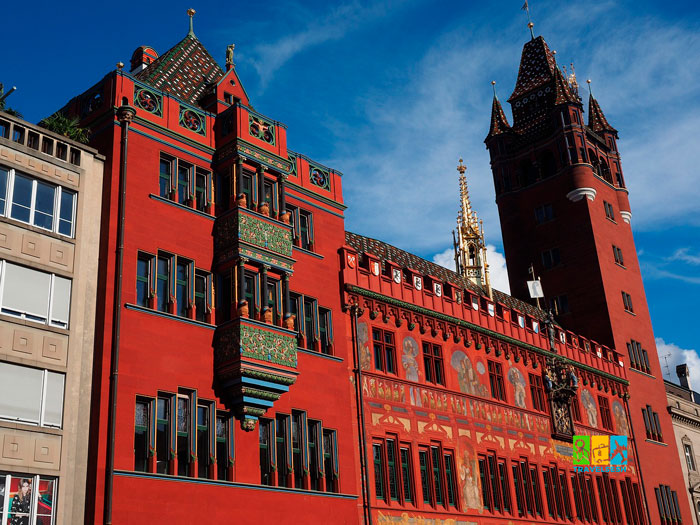
Town Hall (Basler Rathaus)
The current town hall was built in 1290, destroyed in an earthquake in 1356. The building in its current form was built when Basel joined the Swiss Confederation in 1501. In the courtyard is a statue of Consul Lucius Munatius Planck, the founder of Basel. The town hall now houses the legislative and executive branches of the canton of Basel-Stadt, as well as the city hall.
Tourists are offered a 30-minute tour of the representative chambers of the parliament and the government council, a story about the political history and current situation of the city canton.
Entrance: Free.
Opening hours: Mon.–Fri. 8 a.m.–5 p.m. Sat.–Sun. – closed.
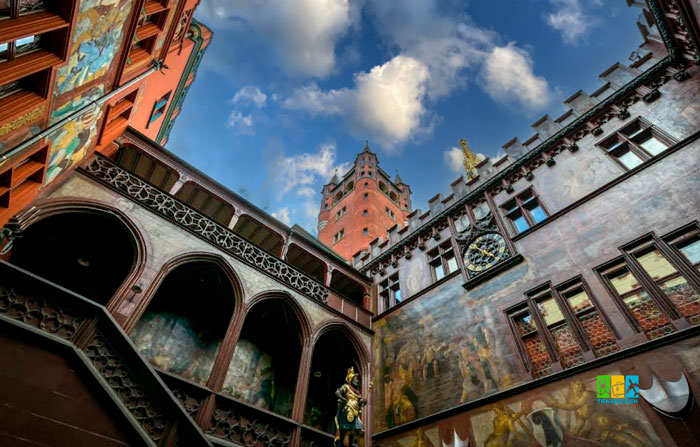
Café Spitz Built from 1838 to 1840 according to the plan of Amadeus Merian. Today the building is part of hotel Merian and is still used as a restaurant for honorary societies.

The Kleines Klingental Museum is located in the medieval building of a former Dominican monastery. The museum’s exhibition is dedicated to the history of the city, Basel Cathedral, and the monastery.
Ticket price: CHF 8.-/ 5.
Opening hours: Wed., Sat. 2–5 p.m. Sun. 10 a.m.–5 p.m. Mon-Tue, Thu-Fri: closed.
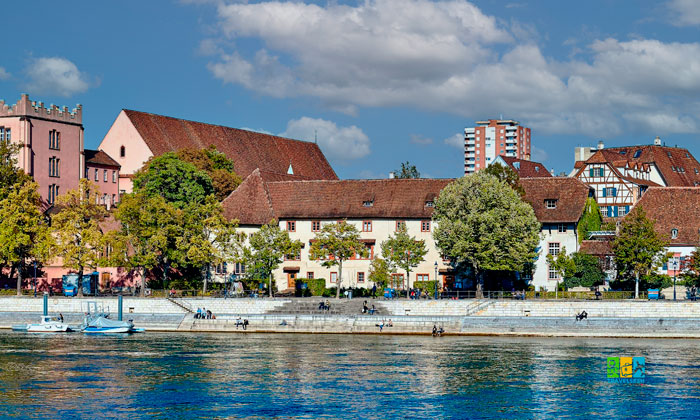
St. Clare’s Roman Catholic Church (Clarakirche)
The church was founded in the 1270s on the site of a former monastery. It is one of the oldest sacred sites in the city, preserving the spirit of the medieval era.
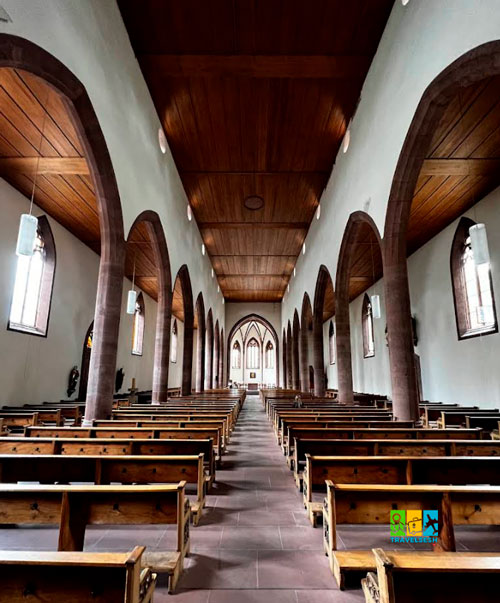
St. Theodore’s Protestant Reformed Church (Theodorskirche).
The first mention of the church dates back to 1084. It belonged to the monastery of St. Alban from the 11th century. It was significantly damaged and rebuilt after the earthquake of 1356.
Entertainment for adults and children
Зоопарк Базель (Zoo Basel)
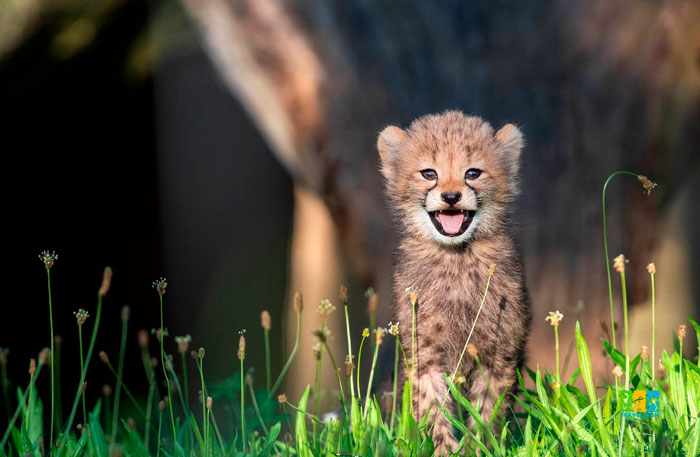
One of the oldest and most famous zoos in Switzerland. The inhabitants of Basel affectionately call it Zolli.
Basel Zoo is the oldest (1874) and largest zoo in Switzerland in terms of the number of animals. The zoo has over 500 species of animals from all seven continents. Basel Zoo was recognized as one of the fifteen best zoos in the world and the seventh best in Europe according to Anthony Sheridan of the Zoological Society of London. As of 2020, the zoo is involved in over 40 programs to preserve species that are in danger of extinction.
Basel Zoo is open 365 days a year: January to February 8:00 to 17:30. March to April 8:00 to 18:00. May to August 8:00 to 18:30. September to October 8:00 to 18:00. November to December 8:00 to 17:30. The animal houses close 10 minutes before closing, and the ticket offices close half an hour before.
Ticket prices range from 5.50 to 22 CHF depending on the age category and number of people.
Toy Museum (Spielzeug Welten Museum Basel)
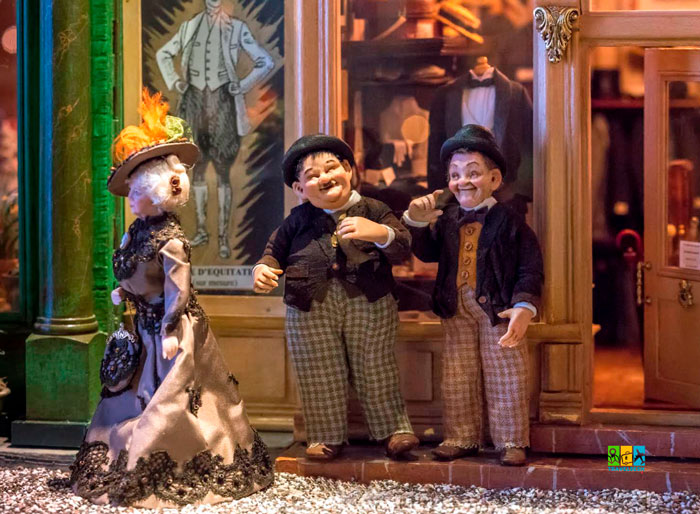
An impressive collection of 6,000 different toys and dollhouses is housed in an area of 1,000 m². The museum also houses the world’s largest collection of teddy bears.
Opening hours: Tue-Sun – 10:00 – 18:00. Mon – closed. Open daily in December.
Ticket prices: Regular CHF 7. Concession CHF 5. Children and youth under 16 free.
Ticket prices range from 15 to 40 CHF, depending on the number of sites visited.
Uferweg along the Rhine – A beautiful promenade where everyone swims or simply floats downstream with bags of “Wickelfisch” in the summer
Rhine Boat Tours
A great way to see the city from a different perspective, as well as enjoy the Swiss and German banks of the Rhine, passing through the locks of Birsfelden and Augst.
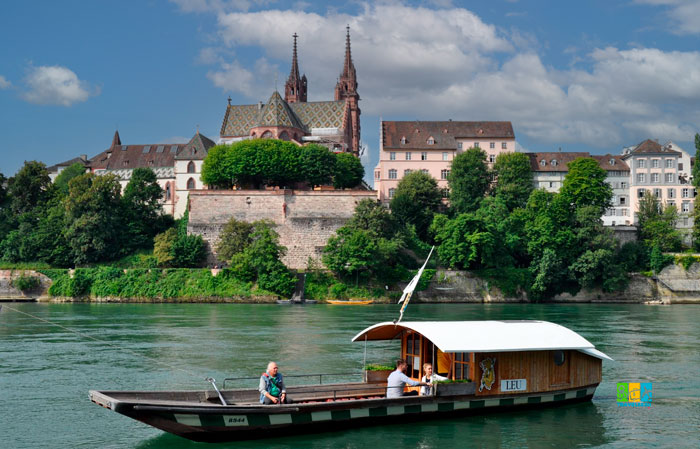
Be sure to cross the Rhine on a Fähri – a traditional transport without a motor, which simply uses the power of the current.
Parks
Park im Grünen (Grün 80), Münchenstein (on the outskirts, but easily accessible by tram). This is a huge landscaped park with a lake, flower gardens, picnic areas and a children’s playground. There is also the Dinosaur Museum (Merian Gärten) – fascinating for both adults and children.
Ideal for: family holidays, photo shoots, running, romantic walks.
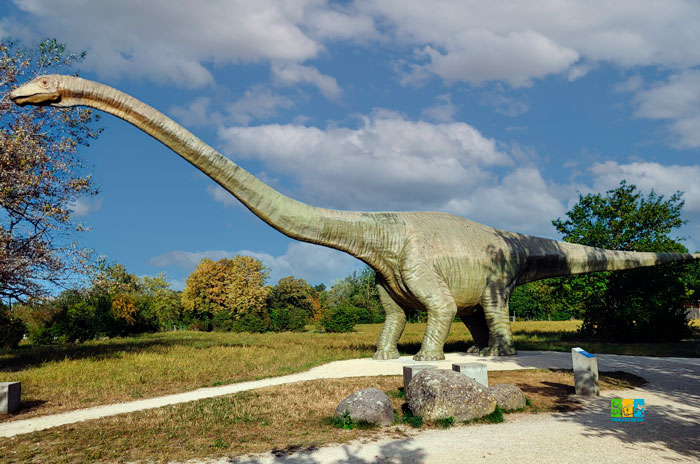
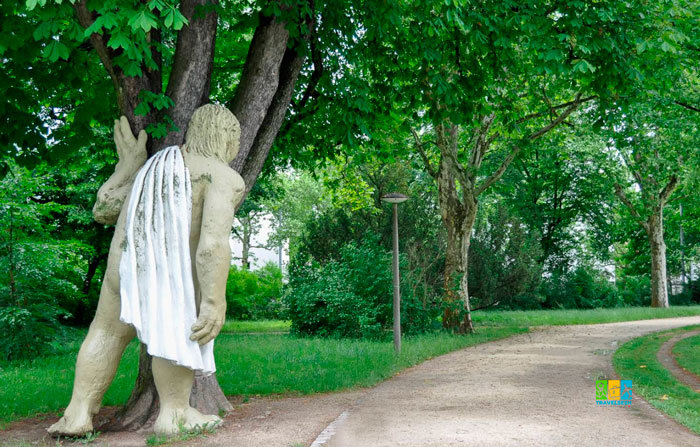
Ideal for: nature, silence, inspiration.
Lange Erlen (Tierpark Lange Erlen).Kleinbasel, in the northeast. It’s a real nature reserve with a small zoo, where there are roe deer, pigs, ducks – all free! There’s also a river and forest trails.
Ideal for: cycling, with children or animals.
Kannenfeldpark. Grossbasel, near the train station. It is a symmetrical, well-kept park with fountains, gardens, tennis courts and a BBQ area. One of the largest in the city!
Ideal for: sports, meeting friends, picnics.
BaselCard
1. Free public transport
You can travel unlimitedly on trams and buses within the city (TNW zones 10, 11, 13) during your entire stay in Basel. Also includes a transfer from/to EuroAirport Basel-Mulhouse (within the Swiss side).
2. 50% discount on many museums and attractions
3. -30% or -50% discount on Rhine walks and excursions – Rhine cruises, bike tours, guided city tours.
4. Free Wi-Fi in the city, museums and public transport.
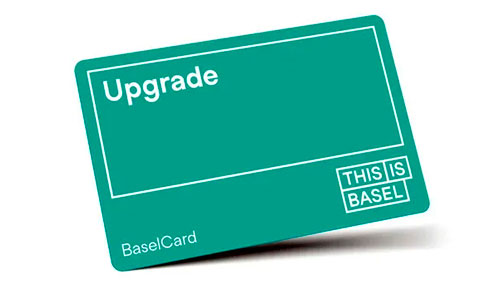
How to get a BaselCard?
It is automatically issued at the reception when you check in to a hotel, apartment or hostel in Basel.
It can also be obtained electronically – some hotels send it to you before arrival.
It is valid for the entire stay (date of arrival + date of departure).
Bonus trick:
You can get to the hotel for free from the train station or airport before checking in by showing your booking confirmation (there is often a QR code or mention of BaselCard – that’s enough).
Popular restaurants and cafes
Cozy cafes and breakfasts (ідеально для slow morning):
Café Frühling (Kleinbasel) – A modern coffee shop with a minimalist design, known for its specialty coffee. Breakfasts are great – avocado toast, granola, homemade pastries.
Bäckerei Kult (Grossbasel) – A cult bakery! They restored an old 19th century bakery. The pastries, croissants, and sandwiches are simply delicious. The atmosphere is like something out of a movie!
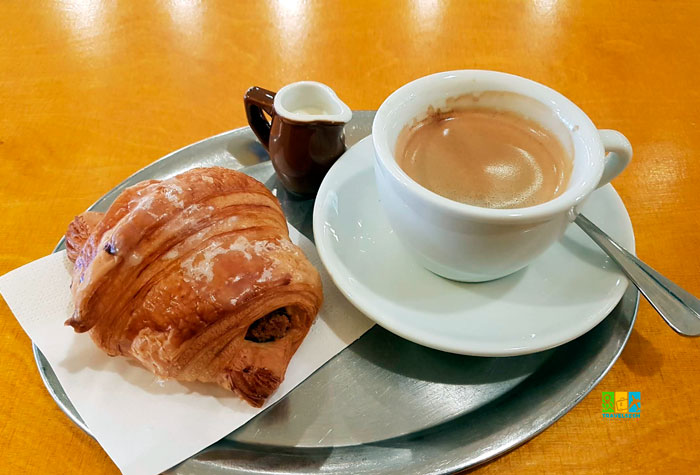
Hejkoh Café (Kleinbasel) – A stylish place with vegetarian/vegan food, lots of space, bright and very photogenic.
Restaurants with Swiss cuisine (to try something “local”):
Walliser Kanne (center) – Traditional cuisine of the canton of Valais: fondue, raclette, various alpine dishes. Very atmospheric, warm lighting, wooden decoration.
Kunsthalle Restaurant (near Kunstmuseum) – A famous place where local artists and gallery owners often dine. Classic Swiss food with an emphasis on seasonal products.
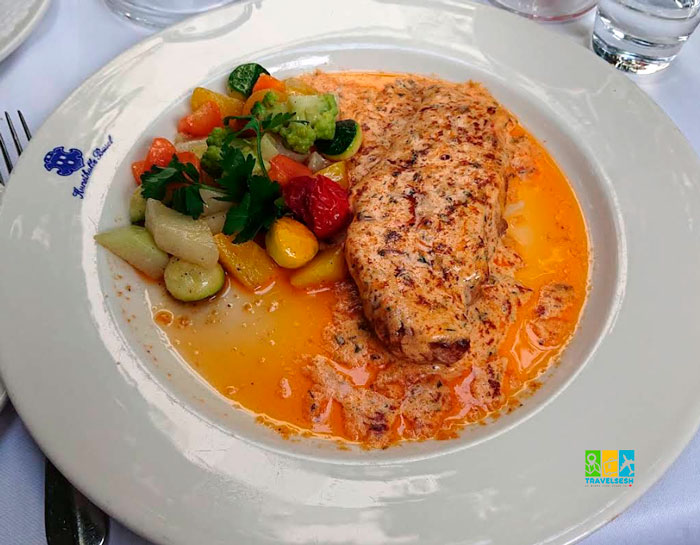
Zum Isaak (on Münsterplatz) – Restaurant with a terrace right on the historic square. It serves both traditional Swiss and European dishes. A great place in good weather.
Markthalle: An indoor market with various stalls where you can try dishes from different cuisines of the world.
Features of public transport in Basel
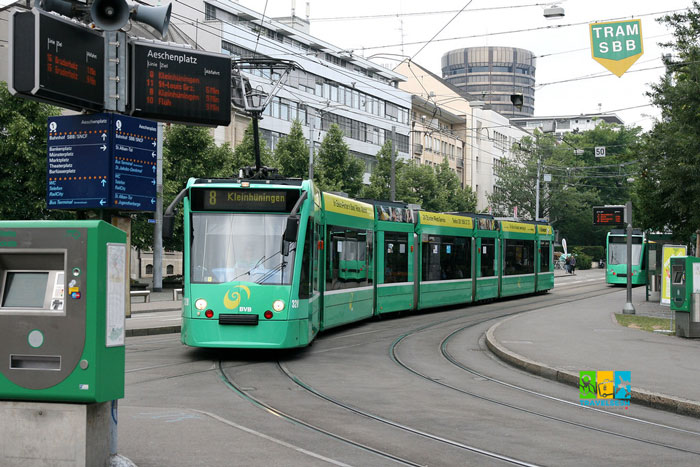
Basel’s public transport is one of the best and most convenient in Europe.
Integrated system: The entire public transport network in Basel (trams, buses) is combined into a single fare system. One ticket is valid for all modes of transport within a certain zone.
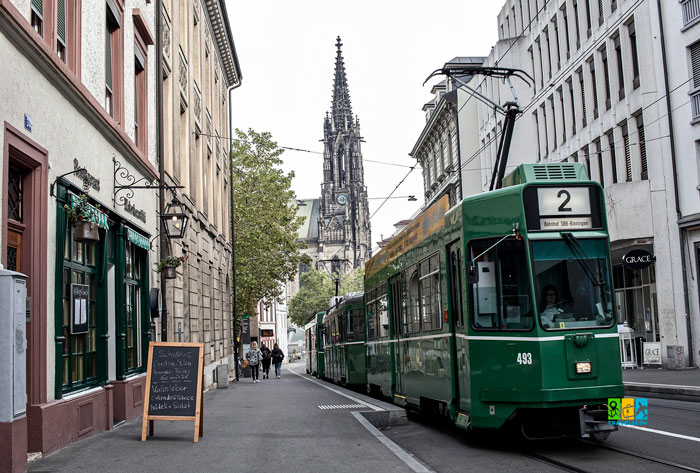
Night routes (Nachtnetz): Special night buses and trams run on weekends and public holidays, making it easy to get home after a night out. Usually, an additional ticket or surcharge is required to use night routes.
Zones and fares: The city and its surroundings are divided into fare zones. The cost of the ticket depends on the number of zones you cross. For short trips, there are special short-term tickets.
Tickets: Tickets can be purchased from vending machines (user instructions) at stops, online via the BVB (Basler Verkehrs-Betriebe) mobile app, or at some kiosks. It is recommended to purchase a ticket before boarding the transport.
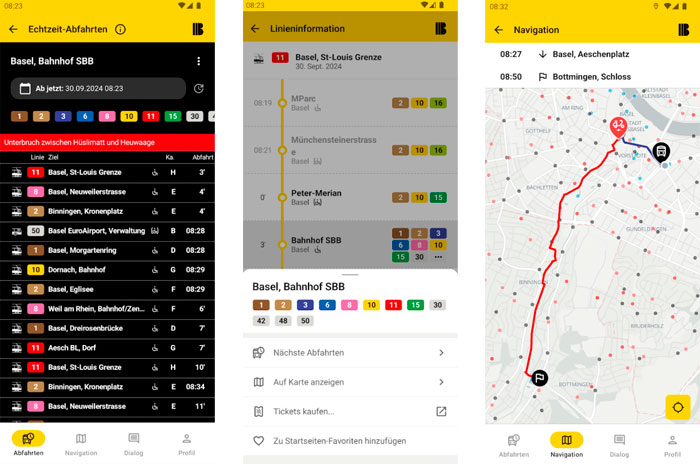
The Basel Go! app (Google Pay, Apple Store). Real-time departures, route planning including e-bike rental, obstacle reports and a live chat feature.
Parking
Parking in Basel can be quite difficult, especially in the city center and popular tourist areas. Parking prices are usually high.
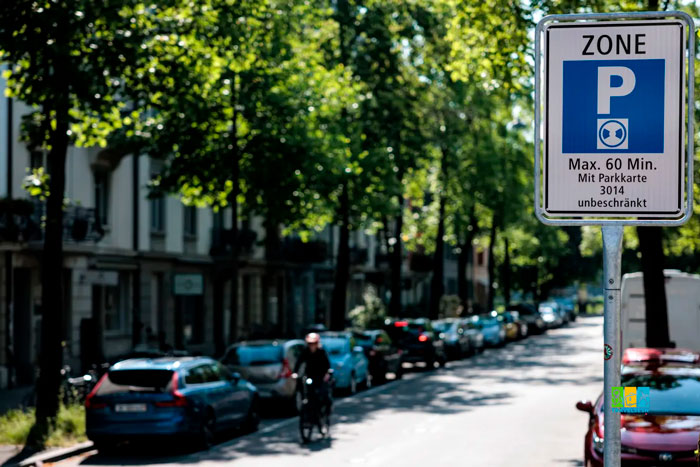
Street parking (blue zone / “blaue Zone”)
Primarily intended for residents, but temporary guests can also park there with a parking permit (Tagesparkkarte).
Validity hours: weekdays 08:00–19:00 (free at other times!) Maximum 1 hour if you don’t have a permit.
Price of a permit (Tagesparkkarte):Can be purchased online or at the police (or even some hotels).
This is NOT a convenient option for long-term parking.
Paid public parking lots / underground parking lots (Parkhäuser)
Most are in the center, near shopping areas, museums, and the train station. For example:
Parkhaus Elisabethen. Center, near theaters ~CHF 2.50/hour
Parkhaus City. Old town ~CHF 3–4/hour
Parkhaus Messe. Near the exhibition center ~CHF 1.50–2.50/hour
Parkhaus Bahnhof SBB. Near the train station ~CHF 2.50–3/hour
Most parking lots have an electronic scoreboard that shows the number of free spaces — very convenient!

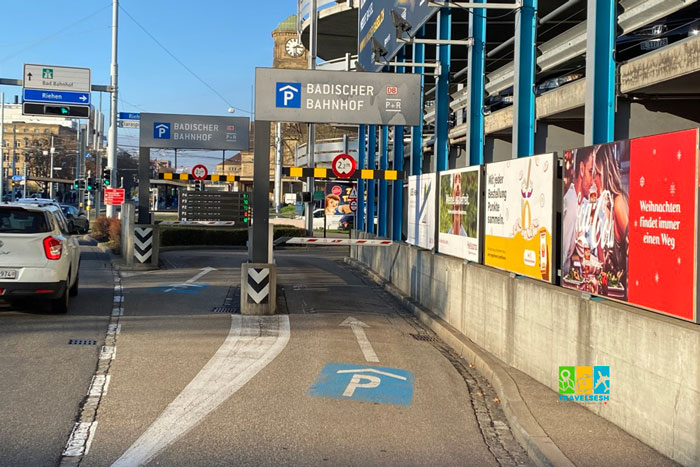
P+R (Park & Ride) — The best solution!
This is an option when you leave your car outside the center and then go to the city by tram or bus.
P+R Basel Badischer Bahnhof — convenient if you are coming from Germany
P+R St. Jakob — next to the stadium, has good connections
P+R prices: CHF 12–16 per day (sometimes includes a public transport ticket!)
How to get to Basel
Basel is located at the junction of Switzerland, France and Germany, so it has excellent transport connections with both Ukraine and most European cities.
From Ukraine
By plane
Direct flights from Ukraine (for example, from Kyiv or Lviv) to Basel are currently not operated, but you can fly with a transfer (for example, in Vienna, Warsaw, Istanbul or Munich).
The EuroAirport Basel–Mulhouse–Freiburg (BSL/MLH/EAP) airport serves three countries at once — Switzerland, France and Germany. From the airport to the center of Basel – about 20 minutes by bus.
By train + bus
From Ukraine it is convenient to go to Basel via Poland, the Czech Republic, Austria or Germany:
Most routes include transfers, but the connection is well-established.
By bus
International buses (Ecolines, FlixBus, Eurobus) run regularly from Kyiv, Lviv, Uzhgorod to Switzerland (mostly with a transfer in Germany or Austria). It is usually more convenient to get to Zurich or Munich, and from there to Basel.

From other European cities
By train:
– Zurich → Basel – 1 hour (every hour)
– Bern → Basel – 1 hour
– Paris → Basel – 3 hours by TGV
– Freiburg (Germany) → Basel – 45 min
– Milan → Basel – ~4–5 hours with a transfer
FlixBus and others:
Regular buses from the cities: Munich (5–6 hours), Strasbourg (2–3 hours), Zurich (1.5 hours), Frankfurt (5 hours).
By plane: Low-cost airlines (WizzAir, easyJet, Ryanair) fly to Basel Airport from dozens of European cities. This is one of the most budget-friendly ways to get to the city, especially from Germany, Italy, Poland or Spain.
Tip: From Basel Airport, it’s easy to get to the city by bus number 50 to the SBB station. Also, from any train or plane you will be given a BaselCard, which includes free travel on city transport.
Things to do near Basel
Of course, here are some interesting places to visit near Basel:
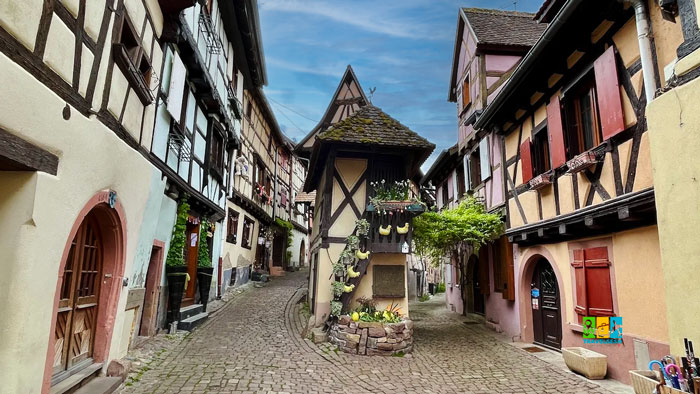
Colmar (France) – 45 min by train/car
A real gingerbread house fairy tale — colorful facades, canals, Little Venice. Perfect for a romantic walk, photo shoot or a glass of wine in the shade of half-timbered houses.
Must see: Old town, Unterlinden Museum, Little Venice district.
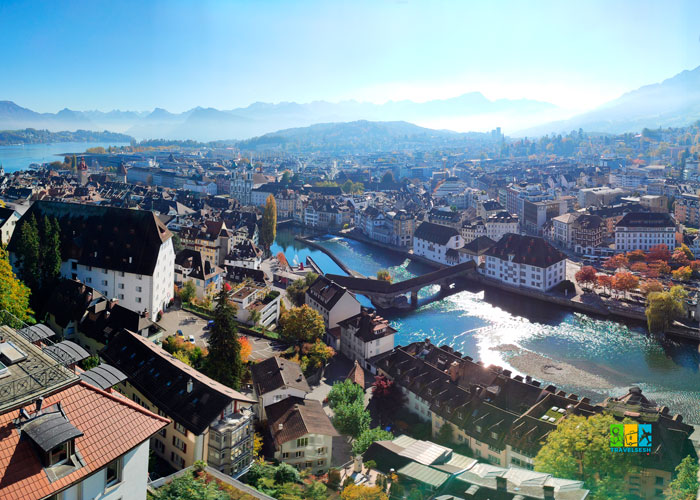
Lucerne (Switzerland) – 1 hour by train
Lake, mountains, medieval bridge, towers and a panorama of the Alps — what else do you need for happiness?
Must see: Kapellbrücke (roofed bridge), lakeside walk, Mount Pilatus or Rigi, Transport Museum.
Reichenbach Falls and Interlaken (Reichenbachfall, BE) – 1 hour 10 minutes
A little over an hour, but worth it! This is where, according to legend, Sherlock Holmes met Moriarty. Very picturesque, you can also drop by the mountain lake of Brienz.
Alsace Wine Route – 30–60 min
The Alsace region is famous for its white wines (especially Riesling). You can drive through the villages: Eguisheim, Riquewihr, Ribeauvillé. Very atmospheric, each village looks like it’s from a postcard. There are often festivals!
Mount Weilspitze / Belchen (Black Forest, Germany) – 1 hour
This is Germany, but very close! Hiking trails, panoramas of the Black Forest, alpine huts. If you love nature, this is it.
Augusta Raurica (Augusta Raurica) – 20 minutes from Basel
Ancient Roman city! There is a theater, ruins, a museum and even a Roman bakery. Suitable for history buffs or families with children.
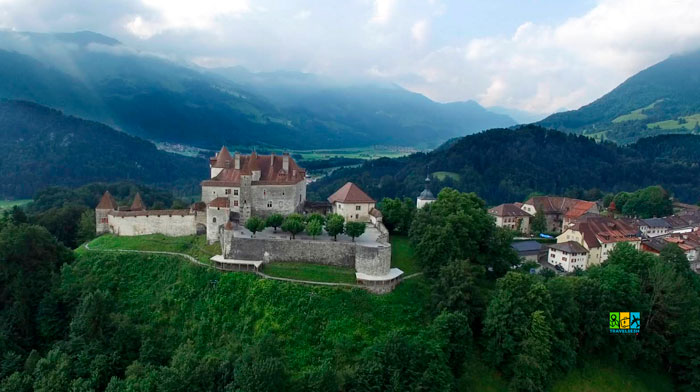
Gruyères (Gruyères) – a little further (~1.5 hours), but if you have time, a must-visit!
The cheese capital of Switzerland + castle + museum of G. R. Giger (author of “Alien”). Very colorful!
Bern, Switzerland: (about 1 hour drive) The capital of Switzerland with a well-preserved medieval old town, which is a UNESCO World Heritage Site.
Zermatt, Switzerland: (further than previous options) A famous ski resort at the foot of the Matterhorn. A car-free city with wonderful views.
Triberg, Germany: (about 1.5 hours drive) Famous for its waterfalls and zozule clock workshops.
Freiburg im Breisgau, Germany: (about 1 hour drive) A university city with a historic center and picturesque canals.
Where to stay
There are no comments for this post. Comment or ask questions first